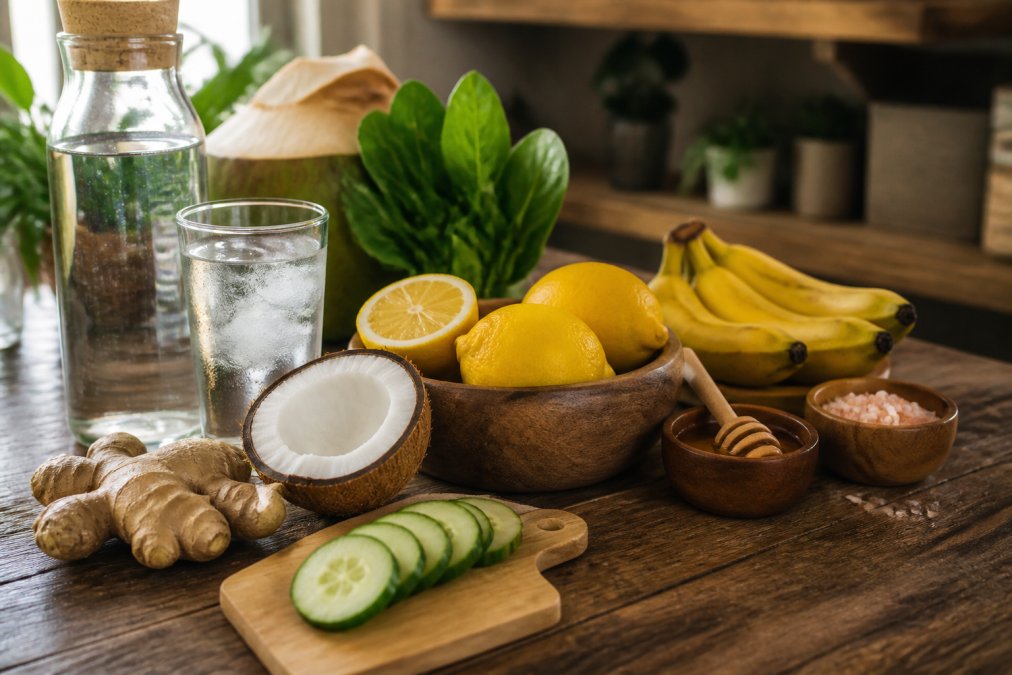
 listicle
Natural Alternatives to Synthetic Electrolyte Drinks
Table of Contents
- Why Synthetic Electrolyte Drinks Fall Short
- What Natural Electrolytes Do for Your Body
- Choosing a Plant Based Electrolyte Powder
- Electrolytes Without Sucralose: What to Look For
- How to Make Homemade Electrolyte Drinks
- Natural Sources of Sodium, Potassium, and Magnesium
- Hydration for Kids and Endurance Athletes
- Conclusion
- Frequently Asked Questions
Last Updated: September 14, 2026
Why Synthetic Electrolyte Drinks Fall Short
Walk down any sports drink aisle and you'll see a wall of neon colors and bold claims. Look closer at the labels, though, and a different picture emerges. Many conventional electrolyte drinks rely on artificial dyes, synthetic sweeteners like sucralose, and mineral forms your body has to work harder to absorb. This guide from Hydrate Heroes breaks down what's actually in those bottles and how natural alternatives to synthetic electrolyte drinks can replenish you without the additives. Shifting away from these processed concoctions encourages a more sustainable approach to daily vitality, which is why exploring natural energy drink alternatives remains essential for maintaining focus during long study sessions.
The most common complaint isn't taste. It's the label. A typical sports drink pairs sodium and potassium with high-fructose corn syrup or artificial sweeteners, plus dyes like Red 40 and Yellow 5. For anyone managing blood sugar, gut health, or a child's diet, that combination raises real questions. Below, we'll show you exactly how to read a label, build a homemade drink, and choose a plant based electrolyte powder that skips the junk.
What Natural Electrolytes Do for Your Body
Electrolytes are charged minerals, chiefly sodium, potassium, magnesium, calcium, and phosphorus, that regulate fluid balance, muscle contractions, and nerve signaling. When you sweat, you lose them, and plain water alone can't replace what's lost.
Sodium maintains fluid balance outside your cells, while potassium does the same inside them. Magnesium supports muscle relaxation and helps prevent cramps. According to the National Institutes of Health Office of Dietary Supplements, these minerals work together, and an imbalance in any one can trigger fatigue, headaches, or muscle cramps.
The practical takeaway: rehydration isn't just about water volume. It's about restoring the mineral ratio your body lost. That's why a pinch of sea salt in water can outperform a plain glass when you're depleted.
Choosing a Plant Based Electrolyte Powder
A plant based electrolyte powder draws its minerals from plant sources rather than synthetic mineral blends, and the best ones list every ingredient without hiding behind "natural flavors."
Here's what separates a quality powder from a marketing label:
- Mineral source: Look for sea salt, coconut water powder, or mineral citrates rather than lab-made sodium chloride.
- Sweeteners: Stevia and monk fruit are plant-derived. Sucralose and erythritol are not, and both have drawn scrutiny for gut effects.
- Sodium level: A "balanced" claim means little without a number. Check the actual milligrams per serving.
- Absorbability: Citrate forms tend to be easier on the stomach than some synthetic alternatives.
This is where most shoppers get stuck. The label says "clean," but the ingredient list tells a different story. Read the panel, not the front of the tub.
Electrolytes Without Sucralose: What to Look For
Electrolytes without sucralose avoid the artificial sweetener entirely, which matters if you're watching your gut microbiome or following a strict keto or paleo plan.
Sucralose shows up in a surprising number of "zero sugar" drinks. The U.S. Food and Drug Administration maintains a list of approved sweeteners, but approval doesn't mean a sweetener suits every diet. Many people report bloating or digestive discomfort from sugar alcohols, and erythritol has been the subject of ongoing cardiovascular research.
When you're scanning labels, watch for these hidden names:
- Sucralose (also listed as Splenda)
- Erythritol and other "-ol" sugar alcohols
- Maltodextrin, which can spike blood sugar
- Artificial colors like Red 40 and Yellow 5
A dye-free, non-toxic formula will name its sweetener plainly. If the label is vague, assume the worst.
How to Make Homemade Electrolyte Drinks
Making your own takes about five minutes and costs a fraction of bottled options. The base recipe is simple: water, a pinch of sea salt, and a source of potassium, but the ratio and the add-ins are what separate a drink that actually rehydrates you from one that just tastes salty.
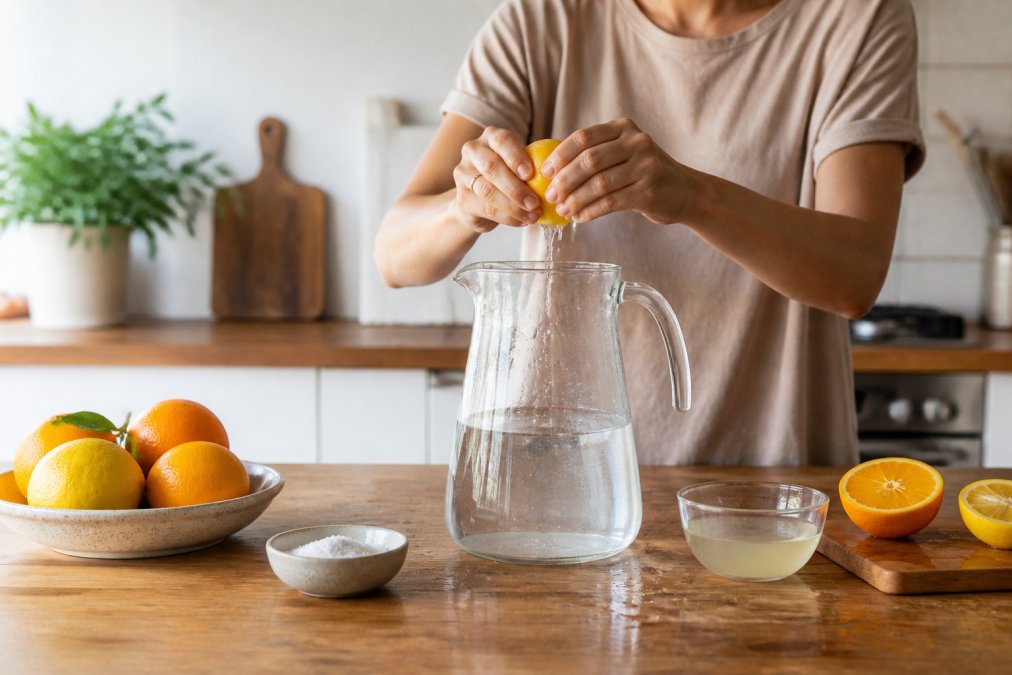
The Base Formula
- 16 oz water
- 1/4 tsp sea salt for sodium (about 575 mg sodium)
- Juice of half a lemon or orange for potassium and flavor
- 1 tsp honey or maple syrup for natural sugars and energy (skip for keto)
Adjusting the Ratio by Activity
Most store-bought drinks use one formula for every body and every workout. That's the flaw. A person on a 30-minute walk and a marathoner in August heat do not lose the same minerals, and the drink should reflect that.
- Everyday wellness / light activity (under 60 minutes): Keep sodium modest, about 1/8 tsp sea salt per 16 oz. The goal is maintenance, not replacement.
- Moderate exercise (60-90 minutes, moderate sweat): Use the base formula above. Add a second pinch of salt if you're a salty sweater (you'll know if your skin or clothes show white streaks after a workout).
- High-intensity or hot-weather training (90+ minutes, heavy sweat): Bump sodium to 1/2 tsp per 16 oz and add a carbohydrate source, 2 tsp honey or maple syrup, or 4 oz of fruit juice. Endurance athletes typically need 300-600 mg sodium per hour of hard effort, and heavier sweaters can exceed that (9 Facts About Hydration & Electrolytes).
- Illness or recovery (vomiting, diarrhea, heavy sweating from fever): A gentler ratio with more potassium, coconut water as the base liquid plus 1/8 tsp salt, is easier on a sensitive stomach.
Three Recipes to Build From
Classic citrus (everyday): 16 oz water, 1/4 tsp sea salt, juice of half a lemon, 1 tsp honey.
Coconut cooler (potassium-forward): 12 oz coconut water, 4 oz water, 1/8 tsp sea salt, squeeze of lime. Naturally rich in potassium and magnesium.
Tart cherry recovery (post-workout): 12 oz water, 4 oz tart cherry juice, 1/4 tsp sea salt, 1/4 tsp magnesium citrate powder. The juice adds carbohydrate and polyphenols; the magnesium supports muscle relaxation.
What It Actually Costs Per Serving
This is the part most articles skip. A typical 16 oz homemade serving runs roughly 15-40 cents depending on whether you use honey, juice, or coconut water. A comparable bottled natural electrolyte drink often lands between $2 and $4 per bottle, and a single-serve plant-based powder packet typically runs $1.50-$3. Over a month of daily use, that's a difference of $50-$100, real money for a family or a serious athlete.
The trade-off is convenience and shelf stability. Homemade wins on cost and control; bottled and powdered win on portability and consistent dosing.
Shelf Life and Storage
Fresh citrus and fruit lose potency over time, and anything with juice or honey is a microbial playground if left out.
- Refrigerate immediately and use within 24 hours for citrus- or juice-based drinks.
- Salt-and-water only versions can sit at room temperature for a day, but refrigeration is still safer.
- For a grab-and-go option, mix a dry blend (sea salt, magnesium citrate, potassium chloride, and a pinch of stevia or monk fruit) and store it in a small jar. Add it to water when you're ready to drink. Dry blends keep for months in a cool, dark cabinet.
- Don't store in reactive metal containers for long periods, glass or BPA-free plastic is the safer choice.
- If it smells off, looks cloudy, or has visible sediment, toss it. No electrolyte drink is worth a stomach bug.
For a creamier option, blend in coconut water, which naturally contains potassium and magnesium. Fresh fruit juices and smoothies work well too, especially for kids who resist plain water.
Natural Sources of Sodium, Potassium, and Magnesium
Whole foods cover most electrolyte needs without a single supplement. The trick is knowing which foods carry which minerals.
| Mineral | Best Natural Sources | Why It Matters |
|---|---|---|
| Sodium | Sea salt, celery, pickles | Fluid balance, nerve function |
| Potassium | Bananas, coconut water, avocado | Muscle function, blood pressure |
| Magnesium | Spinach, almonds, pumpkin seeds | Muscle relaxation, energy |
| Calcium | Dairy, leafy greens, sardines | Bone health, muscle contraction |
Bananas get all the attention, but avocado and coconut water deliver more potassium per serving. A handful of pumpkin seeds covers a meaningful share of your daily magnesium. For everyday hydration, salting your food properly and eating a few of these foods daily often does more than any powder.
Hydration for Kids and Endurance Athletes
Kids and endurance athletes have the two most different hydration needs, and both groups are poorly served by one-size-fits-all drinks. Parents searching for a dye-free option for a 7-year-old soccer player and a marathoner chasing a PR are looking for very different things, and the answer for each is more specific than "drink electrolytes."
For Kids: Dye-Free, Low-Sugar, and Sized to the Activity
Most parents' real concern isn't sodium, it's what else is in the bottle. Red 40, Yellow 5, and Yellow 6 are the dyes most commonly flagged by parent groups, and many conventional sports drinks pair them with 30+ grams of sugar per 20 oz bottle. For a child who isn't sweating heavily, that's a lot of sugar for very little benefit.
A practical framework:
- Casual play, recess, and short practices (under 45 minutes): Plain water plus a piece of fruit is enough. Banana, orange slices, or watermelon cover potassium and a bit of carbohydrate.
- Sustained activity (60-90 minutes of sweaty play, hot weather, or back-to-back games): A low-sodium, dye-free drink helps. Aim for roughly 100-200 mg sodium and 5-10 g of carbohydrate per 8 oz serving, far less than adult endurance formulas.
- Sick days (fever, vomiting, diarrhea): This is where electrolytes matter most for kids. A pediatric electrolyte solution from the pharmacy is the safest bet because the ratios are standardized. Homemade versions can work but are easy to get wrong, too much salt is genuinely dangerous for small bodies.
A simple kid-friendly homemade option: 8 oz water, a tiny pinch of sea salt (about 1/16 tsp), 2 oz orange juice, and a squeeze of lemon. Skip honey for children under one year old.
For Endurance Athletes: Match Sodium to Sweat Rate
The mistake most athletes make is drinking too much plain water and diluting their sodium further, a condition called hyponatremia that can be serious. The fix isn't a specific brand; it's matching your intake to your actual losses.
A workable approach:
- Estimate your sweat rate. Weigh yourself before and after a one-hour workout, accounting for any water you drank. Every pound lost is roughly 16 oz of fluid. A 2-lb loss in an hour means you need about 32 oz per hour to stay even.
- Estimate your sodium loss. If your skin or clothes show white salt streaks after a workout, you're a salty sweater and likely need 800-1,200 mg sodium per hour. If you barely taste salt on your skin, 300-600 mg per hour is often enough.
- Add carbohydrate for efforts over 90 minutes. Roughly 30-60 g per hour supports sustained output. This can come from the drink itself or from separate fuel.
- Practice in training, not on race day. Your gut needs to be trained to absorb fluids and sodium under effort. A drink that works on the couch may not work at mile 18.
For both groups, the principle is the same: match the mineral load to the actual demand, not to a marketing promise. A child at recess and an Ironman finisher both need electrolytes, just not the same ones, in the same amounts, or from the same bottle.
Conclusion
The gap between a well-formulated electrolyte drink and a sugary, dye-filled one comes down to what's on the label. Reading ingredient panels, building a simple homemade recipe, and choosing plant-based mineral sources puts you in control of what you're actually drinking.
At Hydrate Heroes, we built our formula around that idea. Our plant-based powder combines six functional mushrooms with premium electrolytes, uses our proprietary Balanced 88 Gold Sodium™, and contains zero sugar with just five calories per serving. We exclude sucralose and erythritol entirely, so you get clean replenishment without the additives you're trying to avoid. Experience a cleaner, more effective way to stay hydrated and energized throughout your day.
Frequently Asked Questions
What is the best natural drink to replace electrolytes?
Coconut water is a solid base, but it is lower in sodium than most people need after heavy sweating. A better option combines coconut water with a pinch of sea salt and a squeeze of lemon. For a shelf-stable choice, a plant based electrolyte powder with no added sugar gives you consistent sodium, potassium, and magnesium without the prep work. Look for one that lists actual mineral amounts per serving.
Is there an electrolyte drink without artificial sweeteners?
Yes. Many brands now use stevia, monk fruit, or no sweetener at all. The key is reading the label for sucralose, acesulfame potassium, and erythritol, which some people avoid for gut reasons. A dye-free formula with sea salt and citrus is a straightforward pick. If you want zero prep, a powder that is upfront about its full ingredient list makes the choice easier than scanning dozens of bottled options.
Are synthetic electrolytes bad for you?
Synthetic electrolytes themselves are not harmful in normal amounts. The concern is what else comes with them: artificial dyes, high sugar, and sweeteners like sucralose that some people link to digestive discomfort. If you are drinking them daily, the cumulative sugar and additive load matters more than the minerals. Natural alternatives to synthetic electrolyte drinks let you control sodium and avoid additives you would rather skip.
How do I make a homemade electrolyte drink that actually tastes good?
Start with 2 cups of coconut water, add a quarter teaspoon of sea salt, the juice of half a lemon, and a small splash of orange juice for flavor. Stir and chill. If you want it sweeter without sugar, a tiny pinch of stevia or monk fruit works. The salt is the part most people skip, and it is the most important one for rehydration. Make it in small batches and keep it in the fridge for up to three days.