 Listicle
Best Natural Electrolyte Snacks for Endurance Runners
Last Updated: October 23, 2026
Quick Summary
The best natural electrolyte snacks for endurance runners are whole foods paired to cover sodium and potassium gaps, such as dates with salted almonds, or a banana with a pickle spear. Bananas and dates lead on potassium, while pickles, olives, pretzels, and broth deliver sodium. Test any electrolyte snacks in training, never on race day.
- A medium banana delivers about 420 mg of potassium and 27 g of carbs.
- Three Medjool dates pack roughly 500 mg of potassium and 54 g of carbs.
- A single pickle spear can deliver 250 to 350 mg of sodium.
- Aim for roughly 30 to 60 g of carbohydrate per hour on runs of 90 minutes to 2.5 hours.
- Pre-portion snacks into 100-calorie bags the night before to keep dosing simple.
Table of Contents
- Why Natural Electrolyte Snacks Beat Sports Drinks for Runners
- Electrolyte Needs During Endurance Exercise: How Much You Actually Lose
- Top Electrolyte-Rich Foods for Runners (With Sodium and Potassium per Serving)
- What to Eat During a Long Run: Timing, Portions, and Packability
- Homemade Electrolyte Snacks for Runners: Three Recipes You Can Make Tonight
- Personalizing Sodium Intake for Sweat Rate, Heat, and GI Tolerance
- Common Mistakes Runners Make With Electrolyte Snacks
- Frequently Asked Questions
Why Natural Electrolyte Snacks Beat Sports Drinks for Runners
Natural electrolyte snacks are whole or minimally processed foods that supply sodium, potassium, magnesium, and calcium without the dyes, artificial sweeteners, and heavy sugar loads in many bottled sports drinks. At Hydrate Heroes, we see this shift every week: runners want real food that does a real job.
Below, we break down the best natural electrolyte snacks for endurance runners by nutrient profile, timing, and packability.
The Big Three: Sodium, Potassium, and Magnesium
Sodium is the electrolyte you lose most in sweat, and it drives fluid balance and muscle function. Potassium supports nerve signaling and blood pressure. Magnesium plays a role in muscle contraction and relaxation, and many runners run low on it without noticing.
Most natural snacks lean heavily on one or two of these: a banana is a potassium powerhouse but low in sodium, and a pickle spear is the reverse. Pairing foods covers the gaps.
Electrolyte Needs During Endurance Exercise: How Much You Actually Lose
How much you lose depends on sweat rate, heat, humidity, and genetics, and the range is wide. A heavy sweater in summer can lose far more sodium per hour than a light sweater in cool conditions. That is why blanket recommendations fall short.
We tell runners to estimate sweat rate with a simple weigh-in: weigh yourself before and after a one-hour run, account for fluid drunk, and the difference is roughly your hourly sweat loss. The American College of Sports Medicine position stand on exercise and fluid replacement is a useful starting point for the science behind individualized plans.
Top Electrolyte-Rich Foods for Runners (With Sodium and Potassium per Serving)
The best electrolyte snacks for endurance runners are the ones you will actually eat mid-run and that sit well in your stomach.
| Snack (portion) | Sodium (mg) | Potassium (mg) | Magnesium (mg) | Carbs (g) | Packability | Best For |
|---|---|---|---|---|---|---|
| Banana (1 medium, ~118 g) | ~1 | ~420 | ~32 | ~27 | Bruises; wrap or use a banana guard | Quick carbs, easy on the gut |
| Dates (3 Medjool, ~72 g) | ~2 | ~500 | ~40 | ~54 | Excellent, pocket-safe, heat-tolerant | Fast natural sugar, portable |
| Salted almonds (1 oz, ~28 g) | ~90-130 | ~200 | ~75 | ~6 | Good, resealable bag | Fat and protein, longer slower efforts |
| Pickle spear (1 medium, ~35 g) | ~250-350 | ~25 | ~3 | ~1 | Poor, needs a container | Fast sodium hit at aid stations |
| Olives (10 green, ~35 g) | ~300-400 | ~15 | ~4 | ~2 | Fair, oil leaks; double-bag | Sodium plus healthy fats |
| Broth (1 cup, ~240 mL) | ~800-900 | ~50 | ~5 | ~1 | Not portable, aid station or recovery | Recovery and heavy sweaters |
| Salted watermelon (1 cup, ~150 g) | ~80-120 (with 1/8 tsp salt) | ~170 | ~15 | ~11 | Poor, eat fresh | Hot-weather hydrating snack |
| Pretzels (1 oz, ~28 g) | ~250-350 | ~30 | ~8 | ~23 | Excellent, crush-resistant | Cheap sodium plus carbs |
| Salted nut butter packet (1 oz) | ~60-100 | ~100 | ~30 | ~3 | Excellent, single-serve | Steady fuel on long efforts |
| Electrolyte chew (3 pieces, typical) | ~150-200 | ~30-60 | ~0-10 | ~15-20 | Excellent | Convenience when whole food is impractical |
Bananas and dates are potassium leaders but nearly sodium-free, so a heavy sweater pairing them alone will under-replace salt.
Magnesium is the quiet gap: most whole-food snacks deliver 15-75 mg per portion against a general daily target of 310-420 mg for adults.
Portable Whole-Food Options: Bananas, Dates, and Salted Nuts
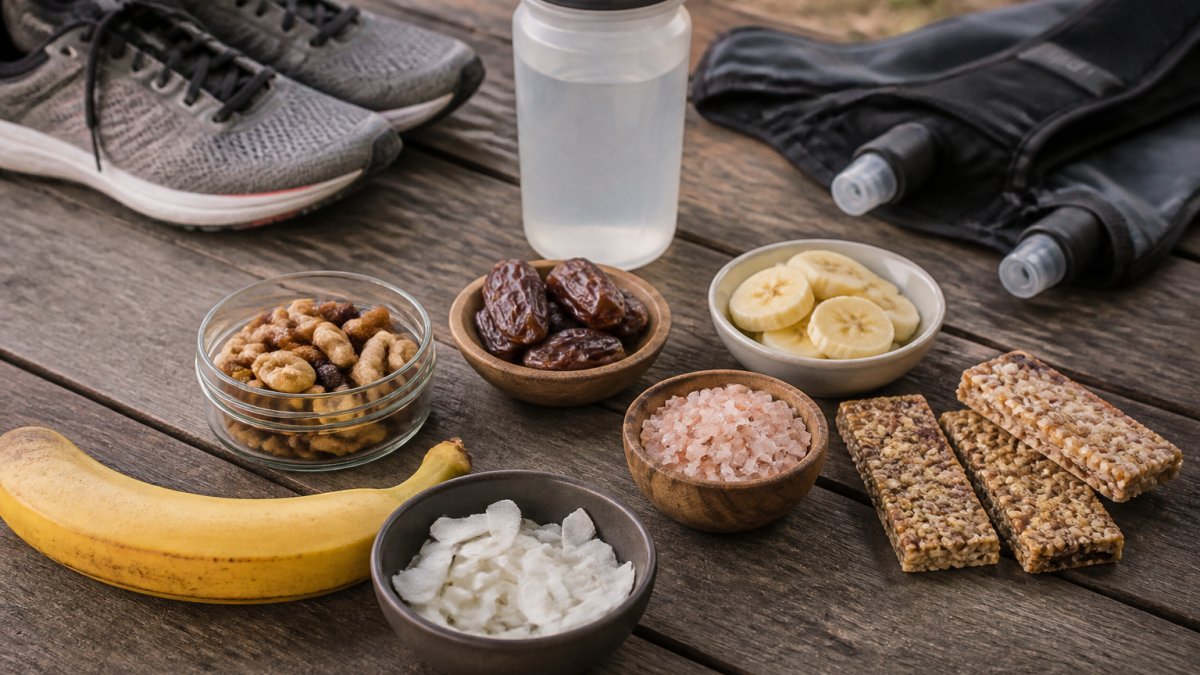
Bananas are the runner's default for good reason: easy to digest, wrapped by nature, and rich in potassium and natural carbohydrates. A medium banana delivers roughly 27 g of carbs and 420 mg of potassium for about 105 calories, but it bruises in a pocket, so wrap it or use a rigid banana guard. Three Medjool dates pack about 54 g of carbs and 500 mg of potassium and hold up in warm weather far better than chocolate-based snacks.
Savory Choices: Pickles, Olives, and Broth
Savory snacks are the underrated half of a runner's toolkit. Pickles and olives bring sodium fast, a single pickle spear can deliver 250-350 mg, and many runners find savory flavors easier to stomach deep into a long run than yet another sweet gel. Olives add healthy fats alongside sodium, though the oil makes them messy in a pocket; double-bag them.
Matching the Snack to the Effort
Use the table as a decision tool, not a menu. For runs under an hour in cool conditions, water and a banana or a few dates are plenty. For 60-120 minutes, add a salty item every 30-40 minutes, pretzels, salted nuts, or a pickle at an aid station. Beyond two hours, alternate carbohydrate-focused snacks (dates, bananas, chews) with sodium-focused ones (pretzels, olives, broth) and keep portions small enough to swallow without breaking breathing rhythm.
What to Eat During a Long Run: Timing, Portions, and Packability
Most guides tell you to eat every 20 to 30 minutes and stop there. The useful version ties timing and portion size to how long and how hard you are running, because a 45-minute easy jog and a three-hour race-pace effort have almost nothing in common from a fueling standpoint.
Timing by Run Duration
Under 60 minutes: You generally do not need mid-run calories or deliberate sodium replacement for a cool, easy effort, water is enough. If it is hot and you are a heavy sweater, a salty snack before or after beats fumbling mid-run.
60-90 minutes: Start small. A bite or two of a banana, a couple of dates, or a few pretzels every 20-30 minutes once you pass the hour mark keeps energy steady without stomach load.
90 minutes to 2.5 hours: This is where deliberate fueling separates a good run from a bonk. Aim for roughly 30-60 g of carbohydrate per hour from snacks, paired with sodium that matches your sweat losses, a banana plus pretzels in the first hour, dates plus salted nuts in the second, alternating sweet and savory.
Beyond 2.5 hours: Increase carbohydrate toward the upper end of your tolerance, many runners land in the 60-90 g per hour range with practice, and treat sodium as a separate dial you adjust for heat, humidity, and how salty your sweat is. Alternate carb-dense snacks with sodium-dense ones and keep portions to a few bites. Refining these intake strategies requires balancing energy availability with body composition goals, a process detailed in our nutrition tips for runners.
Portion Sizing
Small and frequent beats large and occasional. A practical portion is roughly 100-150 calories per snack stop, one medium banana, three dates, a small handful of pretzels, or a single-serve nut butter packet. Larger portions sit in the stomach and pull blood flow away from working muscles. Pre-portion snacks the night before so you are not doing math mid-run.
Intensity Changes the Plan
Easy and long-slow efforts tolerate more fat, fiber, and whole food because digestion has time to work. At tempo or race pace, blood flow shifts away from the gut, so favor lower-fiber, lower-fat options, dates, chews, pretzels, a banana, and save nuts, olives, and broth for easier running or recovery. Salted almonds at 5K pace is a recipe for side stitches.
Packability Decides What Actually Makes the Trip
Packability is the constraint most fueling plans ignore until race morning. Bananas bruise, so wrap them or use a rigid case. Dates and pretzels ride well loose in a pocket and tolerate heat. Nuts and nut butter packets are crush-resistant and resealable. Pickles and olives need containers and leak oil, so save them for aid stations or crew access; broth is a recovery or aid-station food, not a pocket food.
Test any new snack on a training run, never on race day. Your gut needs rehearsal, and the timing framework above only works if you have practiced eating at the pace and duration you plan to race.
Homemade Electrolyte Snacks for Runners: Three Recipes You Can Make Tonight
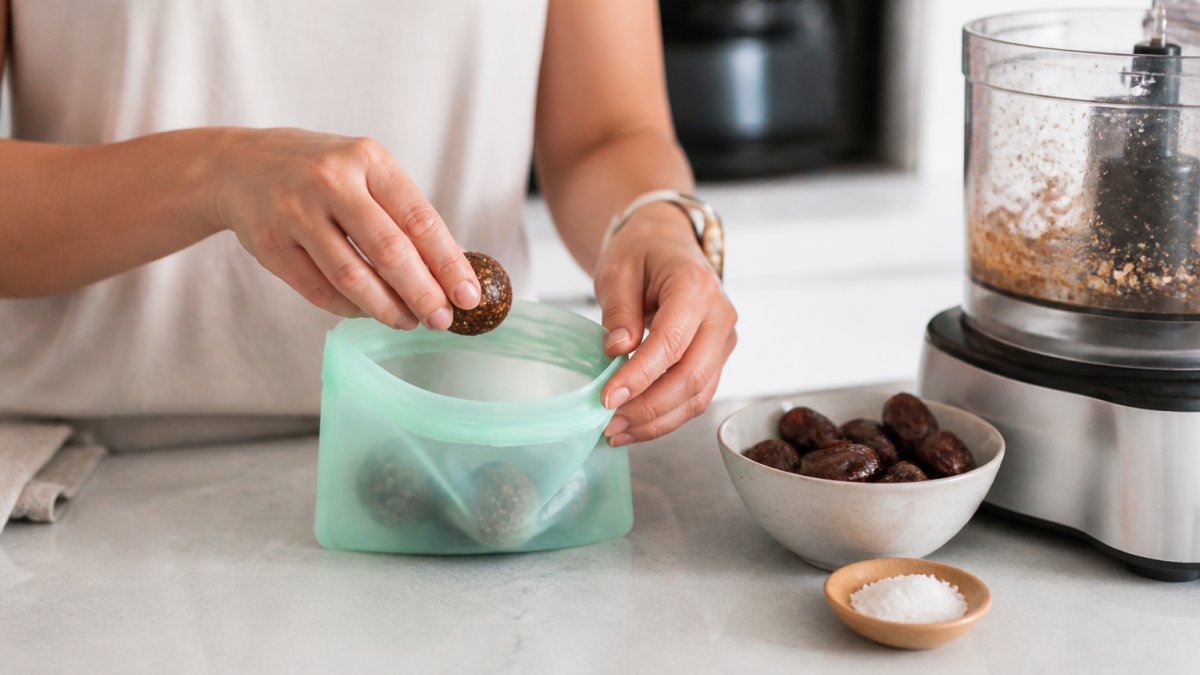
Making your own electrolyte snacks gives you full control over sodium and sugar, and it costs less than packaged options. Here are three recipes for runners who want clean, portable fuel.
No-Bake Date and Sea Salt Bites
Blend pitted dates with a pinch of sea salt and a handful of nuts, roll into bite-size balls, and chill. Each bite delivers potassium from the dates, sodium from the salt, and quick carbs for energy. They pack flat and hold up in warm weather better than chocolate-based snacks.
Maple-Syrup Energy Chews
Simmer maple syrup with a little sea salt until slightly thickened, pour into a lined tray, and cut into chews once cool. Maple syrup brings natural carbohydrates and potassium; the salt adds sodium. Wrap individual chews in parchment for packability.
Salted Watermelon and Lime Sticks
Cut watermelon into sticks, sprinkle lightly with sea salt and lime juice, and chill. Watermelon is high in water and potassium, making it a hydrating, refreshing snack for hot-weather runs and post-run recovery. Best eaten fresh, so plan this one for around the house or an aid station.
Personalizing Sodium Intake for Sweat Rate, Heat, and GI Tolerance
One runner's perfect sodium dose is another's stomach ache. Start with your sweat-rate estimate, then adjust for heat and humidity, which raise losses. Increase sodium gradually across training so your gut adapts. If you get bloating or sloshing, you likely took too much fluid or sodium at once; spread intake across the run instead.
Runners with food sensitivities should read labels carefully and favor whole foods with short ingredient lists. For broader guidance on fueling, the Academy of Nutrition and Dietetics sports nutrition resources covers evidence-based recommendations for athletes.
Common Mistakes Runners Make With Electrolyte Snacks
The biggest mistake is treating snacks as an afterthought and only reaching for them when energy crashes, fueling is a strategy, not a rescue. Second, ignoring sodium entirely and eating only sweet, low-salt foods leaves heavy sweaters under-replaced. Third, many runners overload portions and end up with stomach issues; small and frequent beats large and occasional.
- Skipping salt on hot, long runs
- Trying new snacks for the first time on race day
- Overeating in one stop instead of steady small doses
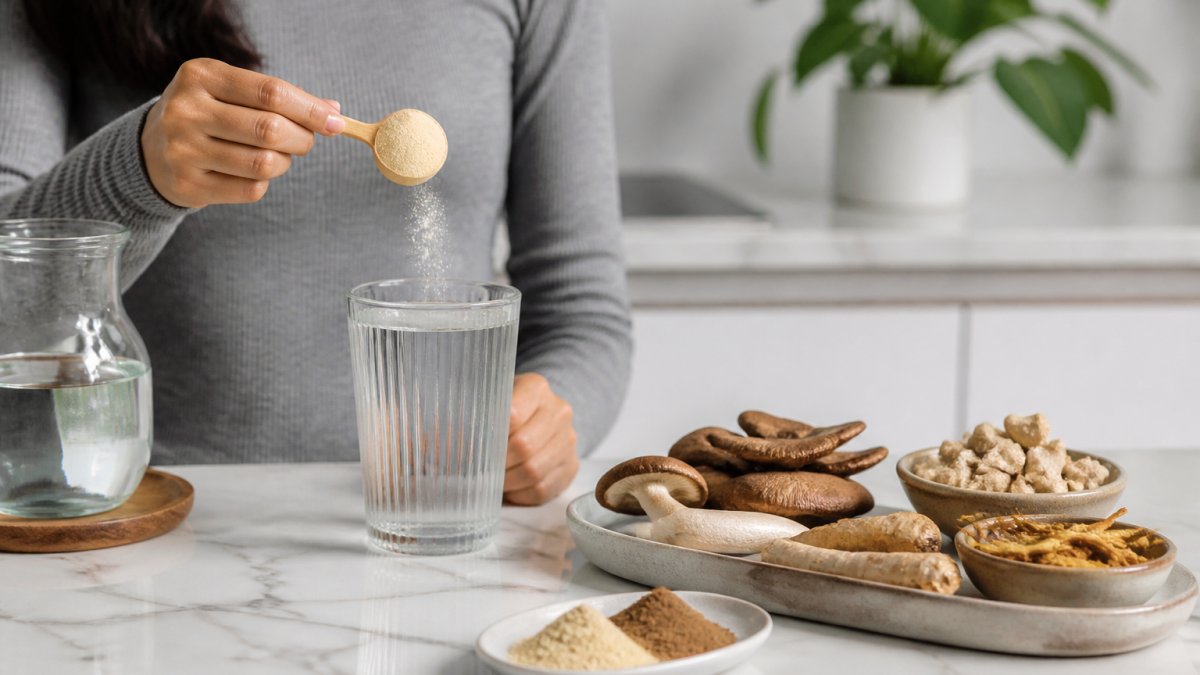
For runners who want a clean, portable way to top up minerals without sugar or artificial sweeteners, Hydrate Heroes offers a plant-based powder built on our Balanced 88 Gold Sodium™ with six functional mushrooms, zero sugar, and five calories per serving. It pairs well with whole-food snacks on long efforts.
Frequently Asked Questions
What are the best natural electrolyte snacks for endurance runners?
The best natural electrolyte snacks for endurance runners combine sodium, potassium, and easily digested carbohydrates. Bananas deliver about 400 mg potassium and 1 mg sodium per medium fruit. Medjool dates provide roughly 15 mg sodium and 167 mg potassium per date plus natural sugars. Salted nuts, pickles, and olives add sodium. For long runs, pair a banana with a pinch of sea salt or carry date-and-salt bites. These electrolyte snacks work well for runs under 90 minutes; longer efforts may need additional sodium from a drink mix or capsule.
How much sodium do runners need during a long run?
Sweat sodium losses vary widely, from roughly 200 mg to over 1,500 mg per liter of sweat. A runner losing one liter per hour in hot conditions may need 500-1,000 mg sodium per hour to replace losses. For a two-hour long run, that means 1,000-2,000 mg total. Whole-food electrolyte snacks rarely hit that alone, so combine salted foods with an electrolyte drink. Weigh yourself before and after a run to estimate your sweat rate and adjust your electrolyte needs during endurance exercise accordingly.
Can bananas replace electrolytes during a run?
Bananas are excellent for potassium, providing about 400 mg per medium fruit, but they are low in sodium at roughly 1 mg. If you sweat heavily or run in heat, bananas alone will not replace sodium losses. Use bananas as part of a broader plan: pair them with salted nuts, a pinch of sea salt, or an electrolyte drink. For runs under an hour, bananas are fine. For longer endurance running, combine them with sodium-rich electrolyte snacks to support fluid balance and muscle function.
When should runners eat electrolyte-rich snacks?
Eat electrolyte-rich snacks before, during, and after long runs. About 30-60 minutes before a run, have a small snack with sodium and carbs, such as a banana with salt or a date bite. During runs longer than 60-90 minutes, take 30-60 grams of carbohydrates per hour plus sodium from snacks or a drink. After training, a snack with sodium and potassium, like a salted recovery drink or a date-and-nut mix, helps replace losses. Practice your timing on training runs before race day.
The hardest part of fueling is not knowing what to eat, it is matching your intake to your body and conditions. Hydrate Heroes makes that simpler with a plant-based formula that delivers premium electrolyte hydration, contains six functional mushrooms, and stays clean with zero sugar and no sucralose or erythritol. Get started with Hydrate Heroes and give your long runs the mineral support they deserve.