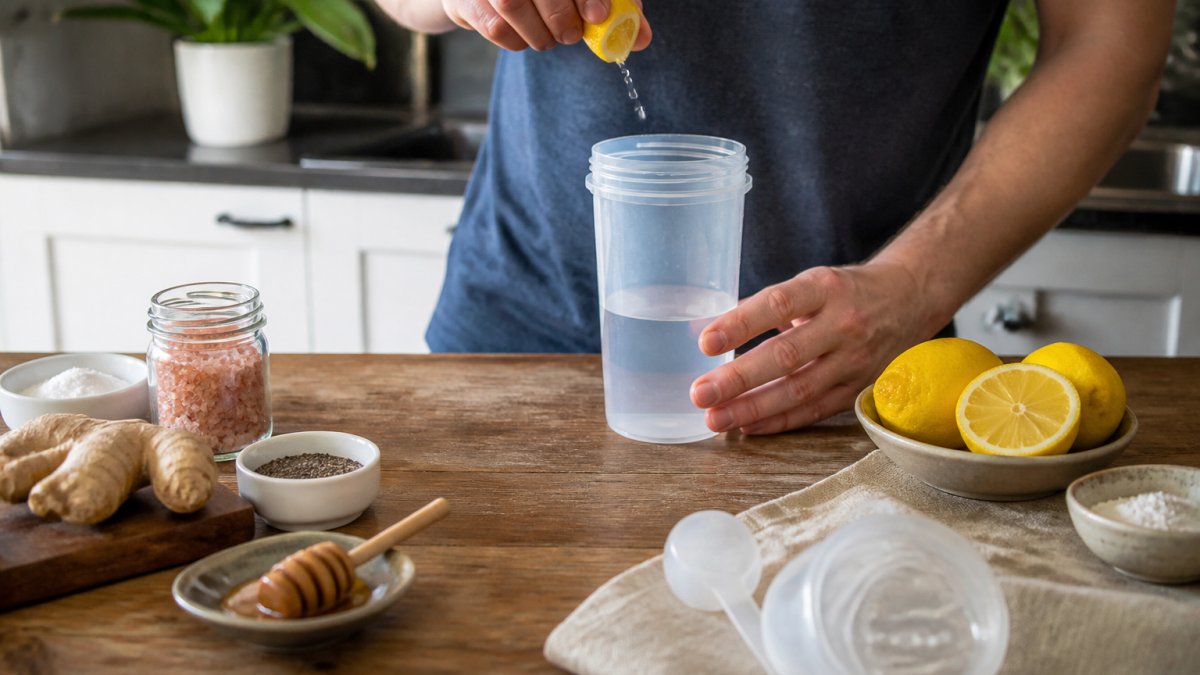
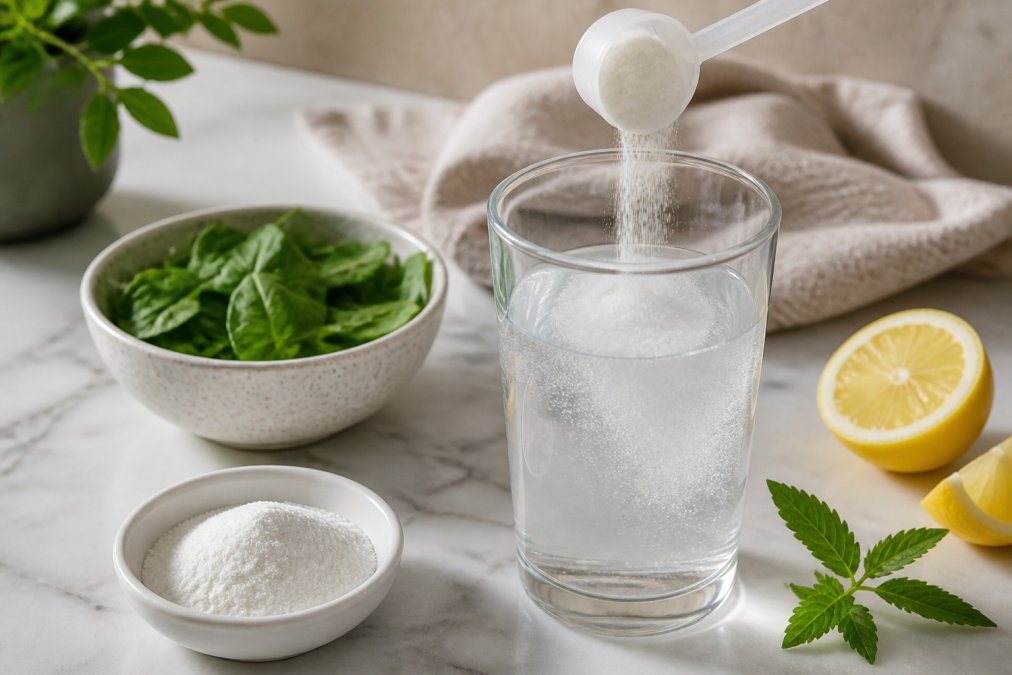
 comparison
Is Stevia-Based Electrolyte Powder Worth It? A 2026 Guide
Table of Contents
- How Stevia Electrolyte Powder Works in Your Body
- The Side Effects of Stevia in Supplements You Should Know
- The Bitter Aftertaste Problem: Stevia Sensitivity vs. Allergy
- Electrolyte Powder Without Stevia or Erythritol: What to Look For
- The Healthiest Electrolyte Drink for Daily Use: A Decision Framework
- Conclusion: When Stevia Electrolyte Powder Earns Its Place
- Frequently Asked Questions
Last Updated: September 11, 2026
How Stevia Electrolyte Powder Works in Your Body
Is stevia based electrolyte powder worth it? For most people chasing zero-sugar hydration, yes, with one caveat: it depends on how sensitive you are to stevia's aftertaste and how your gut responds to non-nutritive sweeteners.
Stevia is a plant-derived, zero-calorie sweetener extracted from the leaves of Stevia rebaudiana (the FDA). It contains compounds called steviol glycosides, which taste intensely sweet but contribute no sugar and no calories.
That single fact explains why stevia shows up in so many electrolyte mixes. Sugar adds calories and spikes blood sugar. Stevia doesn't. For anyone managing insulin sensitivity, that trade-off matters.
But here's what most guides skip: stevia doesn't hydrate you. The electrolytes do. The sweetener only makes them drinkable.
What Stevia Is and Why It Ends Up in Hydration Mixes
Electrolyte powders rely on sodium, potassium, magnesium, and chloride to support fluid balance. Those minerals taste salty, bitter, or chalky on their own. Manufacturers add a sweetener to mask that sensory profile.
Stevia wins that job for three reasons: it's plant-based, it's a zero-calorie sweetener, and it fits a clean label. In a category once dominated by artificial sweeteners, stevia reads as the "natural" choice.
The catch is that stevia's sweetness arrives with a sensory cost. More on that below.
The Sodium-Potassium Ratio That Actually Matters
The sodium-potassium ratio is the number that determines whether an electrolyte powder genuinely supports rehydration or just tastes like it does.
Sodium drives fluid retention and supports rapid rehydration. Potassium works inside cells to maintain fluid balance and nerve signaling. When the ratio skews too hard toward sodium, the drink can feel aggressive; too little sodium and it won't meaningfully replace what you lose through sweat.
A common mistake is buying on sweetener type alone. In practice, the mineral profile, not the sweetener, decides how well the product performs.
The Side Effects of Stevia in Supplements You Should Know
The side effects of stevia in supplements are usually mild and digestive rather than dangerous. Reported issues include bloating, gas, and a lingering aftertaste. Serious reactions are rare in people without a known sensitivity.
What most guides miss is that "natural" and "side-effect-free" aren't the same claim. Stevia is plant-derived, but plant-derived ingredients can still disagree with a specific gut.
The bigger open question is the microbiome. Research into non-nutritive sweeteners and gut health is still developing, and findings are mixed. Some studies suggest certain sweeteners may influence gut bacteria composition; others show minimal effect. The honest position: we don't yet have a settled scientific consensus on stevia's impact on the gut microbiome, and anyone telling you otherwise is overselling certainty.
The Bitter Aftertaste Problem: Stevia Sensitivity vs. Allergy
The bitter or metallic finish people describe is the single most common complaint about stevia-sweetened electrolytes. It's a sensory profile issue, not a safety one.
Stevia sensitivity is a taste response. You perceive bitterness or a metallic finish from steviol glycosides, especially at higher concentrations. It's unpleasant but harmless.
A stevia allergy is different. It's an immune reaction, and it's rare. Signs would include hives, swelling, or breathing difficulty after consumption, not just an off taste. If you suspect a true allergy, that's a medical question, not a product-selection one.
Practically, sensitivity is manageable. Lower-sweetener formulas, blends with monk fruit extract, or smaller serving sizes often reduce the bitter edge. If the finish still bothers you, stevia simply isn't your sweetener, and that's fine.
Electrolyte Powder Without Stevia or Erythritol: What to Look For
Electrolyte powder without stevia or erythritol exists, and the label is where you separate real options from repositioned ones. Read the sweetener line first, then the mineral line. If you are managing blood sugar, the sweetener line matters even more than the mineral line, because the two sweeteners people reach for as stevia replacements behave very differently in the body.
Glycemic Index and Insulin Response: How the Common Sweeteners Compare
Glycemic index (GI) measures how quickly a food raises blood glucose on a 0-100 scale, where pure glucose is 100 (PubMed). A low-GI food scores 55 or below. If you are asking whether stevia is "worth it," you are often asking a blood-sugar question, so here is the direct comparison most guides skip:
| Sweetener | Source | Glycemic Index | Calorie Impact | Common Complaint |
|---|---|---|---|---|
| Stevia | Plant leaf extract | 0 (no glucose response) | Zero | Bitter, metallic finish |
| Monk fruit | Fruit extract | 0 (no glucose response) | Zero | Mild, less reported |
| Allulose | Low-calorie sugar | Very low (minimal glucose rise) | Minimal (roughly 0.4 kcal/g) | Rare digestive upset |
| Erythritol | Sugar alcohol | 0 (no glucose response) | Near zero (roughly 0.2 kcal/g) | Bloating in some users |
| Sucralose | Artificial | 0 (no glucose response) | Zero | Gut microbiome concerns |
A few practical notes on that table. Stevia, monk fruit, erythritol, and sucralose do not raise blood glucose because the body does not metabolize them as sugar. Allulose is the outlier: it is a sugar, but it is absorbed without being fully metabolized, so it contributes far fewer calories than table sugar and produces only a small glucose response. That makes allulose the closest thing to a "real sugar" experience for people who dislike the aftertaste of high-intensity sweeteners but still want to keep their blood sugar steady.
One caveat worth stating plainly: a zero on the glycemic index does not automatically mean a sweetener is neutral for everyone. GI measures blood glucose, not gut comfort, and the two are separate questions.
Sweetener Alternatives to Look For
- Monk fruit extract, fruit-derived, minimal aftertaste for most people, and a common blend partner with stevia because the two round off each other's edges.
- Allulose, a low-calorie sugar that behaves differently in the body than table sugar and tastes the most like the real thing.
- Erythritol, common in sugar-free products, though some people report digestive discomfort at higher doses.
- No sweetener at all, some daily hydration products skip sweetening entirely, which is the cleanest option if every sweetener disagrees with you.
DIY Electrolyte Recipes Without Sweeteners
If every commercial option tastes off to you, the no-sweetener route is simpler than most people expect. A basic unflavored electrolyte drink is three ingredients:
- Sodium, a small pinch of table salt or sea salt (roughly 1/4 teaspoon) in 16-24 ounces of water.
- Potassium, a squeeze of lemon or a small amount of potassium-rich juice, or a salt substitute (often potassium chloride) if you want it unflavored.
- Magnesium, a small amount of a magnesium powder or a magnesium-rich food alongside the drink, since magnesium is hard to make palatable in water.
This is not a performance formula, it is a daily-hydration baseline. If you are sweating heavily or training for hours, you need more sodium than a pinch, and you should measure it rather than eyeball it. The advantage of DIY is total control: no sweetener, no aftertaste, and you can dial the sodium up or down to match your day.
Then Check the Minerals
Look for a stated sodium-potassium ratio, trace minerals, and a clean label with no sucralose. If a product hides behind "proprietary blend" without numbers, treat that as a yellow flag. For context on how sweeteners differ, the FDA guidance on high-intensity sweeteners is a useful reference point for what's approved and how each type is classified.
The Healthiest Electrolyte Drink for Daily Use: A Decision Framework
The healthiest electrolyte drink for daily use is the one whose mineral profile matches your actual losses and whose sweetener you can tolerate every day. Daily hydration is a different job than endurance performance, and the stevia question only matters if you actually drink the product consistently. A formula you avoid because of the aftertaste is worth nothing, no matter how clean the label.
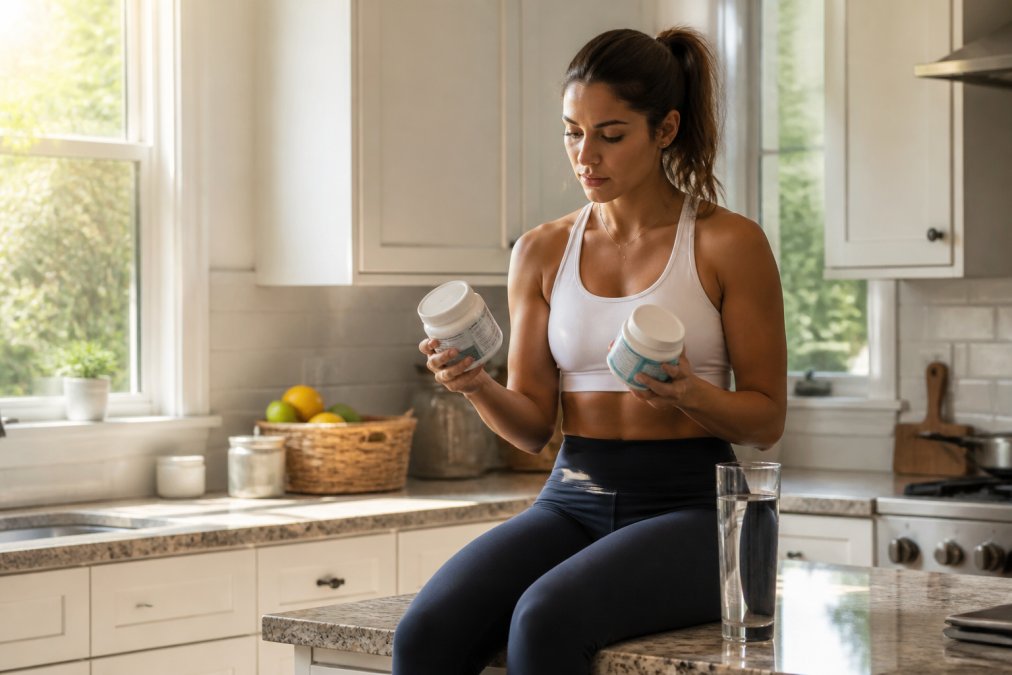
Hydration Needs by Activity Level
Sweat losses scale with effort, heat, and body size, so a single serving size does not fit everyone. A common pattern practitioners use:
- Desk work and light daily activity: you lose relatively little sodium through sweat. A low-to-moderate sodium serving, once a day, is usually enough to support normal fluid balance. Many people in this category do not need an electrolyte powder at all and can get what they need from food.
- Casual training (under an hour): water plus a normal diet covers most sessions. An electrolyte powder is optional and mostly a convenience or taste choice.
- Moderate training (1-3 hours): sodium needs rise meaningfully. This is where the actual milligram count on the label starts to matter more than the sweetener.
- Endurance and hot-weather work (3+ hours, or heavy sweating): sodium losses can be substantial, and replacing them becomes a performance issue, not a preference. Check the milligram count per serving, not the marketing claim.
- Kids in sports: match serving size to body weight and activity, and talk to a pediatrician about sodium before adding a powder to a child's routine.
A Decision Framework
- Casual training or desk work: prioritize a balanced sodium-potassium ratio and a sweetener you enjoy. If stevia's aftertaste makes you skip the drink, choose monk fruit or allulose instead.
- Endurance performance: sodium needs rise; check the actual milligram count, not the marketing. Sweetener choice is secondary here.
- Keto, paleo, or vegan: confirm zero sugar and check the glycemic index impact of any added sweetener. Stevia, monk fruit, and erythritol all score zero on the glycemic index; allulose scores very low.
- Sensitive gut: start with the smallest serving and one new product at a time. If stevia or erythritol triggers bloating, switch to monk fruit or a no-sweetener formula.
- Kids in sports: match serving size to body weight and activity, and talk to a pediatrician about sodium.
Where Stevia Fits in the Framework
Stevia earns its place in this framework for one specific shopper: someone who wants zero sugar, a plant-based sweetener, and a mineral profile that fits their day. It loses its place when the aftertaste ruins the habit or the gut pushes back. That is the honest answer to "is it worth it", it depends on which of the five categories above you fall into, not on whether stevia is good or bad in the abstract.
This is where Hydrate Heroes fits for a specific shopper: someone who wants zero sugar, no sucralose, no erythritol, and a plant-based formula. Our Balanced 88 Gold Sodium™ anchors the mineral side, and six functional mushrooms round out the formula at five calories per serving. It's a clean-label pick, not a universal one.
Conclusion: When Stevia Electrolyte Powder Earns Its Place
Stevia-based electrolyte powder earns its place when you want zero sugar, plant-based sweetening, and a mineral profile that fits your day. It loses its place when the aftertaste ruins the habit or your gut pushes back.
The real question isn't whether stevia is good or bad. It's whether the specific formula works for your body and your routine. Check the sodium-potassium ratio, read the sweetener line, and test one product at a time.
If a clean, zero-sugar, plant-based formula is what you're after, Hydrate Heroes combines six functional mushrooms with premium electrolytes, no sucralose, and no erythritol. Get started with Hydrate Heroes and build a daily hydration habit that fits how you actually live.
Frequently Asked Questions
Why are people avoiding stevia in electrolyte supplements?
Most complaints center on taste rather than safety. Stevia's glycosides bind to bitter receptors on the tongue, which some people perceive as a metallic finish or lingering aftertaste, especially in salty formulas. Others avoid it because they want a zero-additive product or have read preliminary research on non-nutritive sweeteners and gut bacteria. The FDA lists high-purity steviol glycosides as Generally Recognized As Safe, so the decision usually comes down to sensory preference and how clean you want the label.
Is stevia considered an artificial sweetener?
No. Stevia comes from the leaves of Stevia rebaudiana, a plant native to South America, so regulators and most nutritionists classify it as a natural sweetener. That distinction matters if you are choosing an electrolyte powder without stevia or erythritol: both are marketed as natural, yet erythritol is a sugar alcohol made through fermentation and can cause bloating in sensitive people. Stevia is plant-derived but still highly processed into a white powder before it reaches your scoop.
What are the common side effects of stevia in hydration drinks?
The side effects of stevia in supplements are usually mild: a bitter or licorice-like aftertaste, occasional bloating when paired with sugar alcohols, and rare reports of headache or nausea. Stevia has a mild diuretic effect, so drinking large amounts alongside an already sodium-heavy mix can push fluid balance in the wrong direction. If you notice digestive discomfort, check whether your powder also contains erythritol, since that ingredient causes gas for many people.
Are there functional benefits to choosing electrolyte powders with added ingredients like mushrooms?
Functional mushrooms such as lion's mane and cordyceps are added for focus and endurance support rather than electrolyte balance itself. They do not replace sodium, potassium, or magnesium, so treat them as a bonus, not the reason to buy. If you want the healthiest electrolyte drink for daily use, prioritize the mineral profile first, then decide whether mushroom extracts or trace minerals justify the higher cost per serving.