 how-to
How to Stay Hydrated Without Added Sugar: A Practical Guide
Table of Contents
- Why Hydration Without Added Sugar Matters
- How Much Water to Drink Daily (and When to Adjust)
- How to Hydrate Without Drinking a Lot
- Low-Sugar Electrolyte Drinks: What to Look For
- Homemade Electrolyte Drink Without Sugar
- When Water Is Enough and When You Need Electrolytes
- A Simple Daily Hydration Plan
- Frequently Asked Questions
Last Updated: October 15, 2026
Why Hydration Without Added Sugar Matters
Learning how to stay hydrated without added sugar comes down to one simple idea: your body needs water and electrolytes, not the sweeteners that ride along with most bottled drinks. The CDC notes that plain water is the best way to stay hydrated, yet many people reach for sugary sodas, juices, and sports drinks instead.
That swap has a cost. Sugary drinks add calories without helping your body absorb fluid any better. In fact, drinks with too much sugar can pull water into your gut and leave you feeling bloated.
Hydration without added sugar means choosing drinks that replace fluid and electrolytes while skipping the sweet stuff. It is easier than it sounds.
How Much Water to Drink Daily (and When to Adjust)
There is no single number that fits everyone. The National Academies of Sciences, Engineering, and Medicine fluid intake guidance puts total fluid intake at roughly 9 cups (about 2.2 liters) a day for women and 13 cups (about 3.7 liters) for men, but that figure covers all beverages and water-rich food, not just plain water. It is a population reference point, not a personal prescription.
A more useful way to think about it is in ranges that shift with your situation:
- Body size. A 120-pound adult and a 220-pound adult do not lose fluid at the same rate. Larger bodies generally need more.
- Activity. Add roughly 1.5 to 2.5 cups for every hour of moderate exercise, and more in intense or hot conditions.
- Climate. Heat and humidity raise sweat losses. Cold, dry air increases respiratory fluid loss, so winter dehydration is real.
- Pregnancy and breastfeeding. Pregnancy raises fluid needs modestly; breastfeeding can add several cups a day because milk production draws on body water.
- Health status. Fever, vomiting, diarrhea, and some medications increase losses. Heart, kidney, and liver conditions can require restriction instead. Those cases belong with a clinician, not a general article.
A practical self-check beats a fixed target. Pale straw-colored urine and regular bathroom trips suggest you are in range. Dark amber urine, a dry mouth, or a headache by mid-afternoon suggest you are behind.
Signs You're Not Drinking Enough
Early dehydration is easy to miss because thirst lags behind actual need. Watch for:
- Dark yellow or amber urine, or fewer trips to the bathroom than usual
- Dry mouth, lips, or skin that stays tented when pinched
- Headache, lightheadedness, or dizziness when standing
- Fatigue, irritability, or trouble concentrating
- Muscle cramps, especially during or after activity
If two or more of these show up together, drink water and reassess within an hour. If symptoms include confusion, rapid heartbeat, very little urine, or the inability to keep fluids down, that is a medical situation, not a hydration tweak. Seek care. Establishing consistent caffeine-free hydration habits throughout the morning helps stabilize your energy levels and prevents the physical fatigue that often mimics more serious signs of dehydration.
Overhydration Is Also a Risk
Drinking far more than you lose can dilute blood sodium, a condition called hyponatremia. It is uncommon in everyday life but shows up in endurance events when people drink large volumes of plain water without replacing sodium. Symptoms include nausea, headache, confusion, and swelling. The takeaway is balance, not maximum volume. Spread fluid across the day and pair it with electrolytes when you sweat heavily for long periods.
How to Hydrate Without Drinking a Lot
Some people just do not like chugging water. The good news: you can hit your fluid goals without downing glass after glass.
Try these:
- Eat water-rich foods like cucumber, watermelon, and berries.
- Sip herbal tea through the day.
- Add fruit-infused water for flavor without sugar.
- Choose milk or skim milk, which hydrates well.
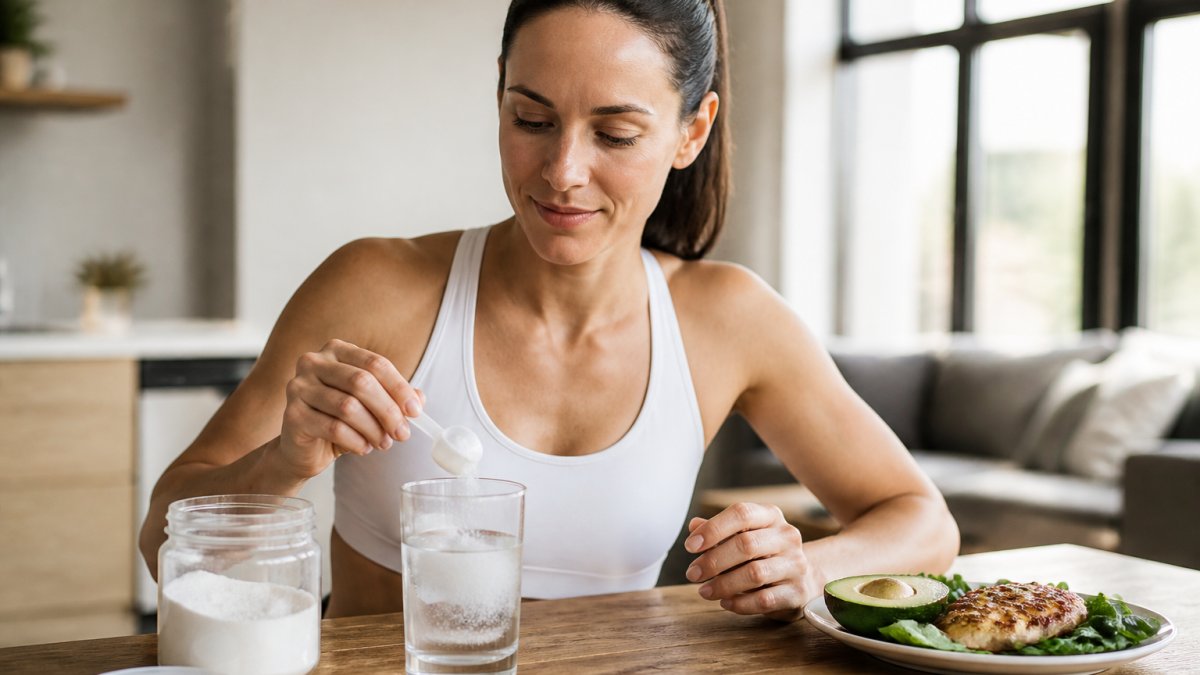
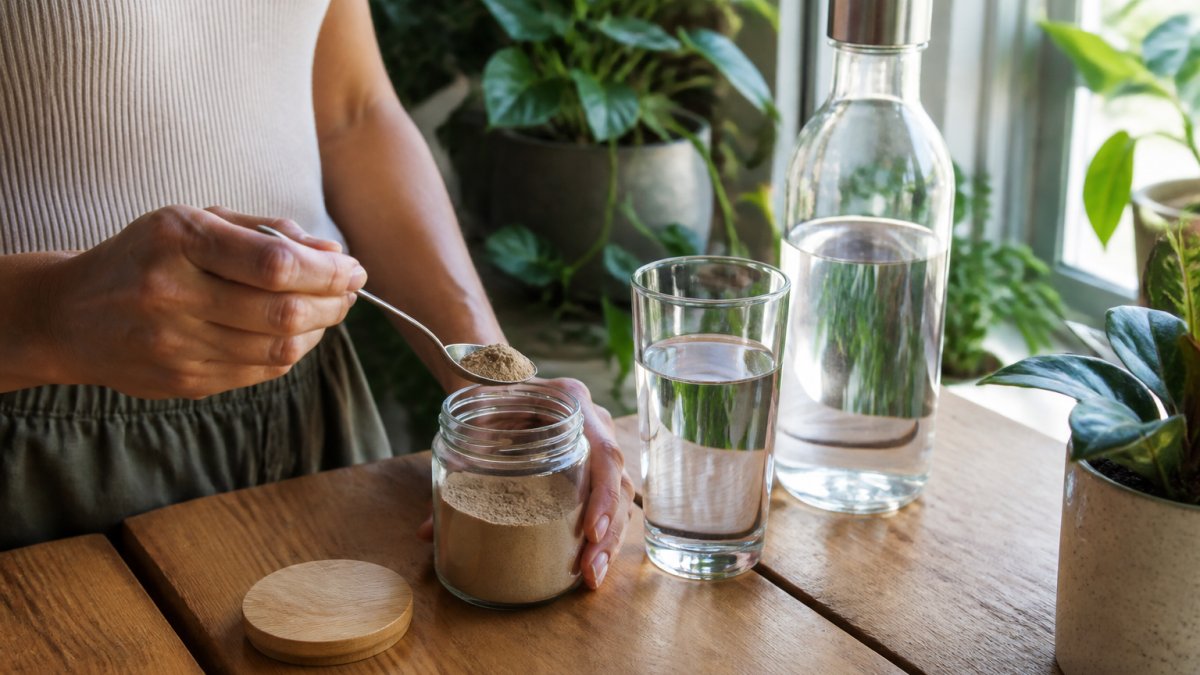
- Use a no-added-sugar electrolyte powder in a single glass.
Small, steady sips beat one big gulp. Your body absorbs fluid better when you spread it out.
Low-Sugar Electrolyte Drinks: What to Look For
Low-sugar electrolyte drinks replace sodium, potassium, and other minerals lost through sweat while keeping sugar low. They matter most when you sweat a lot or exercise for long stretches.
Here is what to check on the label:
- Sodium and potassium amounts per serving
- Total and added sugar
- Artificial sweeteners like sucralose or erythritol
- Serving size, since labels often list two
Many brands hide sugar behind names like cane syrup, dextrose, or fruit juice concentrate. Read the full list.
Reading Labels: No Added Sugar vs. Sugar-Free vs. Low Sugar
These three claims are not the same, and the difference trips people up.
| Label claim | What it means | Watch out for |
|---|---|---|
| No added sugar | No sugar added during processing | Natural sugars may still be present |
| Sugar-free | Less than 0.5 g sugar per serving | May contain artificial sweeteners |
| Low sugar | At or below the FDA limit per serving | Still adds up over many servings |
The FDA guidance on sugar labeling claims spells out these definitions. A drink can be "no added sugar" and still carry natural sugar from fruit. That is why the full label matters more than the front of the bottle.
Homemade Electrolyte Drink Without Sugar
A homemade electrolyte drink without sugar takes about two minutes and costs very little. You control every ingredient.
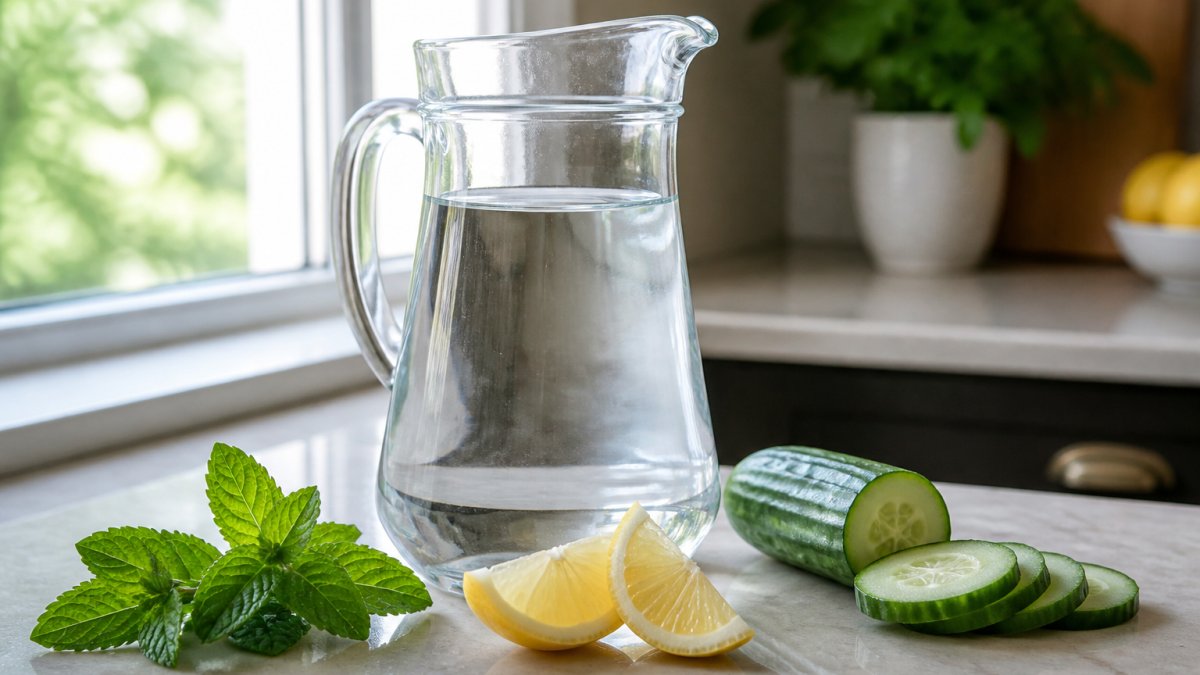
Here is a basic recipe:
- 1 quart (about 1 liter) of water
- 1/4 teaspoon of salt
- Juice of half a lemon
- A pinch of potassium-rich cream of tartar, optional
- Fresh mint or cucumber for flavor
Stir until the salt dissolves. Sip through the day. For flavor without sugar, add berries or a slice of citrus.
When Water Is Enough and When You Need Electrolytes
Plain water covers most everyday needs. You likely do not need electrolytes for a short walk or a normal workday.
You may benefit from them when:
- You exercise hard for more than an hour
- You sweat heavily in heat
- You are recovering from illness with vomiting or diarrhea
- You follow a low-carb or keto diet, which flushes more sodium
This is where a clean option helps.
If you have a health condition, check with your doctor before adding electrolytes. People managing kidney or heart issues often need to limit sodium.
A Simple Daily Hydration Plan
A steady routine beats random gulping. Here is a plan you can copy:
- Morning: One glass of water when you wake up.
- Mid-morning: Herbal tea or fruit-infused water.
- Lunch: Water with your meal, plus a water-rich food.
- Afternoon: Another glass, or an electrolyte drink if you trained.
- Evening: Sip water, but ease off close to bedtime.
Track it for a week. Most people find they drink far less than they thought.
Frequently Asked Questions
How can I hydrate without drinking a lot of water at once?
Spread fluid intake across the day instead of chugging large amounts. Keep a water bottle nearby and take small sips every 15 to 20 minutes. Eat water-rich foods like cucumber, berries, and melon, which contribute to daily fluid intake. Herbal tea and milk also count toward hydration. If you struggle with plain water volume, add fruit slices or herbs for flavor without added sugar. For exercise, sip steadily rather than waiting until you feel thirsty.
What is the healthiest rehydration drink without added sugar?
Plain water works for most everyday situations. After intense exercise or heavy sweating, a low-sugar electrolyte drink with sodium and potassium helps replace what you lose. Unsweetened milk, including skim and full-fat varieties, provides fluids and electrolytes. Herbal tea and fruit-infused water are also strong options. Check labels for no added sugar, and avoid drinks sweetened with artificial ingredients if that matters to you.
Do you need electrolytes to stay hydrated?
Not always. For daily hydration and light activity, water and water-rich foods cover your needs. Electrolytes matter when you sweat heavily, exercise for more than an hour, or spend time in heat. Sodium and potassium are the key minerals lost in sweat. A low-sugar electrolyte drink or a homemade mix with a pinch of salt and lemon juice can help. If you have a medical condition affecting sodium levels, talk to your doctor before adding electrolyte products.
What can I add to water for flavor without adding sugar?
Cucumber slices, lemon or lime wedges, fresh mint, basil, and berries all add flavor without sugar. Frozen fruit works as ice cubes and releases flavor as it melts. A splash of unsweetened herbal tea or a few drops of food-grade essential oil (like peppermint) also works. Avoid flavored syrups and sweetened drink mixes. If you want bubbles, unsweetened sparkling water with a squeeze of citrus is a solid choice.
Staying hydrated without sugar is a habit, not a hack. The challenge is finding drinks that taste good and skip the sweeteners you want to avoid.
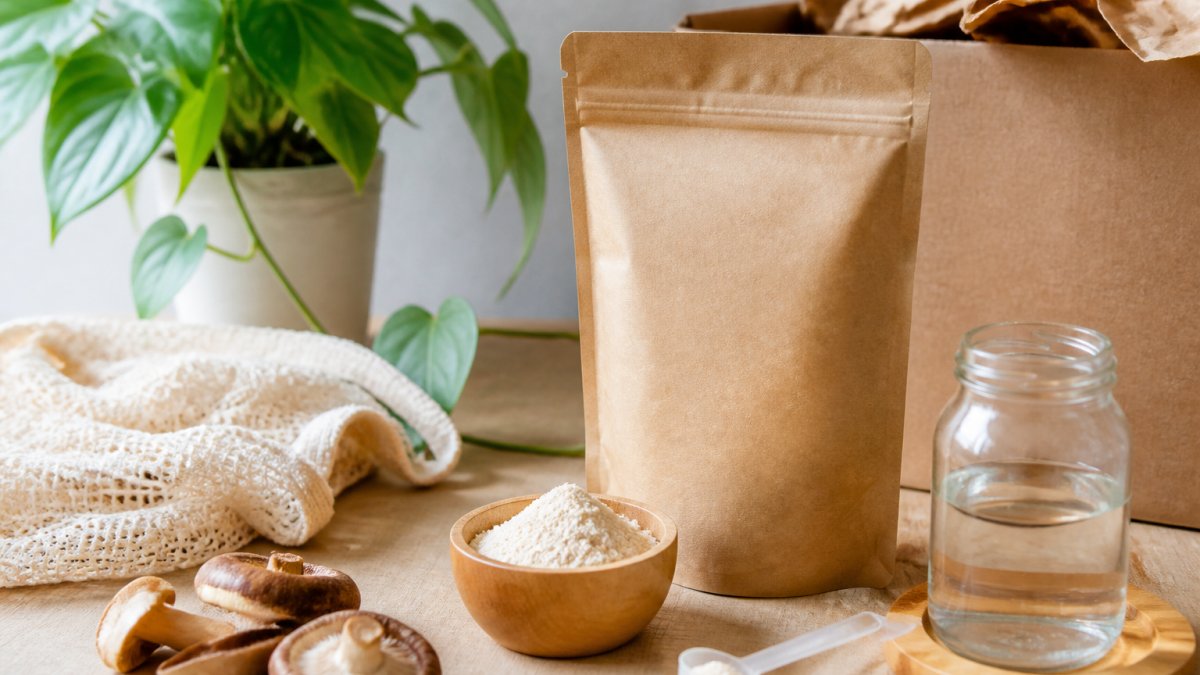
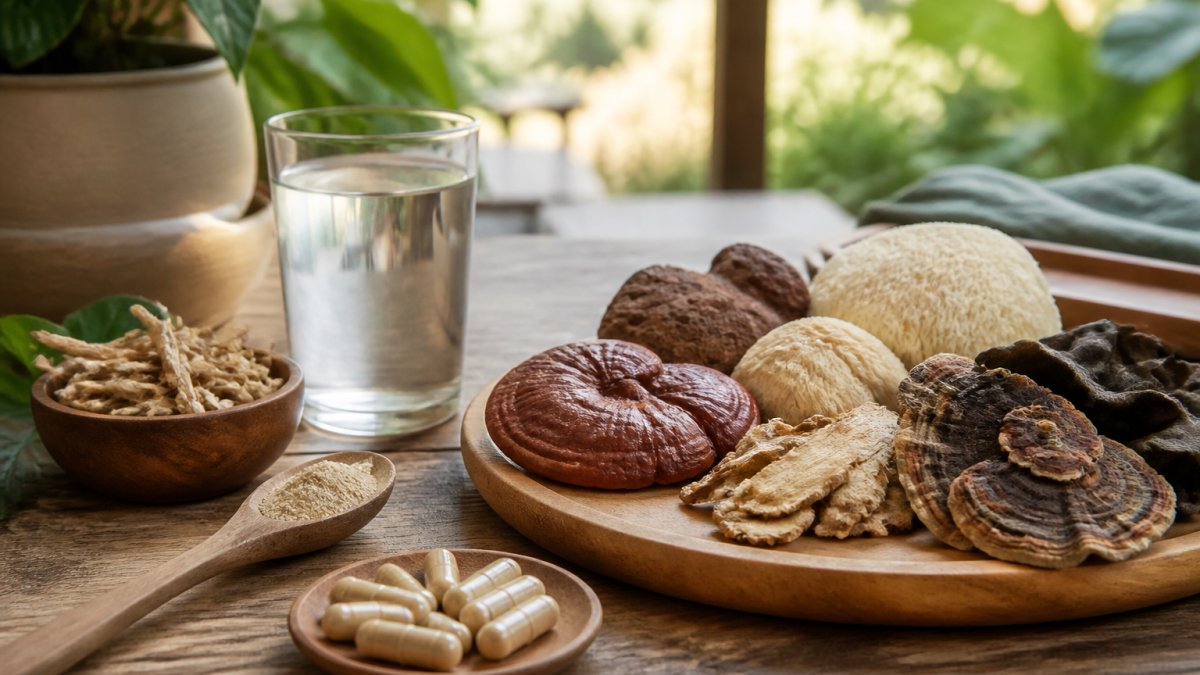
That is exactly why we built Hydrate Heroes. Our formula pairs six functional mushrooms with premium electrolytes, uses our Balanced 88 Gold Sodium™, and keeps every serving at zero sugar and five calories. No sucralose, no erythritol, fully plant-based. Get started with Hydrate Heroes and make clean hydration your easiest daily win.