 how-to
Homemade Electrolyte Drink Recipes for Kids
Table of Contents
- Why Parents Make Electrolyte Drinks at Home
- Homemade Electrolyte Solution for Toddlers: What Changes After Age One
- Electrolyte Drink Ingredients for Children: What Each One Does
- Step-by-Step: Three Kid-Friendly Recipes
- When Kids Need Electrolyte Drinks (and When Water Is Enough)
- A Natural Pedialyte Alternative for Kids: Comparing Your Options
- Storing, Freezing, and Serving Your Homemade Electrolyte Drink
- Frequently Asked Questions
Last Updated: October 14, 2026
Why Parents Make Electrolyte Drinks at Home
When a child gets sick or plays hard in the heat, store-bought rehydration drinks can feel like a puzzle.
This guide covers simple recipes, real measurements, and the safety rules that matter most.
An electrolyte drink is a mix of water, salts, and a small amount of sugar that helps the body hold onto fluids.
You do not need fancy gear. A clean jar, a spoon, and a few kitchen staples will do.
Homemade Electrolyte Solution for Toddlers: What Changes After Age One
A homemade electrolyte solution for toddlers needs less salt and less sugar than the adult version. Toddler kidneys are still maturing, so the mix must stay gentle.
The key change after age one is portion size, not a new formula. The same base recipe works, but you serve it in smaller amounts. You also watch for signs of dehydration more closely in this age group.
Serving Sizes for Toddlers vs. Older Kids
| Age Group | Serving Size | How Often |
|---|---|---|
| 1-3 years | 2-4 ounces | Small sips, often |
| 4-8 years | 4-6 ounces | After activity or illness |
| 9+ years | 6-8 ounces | As needed |
Use a small cup or a syringe for toddlers. Tiny sips work better than a big glass. A common mistake is forcing a full cup too fast, which can upset a small stomach.
Electrolyte Drink Ingredients for Children: What Each One Does
Every ingredient in an electrolyte drink ingredients for children list has one job. Water replaces lost fluid. Salt restores sodium. Sugar helps the body absorb the sodium. Fruit adds flavor and a little vitamin C.
Here is what each piece does:
- Water: The base. Use filtered or plain water. Chlorinated tap water is fine; you do not need to buy special water.
- Salt: Replaces sodium lost through sweat and illness. Use plain table salt or kosher salt, not a salt substitute, which swaps sodium for potassium and can throw off the balance.
- Sugar or honey: Helps the gut pull water into the body. The sugar is not there for taste; it is there to drive sodium and water across the intestinal wall. Skip it entirely and the drink rehydrates less effectively.
Ingredient Ratios That Match Medical Rehydration Guidance
The World Health Organization publishes a standard oral rehydration solution formula that health workers use worldwide. According to the WHO oral rehydration salts guidance, the target mix is roughly 1 liter of clean water with about 2.6 grams of salt (sodium chloride) and about 13.5 grams of sugar (glucose).
In kitchen measurements, that works out to approximately:
| Ingredient | Amount per 1 quart (32 oz) of water |
|---|---|
| Salt | 1/2 teaspoon |
| Sugar | 2 tablespoons |
| Water | 1 quart |
That ratio matters more than the flavor. Too little salt and the drink does not replace what a sick child loses. Too much salt and the drink pulls water the wrong way, which can worsen dehydration and, in a small child, cause serious harm.
A few practical rules that follow from the ratio:
- Measure the salt with an actual measuring spoon, level, not heaped.
- Do not double the salt to 'make it stronger.' More is not better here.
- If you are mixing a smaller batch, scale every ingredient down together, do not keep the salt the same and cut only the water.
Mix your salt into warm water first. It dissolves fully, so no one gets a salty surprise at the bottom of the cup. Then chill the mix before serving.
A Note on Sugar Substitutes and 'Sugar-Free' Versions
Because the sugar in an oral rehydration solution is functional, not decorative, swapping it for a zero-calorie sweetener changes how the drink works. The glucose is what helps the gut absorb sodium and water together. If you remove it, you are essentially serving flavored salt water. For everyday hydration that is fine; for a child losing fluids to vomiting or diarrhea, it is not a substitute for a properly balanced solution.
Step-by-Step: Three Kid-Friendly Recipes
All three recipes take under five minutes. Start with clean hands and a clean pitcher. Stir until everything dissolves, then taste a small sip yourself.

Recipe 1: Classic Oral Rehydration Solution
This is the closest home version of a standard oral rehydration solution.
- Pour 1 quart of clean water into a pitcher.
- Add 1/2 teaspoon of salt.
- Add 2 tablespoons of sugar or honey.
- Stir for 30 seconds until fully dissolved.
- Serve cold in small cups.
Recipe 2: Orange Juice and Salt Blend
Orange juice adds vitamin C and covers the salty taste.
- Mix 2 cups of water with 1 cup of orange juice.
- Add a small pinch of salt.
- Add 1 teaspoon of honey if your child is over age one.
- Stir well and serve over ice.
Recipe 3: Watermelon and Coconut Water Cooler
This one tastes like a treat, which helps kids drink more.
- Blend 2 cups of fresh watermelon until smooth.
- Add 1 cup of coconut water.
- Add a tiny pinch of sea salt.
- Stir and serve cold.
For a fun twist, freeze any recipe into popsicles. Kids who refuse a cup will often take a frozen pop.
When Kids Need Electrolyte Drinks (and When Water Is Enough)
Water is enough for most everyday thirst. Kids need an electrolyte drink when they lose fluids faster than water alone can replace, and the right drink depends on why they are losing them.
Match the Drink to the Situation
| Situation | What's usually enough | When to step up to an electrolyte drink |
|---|---|---|
| Everyday play, mild weather | Water | Rarely needed |
| Hot weather or long sports practice | Water plus a salty snack | Sweating heavily for more than about an hour, or multiple sessions in a day |
| Mild stomach bug, a few loose stools | Water and normal food | Ongoing vomiting or diarrhea, or refusing to drink |
| Fever with sweating | Water | Fever plus poor drinking or signs of dehydration |
For mild cases, water plus a salty snack often works. For illness with fluid loss, a balanced drink helps more, because it replaces sodium and water together rather than water alone.
Warning Signs of Dehydration
Watch for these signs, which matter more the younger the child:
- Dry mouth or lips, or few or no tears when crying
- Less urine than usual, or urine that is dark yellow
- Sunken eyes or a sunken soft spot on an infant's head
If your child seems very tired, confused, or cannot keep anything down, call your doctor right away. A homemade drink is not a substitute for medical care in those cases.
Age Changes the Answer
Age is the single biggest factor in whether a homemade recipe is appropriate at all.
- Under 6 months: Do not give a homemade electrolyte drink. Breast milk or formula is the right fluid, and an infant this age who is losing fluids needs a clinician's guidance. Offer extra feeds and call your pediatric provider.
- 6 to 12 months: A commercially prepared oral rehydration solution is generally the safer choice, because the sodium and sugar are pre-measured for this age. Ask your pediatric provider before using a homemade mix.
- 1 to 3 years: A homemade solution can work if you measure carefully and serve it in small, frequent sips. Watch for dehydration signs closely, since toddlers can go downhill faster than older kids.
Never add extra salt to 'make it work faster.' Too much sodium can cause serious harm in young children. Follow the measurements exactly, and check with a pediatric clinician before giving any homemade electrolyte drink to a child under one year.
When a Homemade Drink Is the Wrong Tool
There are times when a homemade recipe is not the right answer, no matter how carefully you measure:
- A child who cannot keep any fluid down for several hours
- Bloody diarrhea, or diarrhea with a high fever
- Signs of severe dehydration, such as lethargy or no urine for many hours
In those cases, contact a pediatric clinician or seek urgent care. A homemade drink is a comfort and a convenience for mild, everyday fluid loss, not a replacement for medical evaluation when a child is genuinely unwell.
Use water for ordinary thirst. Use a measured electrolyte drink for heavy sweating or mild illness in kids over one. For infants, severe symptoms, or any child who is not improving, call a clinician instead of mixing another batch.
A Natural Pedialyte Alternative for Kids: Comparing Your Options
Parents searching for a natural Pedialyte alternative for kids have three main paths. Each works, but they fit different moments.
| Option | Best For | Watch Out For |
|---|---|---|
| Homemade recipe | Quick fixes, sick days | Must measure salt carefully |
| Coconut water | Light activity | Low in sodium |
| Electrolyte powder | Sports, travel, on-the-go | Check the label for sweeteners |
Homemade mixes win on cost and control. But they are easy to get wrong if you eyeball the salt.
Hydrate Heroes makes a plant-based powder with zero sugar and only five calories per serving. It uses our proprietary Balanced 88 Gold Sodium™ and skips sucralose and erythritol entirely.
Homemade works great when you can measure. A clean powder works better when you are rushed. Pick the one that fits your day.
Storing, Freezing, and Serving Your Homemade Electrolyte Drink
Homemade drinks have no preservatives, so they do not keep long.
Freezing is the best trick for busy weeks. Pour the mix into ice cube trays or popsicle molds.
A few serving notes:
- Serve cold. Warm salty water tastes worse to kids.
- Offer small amounts often instead of one big glass.
- Rinse your child's mouth with plain water after drinking to protect teeth.
For food safety basics on storing homemade drinks, the USDA food safety guidance recommends refrigerating perishable items within two hours.
If your child has food allergies, check every ingredient. Coconut and citrus are common triggers.
Frequently Asked Questions
What do you need to make a homemade electrolyte drink?
You need four basics: water, salt, a sweetener, and a flavor source. A standard oral rehydration solution uses 1 quart of water, 1/2 teaspoon of salt, 2 tablespoons of sugar, and a splash of lemon juice or orange juice. Sea salt provides sodium, while the sugar helps the body absorb water faster. Skip honey for children under one year old because of infant botulism risk.
Are homemade electrolyte drinks safe for toddlers?
Yes, when the ratios are right. Toddlers need a more diluted solution than adults because their kidneys cannot handle concentrated sodium. Use 1/2 teaspoon of salt per quart of water, never more, and offer small amounts at a time. Skip sports drinks and undiluted fruit juice. If your toddler is under one year old or has a medical condition, ask your pediatrician before giving any electrolyte drink.
When should a child drink an electrolyte solution?
Offer one during vomiting, diarrhea, fever, or after an hour or more of intense exercise in heat. Plain water works for routine hydration and short play sessions. Signs your child needs more than water include dark urine, dry lips, sunken eyes, no tears when crying, or unusual tiredness. For infants or any child who cannot keep fluids down for more than a few hours, call your pediatrician.
Can kids drink electrolyte drinks every day?
Most healthy children do not need daily electrolyte drinks. Water and food cover their sodium, potassium, and magnesium needs on ordinary days. Save electrolyte drinks for illness, heavy sweating, or hot-weather activity. Daily use of high-sugar sports drinks adds empty calories and can crowd out water. If your child takes medication or has kidney or heart conditions, check with their doctor first.
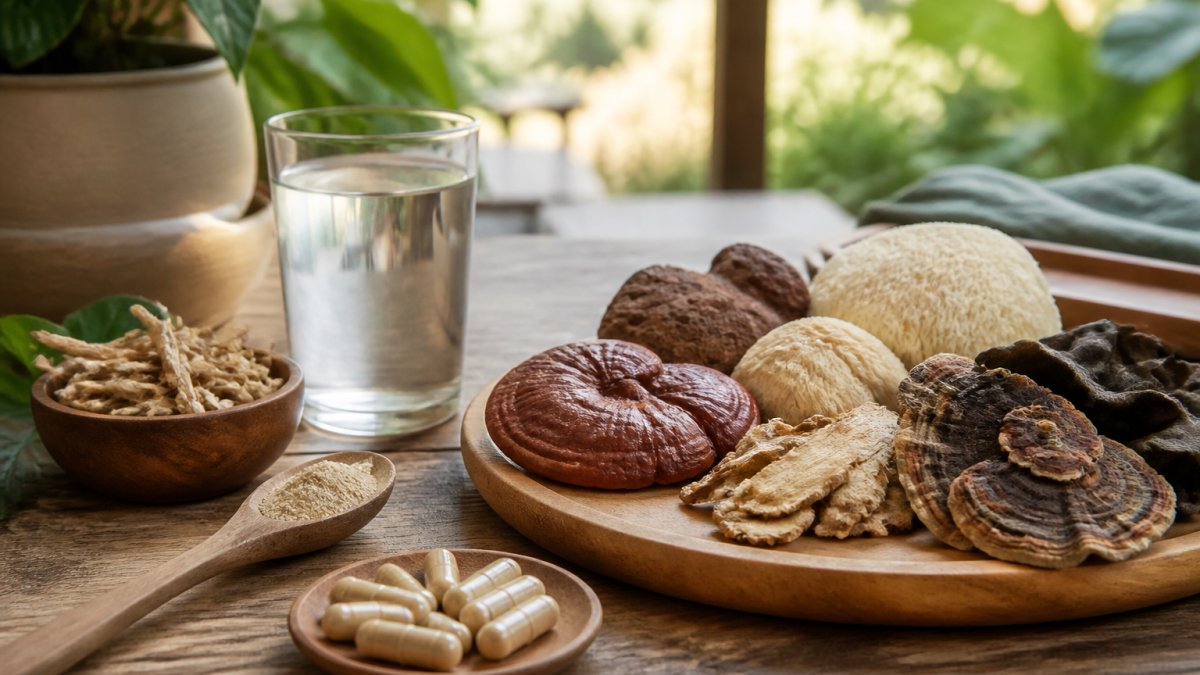
Every parent hits a moment when a sick kid needs fluids and the kitchen feels far away. We built Hydrate Heroes for exactly that moment. Our formula combines six functional mushrooms with premium electrolytes, adds zero sugar, and lands at just five calories per serving. It is plant-based, free of sucralose and erythritol, and mixed in seconds. Get started with Hydrate Heroes and keep your family hydrated the clean way.