 listicle
Healthy Energy Drink Ingredients to Look For
Table of Contents
- Healthy Energy Drink Ingredients: What Actually Matters
- Natural Caffeine Sources for Energy Without the Crash
- The Dangers of Artificial Sweeteners in Energy Drinks
- B Vitamins, Amino Acids, and Herbal Stimulants
- The Benefits of Functional Mushrooms in Hydration
- How to Evaluate an Ingredient Label
- Your Checklist for Clean Energy
- Frequently Asked Questions
Last Updated: September 9, 2026
Healthy Energy Drink Ingredients: What Actually Matters
The market is flooded with cans and powders promising vitality, yet most deliver a predictable spike followed by a hard crash. Understanding the healthy energy drink ingredients to look for is the difference between fueling your body and fighting its natural rhythms.
This guide breaks down what to seek, what to avoid, and how to read labels like a formulator.
The real problem with most energy drinks is not the concept of energy itself, but the execution. High doses of isolated caffeine, liquid sugar, and artificial dyes create a metabolic rollercoaster.
Natural Caffeine Sources for Energy Without the Crash
Caffeine anhydrous, the synthetic form added to most mainstream energy drinks, is designed for rapid dissolution. It enters the bloodstream nearly all at once, producing a sharp spike followed by a rapid withdrawal as the compound is metabolized. That withdrawal is the crash you feel two to three hours later.
Natural caffeine, by contrast, comes bound within a plant matrix. When you consume green tea extract, the caffeine is accompanied by polyphenols like epigallocatechin gallate (EGCG) and L-theanine, which slow hepatic metabolism of caffeine and modulate its effects on the central nervous system. Guarana seed extract is even more distinctive: the caffeine is sequestered in the seed's fibrous structure, so your digestive system must break down that fiber before the caffeine is released. The result is a longer, flatter absorption curve.
The practical difference is measurable. A typical 200 mg dose of anhydrous caffeine peaks in plasma concentration within 30-45 minutes (PubMed). The same dose from guarana seed extract peaks closer to 60-90 minutes and declines more gradually. That difference can translate directly into subjective experience: less jitter, less anxiety, and no sudden drop-off in alertness.
What to look for on a label:
- Green tea extract (Camellia sinensis), Look for a standardized extract that specifies EGCG content, typically 50-90 mg per serving. This indicates the extract was processed to retain the polyphenol fraction, not just the caffeine.
- Guarana seed extract (Paullinia cupana), The seed, not the leaf, is what matters. Guarana leaf contains negligible caffeine compared to the seed. A label that says "guarana" without specifying seed extract may be using a low-potency filler.
- Yerba mate (Ilex paraguariensis), Contains caffeine plus theobromine, a milder methylxanthine that provides a secondary, smoother stimulant effect. Theobromine has a longer half-life than caffeine, which extends the energy curve without intensifying it.
- Green coffee bean extract, Provides chlorogenic acid, which slows glucose release and supports metabolic rate. The caffeine content is lower than roasted coffee, so it is rarely the primary stimulant source in a drink.
What to avoid:
- Caffeine anhydrous, Listed simply as "caffeine" on the ingredient panel. It is the cheapest form and the one most likely to cause a crash.
- Caffeine citrate, A synthetic salt form that is even more rapidly absorbed than anhydrous caffeine. It is sometimes used in medical settings for apnea treatment, not for beverage formulation.
A note on dosage: the FDA recognizes up to 400 mg of caffeine per day as safe for healthy adults, but that is a total daily limit, not a per-serving recommendation. Most clean-formula brands stay in the 80-150 mg range per serving, roughly equivalent to one to two cups of coffee. If a drink contains more than 200 mg per serving, it is a stimulant product, not a functional beverage.
The bottom line: the source of caffeine matters less than the matrix it arrives in. A whole-plant extract with documented polyphenol content will always outperform isolated caffeine, even if the total milligram count is identical.
The Dangers of Artificial Sweeteners in Energy Drinks
Zero sugar is a marketing win only if the replacement isn't worse. Many "sugar-free" drinks rely on artificial sweeteners like sucralose and erythritol to mimic sweetness, and emerging research on gut microbiome disruption is a growing concern.
These sweeteners may trigger an insulin response even without glucose and may alter the balance of gut bacteria over time. This is particularly relevant for individuals following strict keto or paleo diets who are sensitive to anything that might spike blood sugar or cause bloating.
A healthier approach uses plant-based, zero-calorie sweetness that does not ferment in the gut. Stevia and monk fruit are notable exceptions, as they are derived from leaves and fruit rather than synthesized in a lab.
FDA guidance on sweeteners and labeling clarifies that while these additives are "generally recognized as safe," the long-term metabolic effects are still under review. For daily hydration, choosing a formula that excludes these synthetic compounds is a prudent, low-risk decision.
B Vitamins, Amino Acids, and Herbal Stimulants
The B-complex vitamins are the unsung heroes of cellular energy production. They act as coenzymes that help convert food into usable fuel, but they are water-soluble and flushed out of the system quickly. A healthy energy drink should provide a meaningful dose of B vitamins, not just a token amount.
Amino acids like taurine and L-carnitine play distinct roles. Taurine supports electrolyte balance and neurological function, while L-carnitine helps transport fatty acids into the mitochondria for oxidation, which is crucial for endurance athletes. These aren't stimulants; they are metabolic supporters.
Herbal stimulants such as Panax ginseng and ginkgo biloba add a nootropic layer. Ginseng is traditionally used to combat fatigue and support cognitive performance, while ginkgo is associated with improved blood flow and vasodilation. These herbs work on different pathways than caffeine, offering a complementary boost.
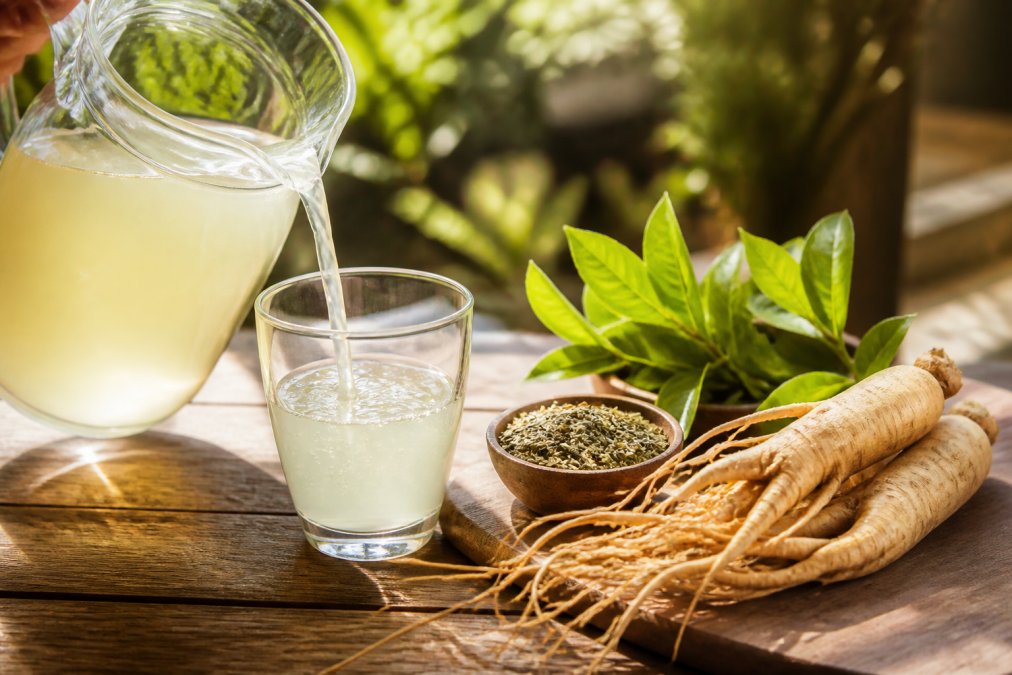
Here is where bioavailability becomes critical. Many brands list a "proprietary blend" that hides the actual dosage of each ingredient. If a label lists ginseng but doesn't tell you the extract ratio or milligrams, you have no way of knowing if it's an effective dose or just a marketing sprinkle.
The Benefits of Functional Mushrooms in Hydration
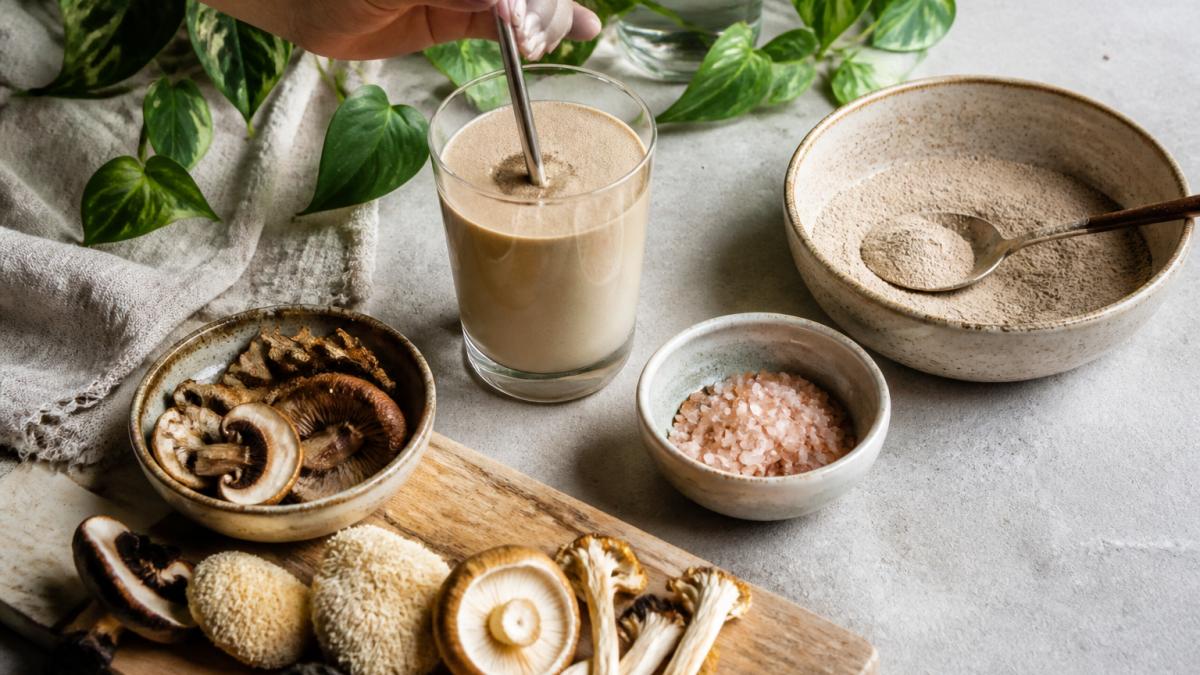
Functional mushrooms like lion's mane and reishi are gaining traction, but their role in hydration is often misunderstood. They are not stimulants; they are adaptogens that help the body manage stress and support immune function, which is essential for recovery after intense exertion.
The synergy between mushrooms and electrolytes is what makes this combination innovative. Electrolyte replenishment addresses physical dehydration, while mushroom compounds like beta-glucans support the cellular stress response. This dual action can provide a more comprehensive recovery drink than standard sports beverages. high quality vitamin supplements.
For the keto and paleo audiences, mushrooms are a welcome addition because they are low-carb and support metabolic flexibility. High-quality extraction methods remove bitter compounds while retaining beneficial polysaccharides, resulting in a clean, neutral flavor profile.
How to Evaluate an Ingredient Label
Most label-reading advice stops at "check the sugar content." That is table stakes. The real skill is identifying what the label is not telling you, and the single biggest blind spot is the proprietary blend.
The FDA allows manufacturers to group ingredients into a "proprietary blend" and list only the total weight of the blend, not the individual amounts of each component. This is legal under 21 CFR 101.36, and it is the most common way brands hide ineffective dosages. If a label says "Proprietary Energy Blend (green tea extract, guarana, ginseng, taurine, L-carnitine): 250 mg," you have no idea whether that is 200 mg of green tea and 10 mg each of the rest, or 50 mg spread evenly. The difference between a functional dose and a marketing sprinkle is often 10x.
Here is the framework that matters:
Step 1: Find the caffeine disclosure. The FDA does not require caffeine content to be listed on the label, only that caffeine be listed as an ingredient. Many brands voluntarily disclose total caffeine per serving. If a product does not disclose it, assume it is either high or inconsistent. For natural caffeine sources, the label should specify the botanical source.
Step 2: Check for "other natural flavors." This phrase is a catch-all that can include synthetic compounds. Under FDA labeling rules, "natural flavor" is derived from a plant or animal source, but the extraction process can involve chemical solvents. More importantly, "natural flavors" can mask the taste of low-quality ingredients. If functional mushrooms or botanical extracts appear after "natural flavors" in the ingredient list, they are present in negligible amounts, ingredients are listed in descending order of weight.
Step 3: Verify the sweetener chemistry. Stevia (Rebaudioside A or Reb M) and monk fruit (mogrosides) are plant-derived, zero-calorie sweeteners. But not all stevia is equal. Stevia leaf extract that is not purified contains stevioside, which has a bitter aftertaste. Purified Reb M is the cleanest-tasting form. If the label says "stevia leaf extract" without specifying the glycoside profile, the taste quality and metabolic effect can vary. Avoid sucralose, which is chlorinated sugar, and erythritol, a sugar alcohol that ferments in the gut and can cause bloating.
Step 4: Examine the electrolyte ratios. Sodium is necessary for hydration, but the standard sports drink model of 200-300 mg per serving is designed for endurance athletes losing salt through sweat. For everyday hydration, look for a sodium-to-potassium ratio near 1:2 or 1:3, with magnesium added for cellular function. A product with high sodium and no potassium or magnesium is not a hydration drink; it is a salt water delivery system.
Step 5: Look for the dosage disclosure. The cleanest brands now voluntarily disclose individual ingredient dosages even when they use a proprietary blend. If a product lists "Lion's Mane Extract (fruiting body): 500 mg" as a standalone ingredient, that is a signal of transparency. If it is buried in a blend, the dose may be subtherapeutic.
The hidden filler test: Look at the total carbohydrate count. A drink that claims to be sugar-free but lists 4-5 grams of carbohydrates is likely using maltodextrin or another digestible filler as a carrier for the proprietary blend. Maltodextrin has a higher glycemic index than table sugar and will spike blood glucose. If the carbs are not from a recognizable source like fruit juice concentrate, they are probably a cheap carrier.
This framework takes about 90 seconds to apply. It will filter out most of the market. The products that survive are the ones that treat the label as a transparency document rather than a legal compliance form.
Your Checklist for Clean Energy
Use this summary table to make your final decision quickly:
| Ingredient Category | What to Look For | What to Avoid | Why It Matters |
|---|---|---|---|
| Caffeine Source | Green tea, guarana extract | Caffeine anhydrous | Smoother absorption curve |
| Sweeteners | Stevia, monk fruit | Sucralose, erythritol | Protects gut microbiome |
| Electrolytes | Balanced sodium, potassium, magnesium | High sodium only | Better cellular absorption |
| Functional Additives | Mushroom extracts, B-complex, taurine | Proprietary blends | Ensures effective dosages |
| Sugar Content | Zero sugar | High fructose corn syrup | Prevents blood sugar spikes |
Choosing the right hydration drink is a matter of aligning the ingredient list with your health goals. The best options move beyond the sugar-and-caffeine model to include ingredients that support long-term wellness, not just a temporary boost.
NIH research on dietary supplements and energy metabolism confirms that the efficacy of these compounds relies heavily on their form and dosage, reinforcing the need for label transparency in the industry. By applying this framework, you can filter out the marketing noise and select a product that genuinely supports your energy levels, focus, and recovery without compromising your dietary standards.
Choosing clean energy is about respecting your body's complex systems rather than overriding them with synthetic shortcuts. Hydrate Heroes offers a plant-based blend of six functional mushrooms and premium electrolytes, delivering zero sugar and just five calories per serving. Our Balanced 88 Gold Sodium™ provides hydration without the excessive sodium found in typical sports drinks, and we never use sucralose or erythritol. Get started with Hydrate Heroes and experience hydration that works with your body, not against it.
Frequently Asked Questions
What is the healthiest energy drink ingredient profile?
The healthiest energy drinks rely on natural caffeine sources like green tea extract instead of synthetic caffeine anhydrous. They should contain B-complex vitamins for energy metabolism, electrolytes for hydration, and avoid added sugar and artificial sweeteners like sucralose and erythritol. Functional ingredients like taurine and adaptogenic mushrooms can support focus and recovery. Look for a clean label with recognizable ingredients and no proprietary blends.
Why should you avoid sucralose and erythritol in energy drinks?
Sucralose and erythritol are common artificial sweeteners linked to digestive discomfort and potential disruption of your gut microbiome. Some studies suggest these sweeteners may impact glucose response and insulin levels. For a healthy energy drink, choose options sweetened with stevia or monk fruit, or those that are completely unsweetened. This is especially important if you follow a keto or paleo diet and want to avoid ingredients that may cause bloating.
Are functional mushrooms safe in energy drinks?
Yes, functional mushrooms like lion's mane, chaga, and reishi are generally recognized as safe for most people. They offer adaptogenic benefits that may support focus, immunity, and stress response without the jitters associated with high caffeine. When choosing a product, verify the mushrooms are from a reputable source and check the label for the specific species and extract type. As with any supplement, consult your doctor if you have underlying health conditions.
What ingredients should I avoid in energy drinks?
Avoid energy drinks with high added sugar, which causes energy crashes, and artificial sweeteners like sucralose, aspartame, and erythritol. Be cautious of synthetic caffeine anhydrous, which absorbs too quickly and can cause jitters. Hidden fillers and proprietary blends can also mask low-quality ingredients. Seek label transparency and choose products that list exact amounts of each component.