 how-to
Electrolyte Drinks for Sensitive Stomachs: A 2026 Guide
Table of Contents
- Why Standard Electrolyte Drinks Upset Sensitive Stomachs
- How to Choose the Best Electrolyte Drink for Sensitive Stomach
- Electrolyte Drinks for IBS: What to Look For and Avoid
- Electrolyte Drinks for Diarrhea: Rehydration That Stays Down
- Low-Sugar Electrolyte Drinks: Do They Help or Hurt Digestion?
- Electrolyte Powders, Tablets, and Ready-to-Drink Options
- Testing Tolerance: How to Introduce Electrolytes Gradually
- Homemade Rehydration Solutions and Everyday Alternatives
- Frequently Asked Questions
Last Updated: October 12, 2026
Why Standard Electrolyte Drinks Upset Sensitive Stomachs
If you have a sensitive stomach, standard electrolyte drinks can work against you. Many popular formulas pack in sugar, artificial sweeteners, and acids that irritate the stomach lining and speed up digestion in the wrong way.
The problem is not electrolytes themselves. Sodium, potassium, and magnesium are exactly what your body needs to hold onto water. The trouble comes from everything mixed in around them.
Common Trigger Ingredients: Sugar, Artificial Sweeteners, and Acids
The biggest offenders in conventional hydration products are easy to spot once you know where to look.
- High sugar content: Large amounts of sugar pull water into the gut and can cause loose stools.
- Artificial sweeteners: Sugar alcohols like sorbitol and mannitol ferment in the colon and trigger gas and bloating (Sorbitol intolerance: an unappreciated cause of functional gastrointestinal complaints).
- Acids and flavorings: Citric acid and strong flavor packs can irritate an already sensitive stomach lining.
- High osmolality: Drinks that are too concentrated empty from the stomach slowly and sit heavy.
For anyone with a sensitive stomach, the goal is a simple formula with fewer triggers. That usually means low sugar, no sugar alcohols, and a sodium level that matches what your body actually loses.
How to Choose the Best Electrolyte Drink for Sensitive Stomach
The best electrolyte drink for a sensitive stomach is one with low sugar, no artificial sweeteners, and a simple ingredient list. Start by reading the label, not the front of the package. The front tells a story; the back tells the truth.
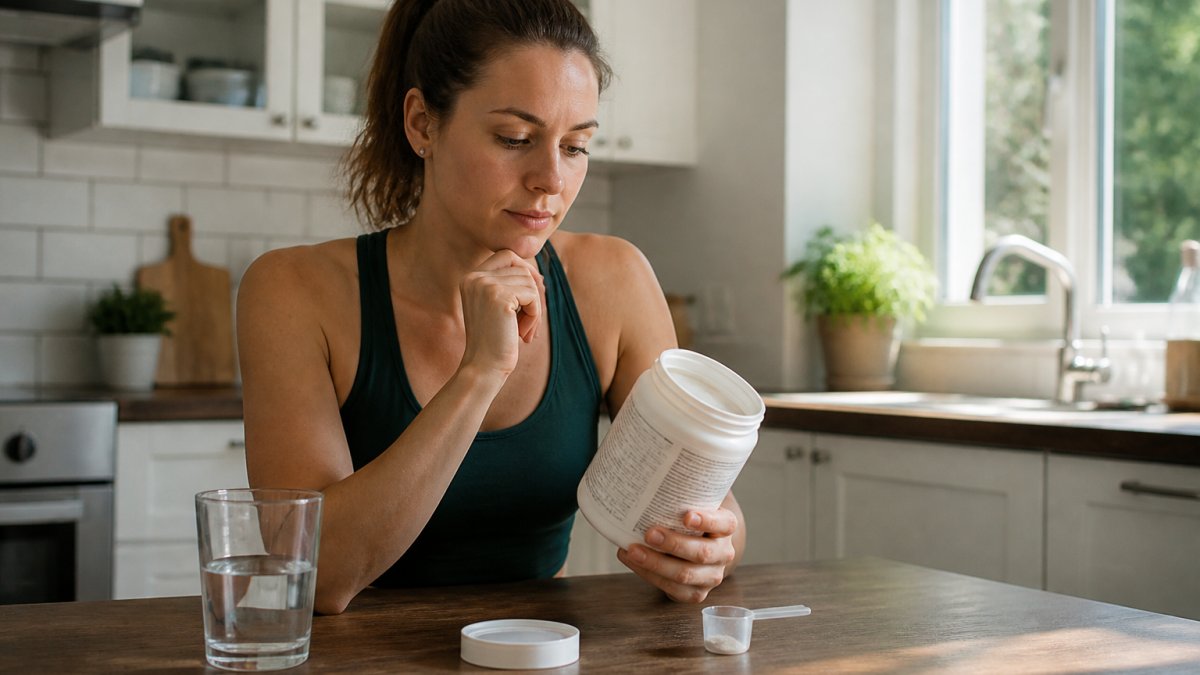
Look for these traits:
- Fewer than six ingredients
- Sodium as the main electrolyte
- No sucralose, erythritol, or sugar alcohols
- No artificial colors or dyes
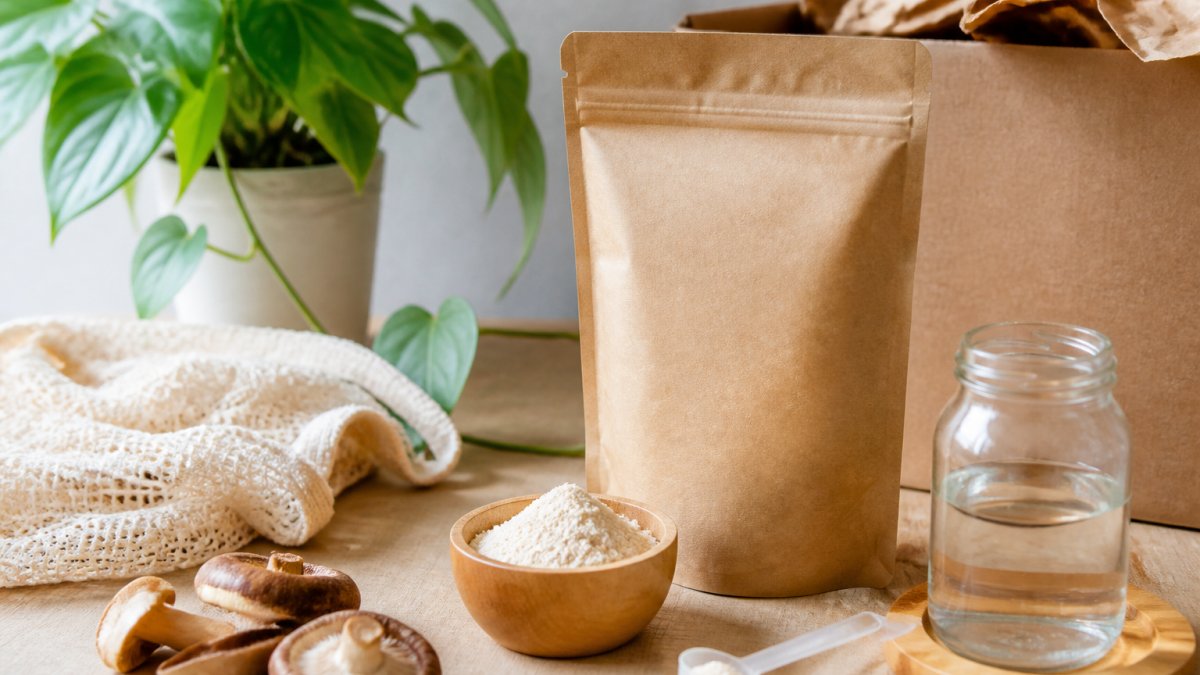
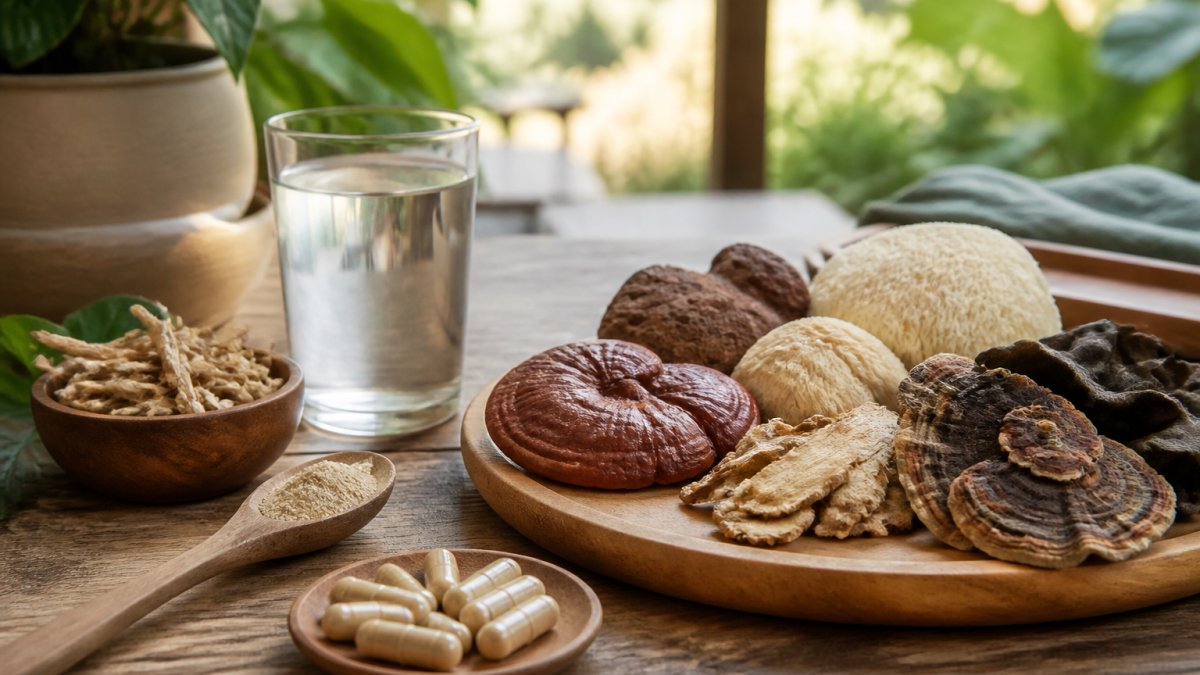
Our powder uses Balanced 88 Gold Sodium™, skips sucralose and erythritol, and adds six functional mushrooms for a cleaner hydration mix.
A Symptom-Based Selection Framework
Different symptoms point to different needs. Use this simple framework to match your drink to your cause.
| Symptom or Cause | What to Prioritize | What to Avoid |
|---|---|---|
| Bloating after drinks | Low sugar, no sugar alcohols | Sorbitol, erythritol, sucralose |
| Diarrhea or stomach bug | Higher sodium, low sugar | Juice, high-fructose corn syrup |
| IBS flare-ups | Simple ingredients, low FODMAP | Artificial sweeteners, acids |
| Nausea | Small sips, mild flavor | Strong flavors, carbonation |
| Exercise cramps | Sodium and potassium | Heavy sugar loads |
Electrolyte Drinks for IBS: What to Look For and Avoid
For IBS, the safest electrolyte drinks are low in FODMAPs and free of sugar alcohols. FODMAPs are short-chain carbs that ferment in the gut, and many sweeteners used in sports drinks fall right into that category.
Watch for these common IBS triggers:
- Sorbitol, mannitol, and xylitol: These sugar alcohols ferment and cause gas.
- High-fructose corn syrup: Fructose is poorly absorbed and can trigger symptoms.
- Inulin and chicory root: Often added as "prebiotic fiber," these are high-FODMAP.
A gentler choice keeps the ingredient list short. Plain sodium, potassium, and magnesium with a mild flavor tend to sit well. If a product lists more than a handful of additives, treat it with caution.
Electrolyte Drinks for Diarrhea: Rehydration That Stays Down
Diarrhea drains fluid and electrolytes fast, and plain water is not enough to replace them. Every loose stool carries away sodium, potassium, chloride, and bicarbonate along with water. Replacing the water without replacing the salt can leave you more depleted, not less.
The reason is osmotic. When you drink plain water during diarrhea, it moves toward whatever solute is left in the gut and can pass straight through.
What the Ratio Actually Looks Like
A standard oral rehydration solution is built around a specific balance, not a general "electrolyte blend." The widely used formula targets roughly:
- Sodium: about 75 mmol/L (roughly 1,700 mg per liter)
- Glucose: about 75 mmol/L (roughly 13.5 g per liter)
- Potassium: about 20 mmol/L
- Chloride: about 65 mmol/L
The oral rehydration salts guidance from the World Health Organization describes this low-osmolality formula as the standard for replacing fluid lost to diarrhea. The key detail for a sensitive stomach is that the glucose is there to drive sodium absorption, not to sweeten the drink. A sports drink with 30-40 g of sugar per bottle overshoots that glucose target several times over and can pull more water into the gut.
How This Differs From a Sports Drink
| Feature | Oral Rehydration Solution | Typical Sports Drink |
|---|---|---|
| Sodium per liter | ~1,700 mg | ~400-500 mg |
| Glucose per liter | ~13.5 g | ~60 g |
| Osmolality | ~245 mOsm/L | ~300-400 mOsm/L |
| Purpose | Replace illness losses | Replace sweat losses |
For a stomach bug or a bout of diarrhea, the oral rehydration solution profile is the better match. A general wellness powder or sports drink can work for mild cases, but it usually needs to be diluted and paired with a salty snack to approach the right sodium level.
A Cautious How-To Protocol
When your stomach is already unsettled, the goal is to get fluid in without triggering another wave of nausea or cramping. A common clinical approach looks like this:
- Start with one teaspoon every one to two minutes. That is roughly 5 mL per sip, small enough that the stomach does not register a volume load.
- Work up to one tablespoon every few minutes if the first ten minutes sit well. A tablespoon is about 15 mL.
- Aim for a few ounces per hour at first, then increase as tolerated. Chugging a full glass is the fastest way to lose ground.
- Serve it cool, not ice cold. Cold fluids are usually easier to keep down than room-temperature ones, but ice-cold can trigger cramping in some people.
- Stop and rest for 20-30 minutes if nausea returns, then resume at the smaller sip size.
- Alternate with a plain water sip only if you are also eating salty food. Otherwise, the rehydration solution is doing the work water cannot.
When to Skip the Drink and Seek Care
Rehydration at home is appropriate for mild illness in otherwise healthy adults. It is not appropriate for everyone. Seek medical care if you see:
- Signs of significant dehydration: very dark urine, no urine for eight or more hours, dizziness on standing, sunken eyes, or a dry mouth that does not improve with sips
- Persistent vomiting that keeps you from holding down any fluid for more than a few hours
- Bloody or black stools, or diarrhea with a high fever
- Diarrhea lasting more than two days in an adult, or more than about a day in a child
For those groups, a clinician can advise on the right solution and whether an over-the-counter oral rehydration product or a prescription-strength formula is needed. A wellness powder is not a substitute for medical guidance in those cases.
Low-Sugar Electrolyte Drinks: Do They Help or Hurt Digestion?
Low-sugar electrolyte drinks usually help digestion, not hurt it. Sugar slows stomach emptying and can pull water into the gut. Cutting it back often makes a drink easier to tolerate.
That said, "low sugar" is not the same as "no sugar." A small amount of glucose can actually help your body absorb sodium and water faster.
Here is how to judge a low-sugar option:
- Check total sugars per serving, not per container
- Look for zero added sugar rather than "reduced sugar"
- Confirm no artificial sweeteners replaced the sugar
- Watch for sugar alcohols hiding under "-ol" names
Hydrate Heroes takes the zero-sugar route with only five calories per serving.
Electrolyte Powders, Tablets, and Ready-to-Drink Options
Each format suits a different situation, and the right pick depends on where and when you need it. Powders give you the most control over strength. Tablets are easy to carry. Ready-to-drink bottles are the most convenient but often carry the most additives.
| Format | Best For | Watch Out For |
|---|---|---|
| Powder | Custom strength, home use | Scoop size and mixing |
| Tablets | Travel, gym bags | Fizz and added acids |
| Ready-to-drink | On the go | Sugar, dyes, preservatives |
| Concentrated drops | Mild flavor needs | Easy to over-pour |
Powders tend to win for sensitive stomachs because you can dilute them. If a full scoop feels strong, use half. You stay in control of the concentration.
Testing Tolerance: How to Introduce Electrolytes Gradually
Introduce electrolytes slowly, starting with a quarter or half serving, and watch how your body responds over a few days. Jumping straight to a full scoop is the fastest way to trigger a reaction you could have avoided.
Follow this order:
- Start with a half scoop in a full glass of water.
- Drink it in the morning on an empty-ish stomach.
- Note any bloating, gas, or cramping within two hours.
- If you feel fine, repeat for two more days.
- Move to a full scoop only if the half serving sat well.
Keep a short log of what you drank and how you felt. Patterns show up fast. If a specific ingredient keeps causing trouble, you can rule it out.
Homemade Rehydration Solutions and Everyday Alternatives
You can make a simple rehydration drink at home with items already in your kitchen. The Centers for Disease Control and Prevention's advice on rehydration notes that plain water alone may not replace lost electrolytes during illness.
Everyday alternatives worth trying:
- Coconut water: Naturally rich in potassium but lower in sodium.
- Broth: Good sodium source, easy on the stomach.
- Electrolyte-infused water: Light and mild, good for daily use.
- Mushroom-based powders: Plant-based and low in sugar.
Homemade mixes work in a pinch, but they are hard to measure precisely. For daily hydration, a measured powder takes the guesswork out.
Frequently Asked Questions
What is the best electrolyte drink for a sensitive stomach?
The best electrolyte drinks for sensitive stomachs are low in sugar, free from artificial sweeteners like sucralose and erythritol, and contain a balanced mix of sodium, potassium, and magnesium. Look for options with minimal ingredients and no added acids or flavors that can irritate the stomach lining. Powders that dissolve completely in water and allow you to control dilution are often easier to tolerate than ready-to-drink solutions.
Are sugar-free electrolyte drinks easier on the stomach?
Sugar-free electrolyte drinks can be easier on the stomach for some people, especially those with IBS or sensitive digestion, because high sugar concentrations can draw water into the intestines and cause bloating or diarrhea. However, some sugar-free products use sugar alcohols like erythritol or artificial sweeteners like sucralose, which may trigger GI upset in sensitive individuals. Check labels for these ingredients and opt for products sweetened with stevia or monk fruit instead.
What ingredients in electrolyte drinks should I avoid if I have IBS?
If you have IBS, avoid electrolyte drinks containing high-fructose corn syrup, sorbitol, mannitol, xylitol, and other sugar alcohols, as these are FODMAPs that can ferment in the gut and cause bloating, gas, and diarrhea. Also steer clear of artificial sweeteners like sucralose and saccharin, which may alter gut bacteria. Choose drinks with simple ingredients: electrolytes, water, and natural flavors without added sugars or polyols.
When should you use an oral rehydration solution instead of a sports drink?
Use an oral rehydration solution (ORS) when you are dehydrated from diarrhea, vomiting, or fever, as ORS has a specific ratio of sodium, glucose, and water that enhances fluid absorption. Sports drinks are designed for sweat loss during exercise and often contain too much sugar and too little sodium for illness-related dehydration. For stomach bugs, look for an ORS with around 75 mEq/L sodium and 75 mmol/L glucose, or a low-sugar electrolyte powder that you can mix to a similar concentration.
A sensitive stomach should not stop you from staying hydrated. The right formula makes the difference between relief and regret, and most standard drinks simply were not built for a delicate gut. Hydrate Heroes offers a plant-based option with six functional mushrooms, Balanced 88 Gold Sodium™, zero sugar, and no sucralose or erythritol, all at just five calories per serving. Get started with Hydrate Heroes and hydrate without the stomach drama.