 listicle
Best Natural Energy Drinks for Endurance Athletes
Table of Contents
- What Makes a Natural Energy Drink Work for Endurance
- Electrolyte Powder for Endurance Athletes: What to Look For
- Benefits of Functional Mushrooms for Athletes
- How to Choose an Endurance Energy Drink
- When and How to Use Natural Energy Drinks During Training
- Gut Health, Caffeine Sensitivity, and DIY Options
- Conclusion
- Frequently Asked Questions
Last Updated: September 16, 2026
What Makes a Natural Energy Drink Work for Endurance
A natural energy drink for endurance athletes delivers caffeine from plant sources, electrolytes for hydration, and fuel without synthetic additives. The best natural energy drinks for endurance athletes combine a clean stimulant, balanced electrolytes, and ingredients that support sustained energy rather than a spike and crash.
This guide breaks down what matters when choosing between products, from caffeine source to electrolyte ratios to the additives most labels bury in fine print.
Here's the uncomfortable truth most product pages skip: the word "natural" on a label means very little on its own.
Natural vs. Synthetic Caffeine Sources
Caffeine is caffeine at the molecular level, whether from a lab or a leaf. The difference lies in what else travels with it.
Sugar, Sweeteners, and Blood Glucose Levels
Sugar is the most misunderstood ingredient in sports drinks. Fast carbs help short, intense efforts, but a big sugar load during long sessions can spike blood glucose and leave you flat an hour later.
Electrolyte Powder for Endurance Athletes: What to Look For
An electrolyte powder for endurance athletes should replace what you lose in sweat: primarily sodium, with potassium and magnesium in supporting roles. The right ratio depends on your sweat rate, climate, and how long you're moving.
When you're comparing options, look for:
- Sodium content per serving that matches your sweat losses, not a token sprinkle
- Potassium and magnesium for muscle function and cramp resistance
- No added sugar if you want to control blood glucose
- No artificial sweeteners if gut comfort is a priority
- A clean label with ingredients you can pronounce
Sodium, Potassium, and Osmolarity Explained
Osmolarity is the concentration of dissolved particles in a liquid relative to your blood. Drinks that are too concentrated pull water into your gut instead of absorbing it, causing mid-race bloating.
Benefits of Functional Mushrooms for Athletes
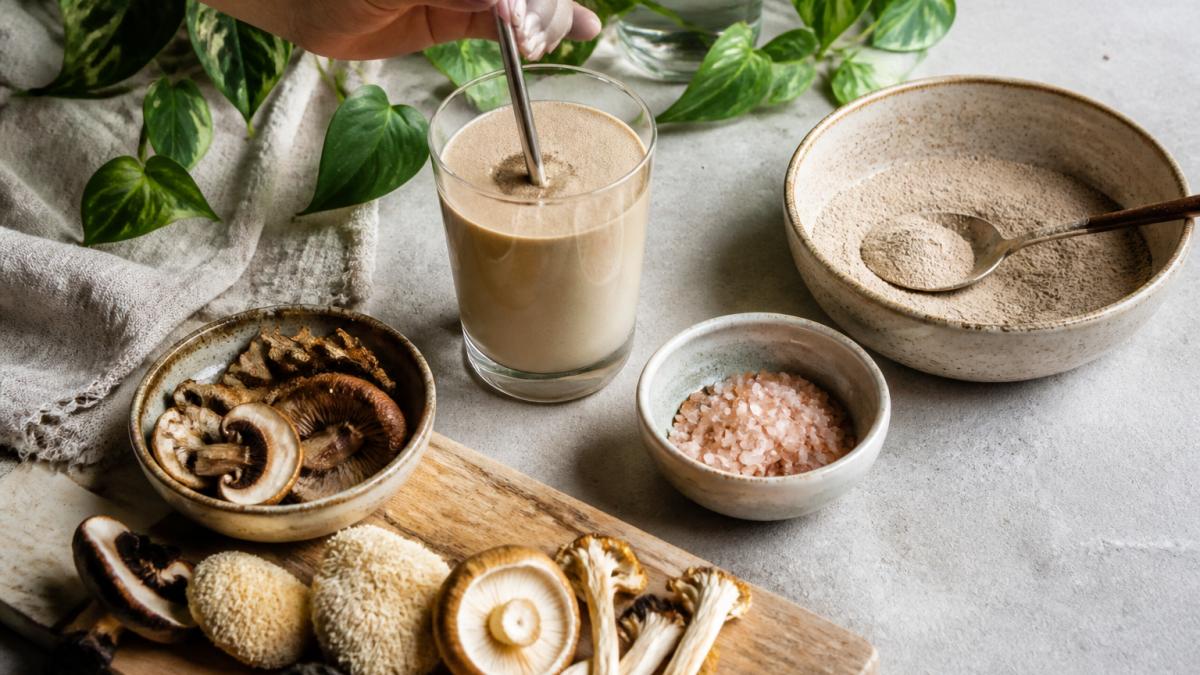
The benefits of functional mushrooms for athletes center on adaptogenic support, oxidative stress management, and recovery, not stimulation. Reishi, cordyceps, and lion's mane are not caffeine substitutes; they work on the resilience side of the equation, which breaks down during a heavy training block.
Here's the mechanism-level version most product pages skip.
Adaptogens, Oxidative Stress, and Recovery
Adaptogens help the body manage physical stress, which for endurance athletes is constant: training intensity, heat, altitude, and the cumulative load of a season. The practical question is whether they fit into a routine you'll actually keep.
- Mushrooms are not a substitute for sleep, calories, or electrolytes. No adaptogen fixes under-fueling.
- Dose and extract quality vary wildly. A token sprinkle of mushroom powder in a can is not the same as a concentrated extract.
- Effects are cumulative, not acute. You will not feel cordyceps on the first scoop the way you feel caffeine. The pattern most athletes report is a difference over weeks, not minutes.
- Beta-glucan content is the marker worth checking on reishi and lion's mane products, since it reflects the actual fungal material rather than mycelium grown on grain.
How to Choose an Endurance Energy Drink
Choosing an endurance energy drink comes down to matching the product to your event, gut, and goals. There's no single best option for everyone, but there is one for your situation.
Work through these questions before you buy:
- How long is your effort? Under 60 minutes, water and a small caffeine dose may be enough. Over 90 minutes, electrolytes and sustained energy matter more.
- How much do you sweat? Heavy sweaters need more sodium. Light sweaters can overdo it.
- How sensitive are you to caffeine? If you're jittery after one cup of coffee, a high-dose pre-workout will wreck your session.
- What does your gut tolerate? Artificial sweeteners and sugar alcohols cause bloating for many athletes.
- What's your dietary framework? Keto, paleo, and vegan athletes need to check every ingredient line.
| Priority | What to Look For | Why It Matters |
|---|---|---|
| Sustained energy | Natural caffeine from green tea or yerba mate | Smoother curve, fewer crashes |
| Hydration | Balanced sodium, potassium, magnesium | Replaces actual sweat losses |
| Gut comfort | No sucralose, no erythritol | Fewer mid-effort stomach issues |
| Recovery support | Functional mushrooms, adaptogens | Helps manage oxidative stress |
| Clean label | Short, recognizable ingredient list | Less risk of hidden additives |
When and How to Use Natural Energy Drinks During Training
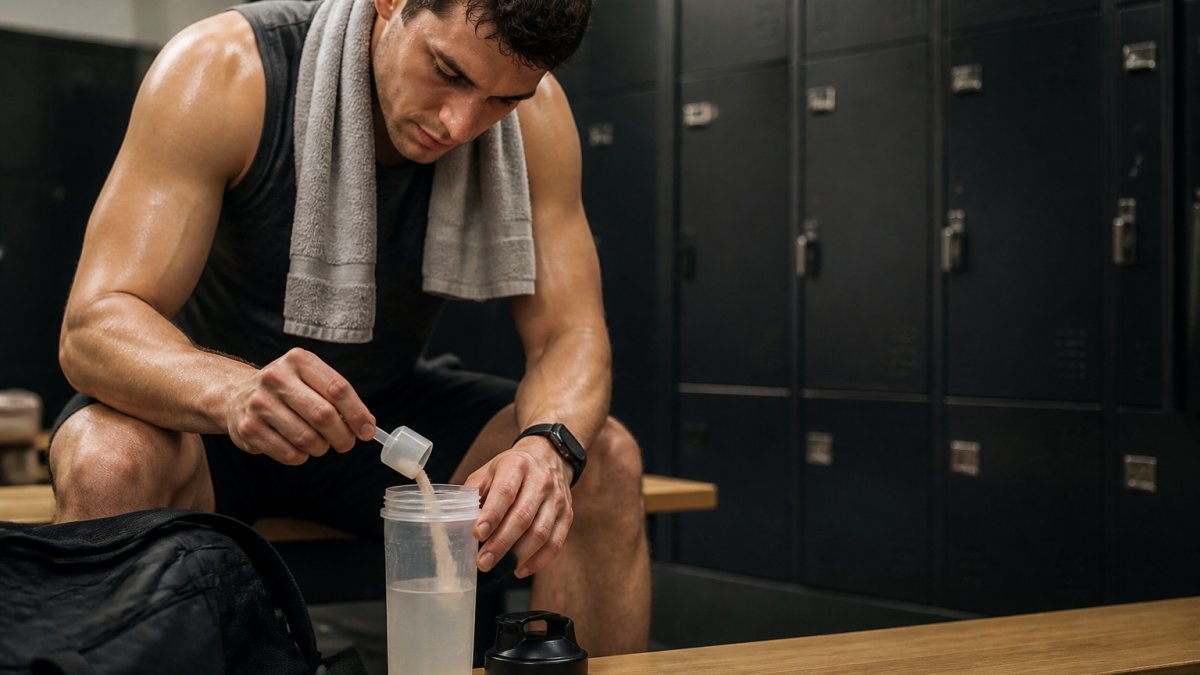
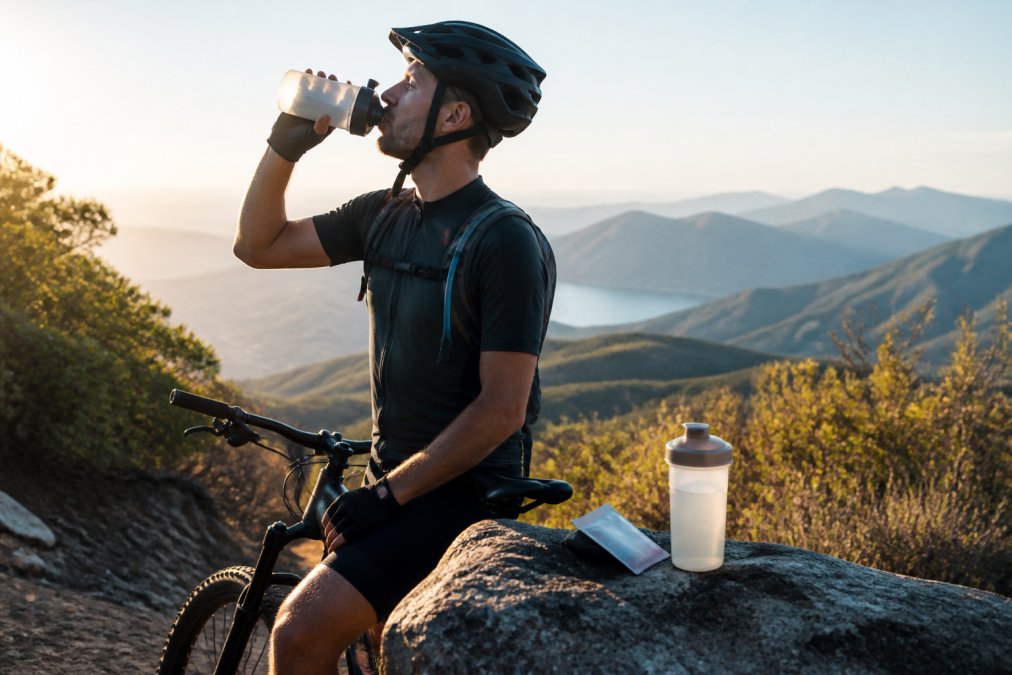
Timing a natural energy drink well means treating it as part of your fueling plan, not an afterthought. Start hydrating before you feel thirsty, and match intake to the length and intensity of the session.
Caffeine Dose by Body Weight and Intensity
Caffeine sensitivity varies widely based on genetics and metabolic rate. Some athletes clear caffeine quickly and can dose late in the day; others feel a single espresso for eight hours. A common starting framework used by sports practitioners:
- Low sensitivity (you drink coffee daily without jitters): roughly 3 mg per kilogram of body weight before a long effort.
- Moderate sensitivity: roughly 1.5 to 2 mg per kilogram.
- High sensitivity (jittery after one cup): 0.5 to 1 mg per kilogram, or skip caffeine entirely and lean on electrolytes plus a small carbohydrate source.
Two rules that matter more than the number:
- Test the dose on a training day, not race day. The right dose is the highest one that doesn't wreck your gut or your sleep.
- Front-load, don't stack. A single dose 45 to 60 minutes before the start, plus a small top-up in the final third of a long session, beats sipping caffeine the whole way.
Gut Training: The Variable Nobody Trains
Gut health during endurance is about osmolarity and additives. Drinks that are too concentrated, or that contain sweeteners your gut doesn't tolerate, sit heavy and cause cramping. This is why many athletes move toward simpler, cleaner formulas as their training volume climbs.
-
Weeks 1-2: Practice drinking 16 to 24 oz per hour of a mixed electrolyte drink on easy long runs or rides.
-
Weeks 3-4: Add a small carbohydrate source (a gel, chews, or a carb-containing drink) at the same time.
-
Race week: Do nothing new. Your gut already knows the plan.
-
60 to 90 minutes before: Light hydration with electrolytes. Skip a heavy caffeine dose if you're sensitive.
-
During, for sessions over an hour: Sip steadily, roughly every 15 to 20 minutes, rather than chugging at once.
-
Final third of a long session: A small caffeine top-up can help with fatigue resistance if your gut tolerates it.
-
After: Rehydrate with electrolytes and pair with protein and carbs for glycogen replenishment.
Gut Health, Caffeine Sensitivity, and DIY Options
Gut health and caffeine sensitivity derail more endurance athletes than any other factor. You can have a perfect formula on paper and still spend your race in a porta-potty line if it doesn't suit your body.
DIY Natural Energy Drink Recipes
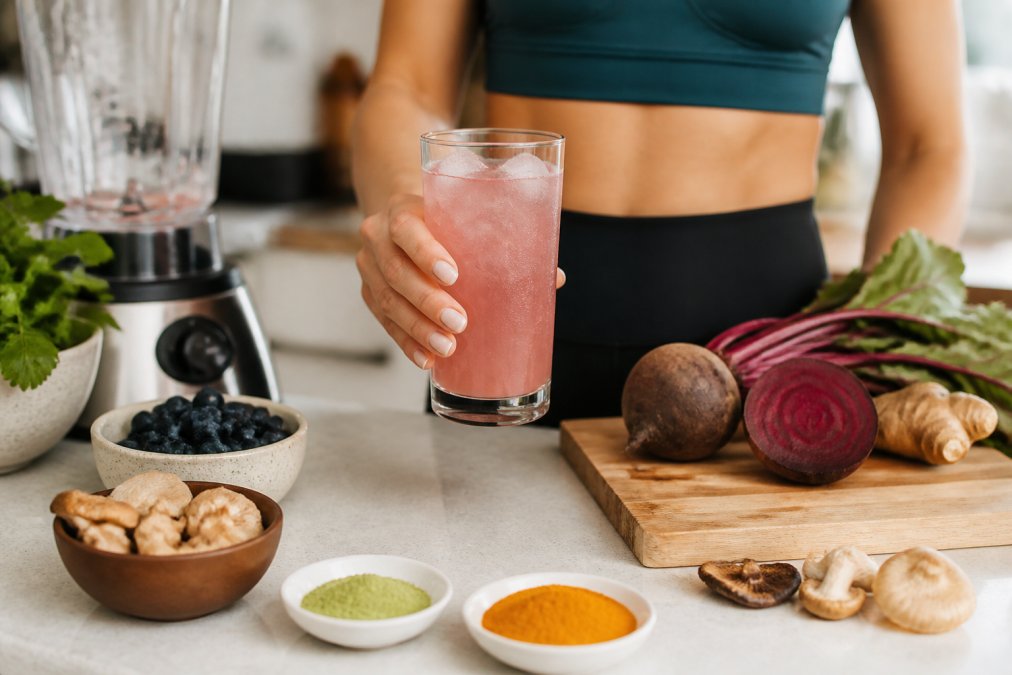
A homemade endurance drink gives you full control over every ingredient. Two base recipes you can adjust to your sweat rate and taste:
Citrus Electrolyte Base
- 16 oz water
- 1/4 tsp sea salt
- 1/4 tsp potassium chloride powder
- Juice of half a lemon
- Optional: 1 tsp raw honey for shorter efforts
Natural Caffeine Boost
- 8 oz brewed green tea or yerba mate, cooled
- 8 oz water
- Pinch of sea salt
- Squeeze of lime
Conclusion
The gap between a natural energy drink that works and one that just has a green label comes down to three things: where the caffeine comes from, what the electrolyte ratio delivers, and whether your gut tolerates the rest of the ingredient list. Get those right and you'll feel the difference in the final hour of a long session, when most athletes fade.
Frequently Asked Questions
What ingredients should endurance athletes avoid in energy drinks?
Avoid artificial sweeteners like sucralose and erythritol, which can disrupt gut bacteria and cause bloating during long efforts. Skip high-fructose corn syrup, which spikes blood glucose and triggers crashes. Synthetic caffeine anhydrous absorbs too fast for sustained energy. Also watch for artificial colors and preservatives that add no performance value. A clean label with natural caffeine, electrolytes, and no sugar alcohols is the safer choice for athletes logging high weekly mileage.
How do functional mushrooms support endurance exercise?
Functional mushrooms like cordyceps and reishi may support endurance by improving oxygen utilization and reducing oxidative stress. Cordyceps has been studied for its potential to increase ATP production, which fuels muscle contractions. Reishi and lion's mane offer adaptogenic support for recovery and mental focus. Combined with electrolytes, mushrooms provide stimulant-free energy that doesn't tax the adrenal system. Athletes sensitive to caffeine often find mushroom-based formulas give steadier stamina without jitters.
Are natural energy drinks effective for long-distance performance?
Yes, when formulated with the right ingredients. Natural caffeine from green tea extract or yerba mate provides sustained energy with a gentler curve than synthetic caffeine. Paired with electrolytes for hydration status and carbohydrates for glycogen replenishment, natural drinks can match synthetic options for endurance performance. The key is matching the drink to your sweat rate and intensity. For efforts over 90 minutes, combine natural caffeine with sodium and potassium to maintain electrolyte balance.
How much caffeine is safe for endurance athletes?
Most sports nutrition guidelines suggest 3 to 6 milligrams of caffeine per kilogram of body weight taken 30 to 60 minutes before exercise. For a 150-pound athlete, that's roughly 200 to 400 milligrams. Natural sources like green tea extract and yerba mate deliver caffeine more gradually, which may reduce jitters. Individual sensitivity varies based on metabolic rate and genetics. Start low, track how you feel, and avoid stacking multiple caffeinated products on race day.