 ultimate-guide
Sugar Free Isotonic Drink: The 2026 Clean Hydration Guide
Table of Contents
- What Makes a Drink Isotonic (And Why Sugar-Free Matters)
- Electrolyte Powder Without Stevia: What to Look For Instead
- The Benefits of Functional Mushrooms in Hydration Powders
- How to Read Electrolyte Supplement Labels Like a Pro
- Dosage Guidelines by Sweat Rate: How Much Do You Actually Need?
- Ingredients to Avoid in Sugar-Free Isotonic Drinks
- Sugar-Free vs. Sugar-Containing Isotonic Drinks: When to Choose Each
- Frequently Asked Questions
Last Updated: September 12, 2026
What Makes a Drink Isotonic (And Why Sugar-Free Matters)
A sugar free isotonic drink is a beverage formulated to match the body's natural fluid balance without added sugar, delivering electrolytes at concentrations the body can absorb efficiently during and after physical activity.
The word "isotonic" describes a solution with the same osmotic pressure as your blood, typically around 280-300 mOsm/kg (peer-reviewed research). That balance matters because it determines how quickly fluid moves from your gut into your bloodstream.
Osmolarity, Fluid Absorption, and the Sugar Question
Osmolarity is the concentration of dissolved particles in a solution, and it directly controls how fast your body absorbs what you drink. Beverages fall into three categories:
- Hypotonic (below blood concentration): absorbs fastest, ideal for rapid rehydration
- Isotonic (matching blood concentration): balanced absorption with electrolyte replacement
- Hypertonic (above blood concentration): slows gastric emptying, best reserved for post-exercise glycogen replenishment
Traditional isotonic drinks use glucose to hit that concentration. The problem is that sugar also drives an insulin response, which works against the steady energy endurance athletes want. Removing sugar means reformulating with electrolytes and alternative sweeteners to preserve osmolarity without the metabolic cost.
Electrolyte Powder Without Stevia: What to Look For Instead
An electrolyte powder without stevia still needs to taste drinkable, which is why formulators reach for other natural sweeteners. The key is choosing options that don't spike blood glucose or feed gut bacteria the way some sugar alcohols do. Most articles stop at "no sugar" and never explain what the replacement sweetener actually does to insulin response, that's the part that matters for athletes.
Why Some People Are Moving Away from Stevia
Stevia is plant-derived and calorie-free, which made it the default for years. A common complaint is a lingering bitter or licorice-like aftertaste that varies by brand and extraction method. Some people also report digestive discomfort at higher doses. These aren't universal reactions, but they're common enough that formulators have started exploring alternatives.
Glycemic Index and Insulin Response: What the Sweetener Actually Does
The glycemic index (GI) measures how quickly a food raises blood glucose on a scale where pure glucose is 100. Sugar-free sweeteners used in hydration powders generally fall into three buckets:
- Zero-glycemic sweeteners (monk fruit, stevia, sucralose): not metabolized as carbohydrate, so they contribute no measurable glucose load. Monk fruit's sweetness comes from mogrosides, which the body does not break down into glucose.
- Low-glycemic rare sugars (allulose, tagatose): absorbed but only partially metabolized, so they contribute minimal calories and a GI near zero. Allulose is not counted as added sugar on a U.S. Nutrition Facts label.
- Sugar alcohols (erythritol, xylitol, sorbitol, maltitol): variable GI and the most common cause of bloating and laxative effects at higher doses.
The practical takeaway for athletes: a sweetener with a GI near zero won't trigger the insulin spike that a glucose-based isotonic drink does. That matters most for steady energy during long efforts and for anyone managing blood sugar. It does not, however, mean the drink provides fuel, sugar-free means you'll need to get carbohydrate elsewhere if the session runs long.
Monk Fruit, Allulose, and Other Natural Sweetener Options
Monk fruit extract delivers sweetness from mogrosides, compounds that don't affect blood glucose. Allulose is a rare sugar the body absorbs but doesn't fully metabolize, so it contributes minimal calories and has a glycemic index near zero. Both work well in hydration powders, though allulose can cause digestive upset in large amounts, a common pattern is discomfort above roughly 10-15 grams per serving for sensitive individuals.
For anyone managing blood sugar, the glycemic index of the sweetener matters as much as the electrolyte content. Monk fruit and allulose both keep that number low.
A Quick Sweetener Comparison
| Sweetener | Source | Glycemic Impact | Common Trade-off |
|---|---|---|---|
| Monk fruit | Plant (mogrosides) | None measurable | Clean taste; costlier |
| Allulose | Rare sugar | Near zero | GI upset at high doses |
| Stevia | Plant (steviol glycosides) | None measurable | Bitter/licorice aftertaste |
| Erythritol | Sugar alcohol | Near zero | Digestive and cardiovascular scrutiny |
| Sucralose | Synthetic | None measurable | Gut bacteria concerns in some research |
FDA guidance on high-intensity sweeteners
The Benefits of Functional Mushrooms in Hydration Powders
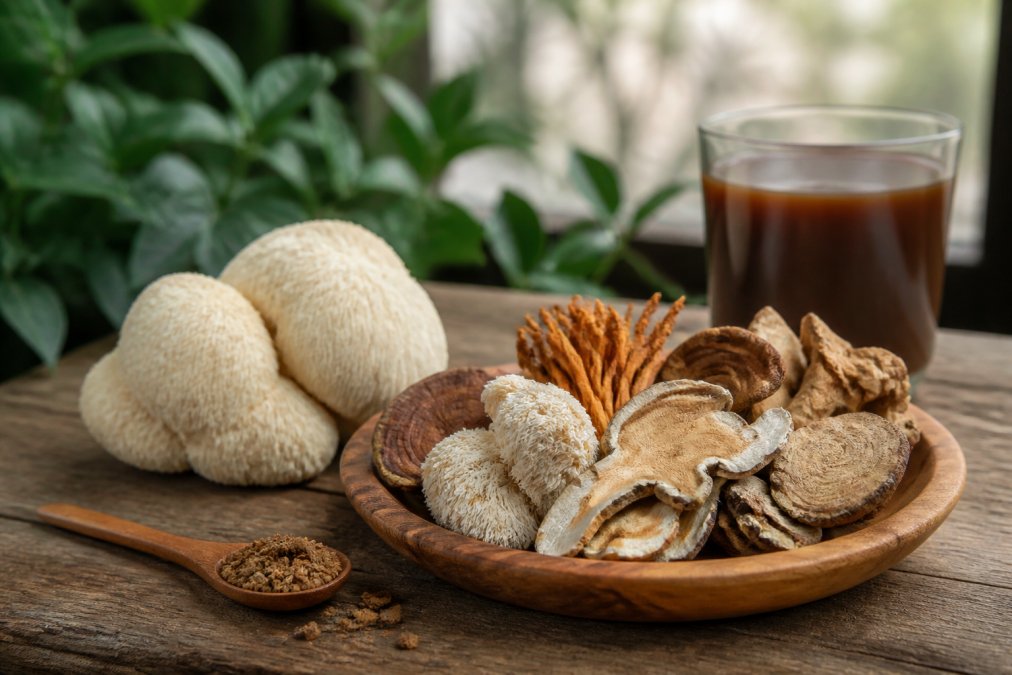
Functional mushrooms bring adaptogenic compounds to a category that previously offered nothing beyond electrolytes and flavoring. Varieties like lion's mane, cordyceps, and reishi have been studied for their effects on focus, stamina, and stress response.
The benefits of functional mushrooms in a hydration context come down to what they add without adding sugar or stimulants. Cordyceps is often included for endurance support. Lion's mane is associated with cognitive clarity, which appeals to people who want focus without caffeine. Reishi rounds out formulas aimed at recovery and calm.
Hydrate Heroes combines six functional mushrooms with premium electrolytes. The trade-off is that mushroom flavor can be earthy, so formulation and masking matter. A clean label doesn't help if you dread drinking it.
How to Read Electrolyte Supplement Labels Like a Pro
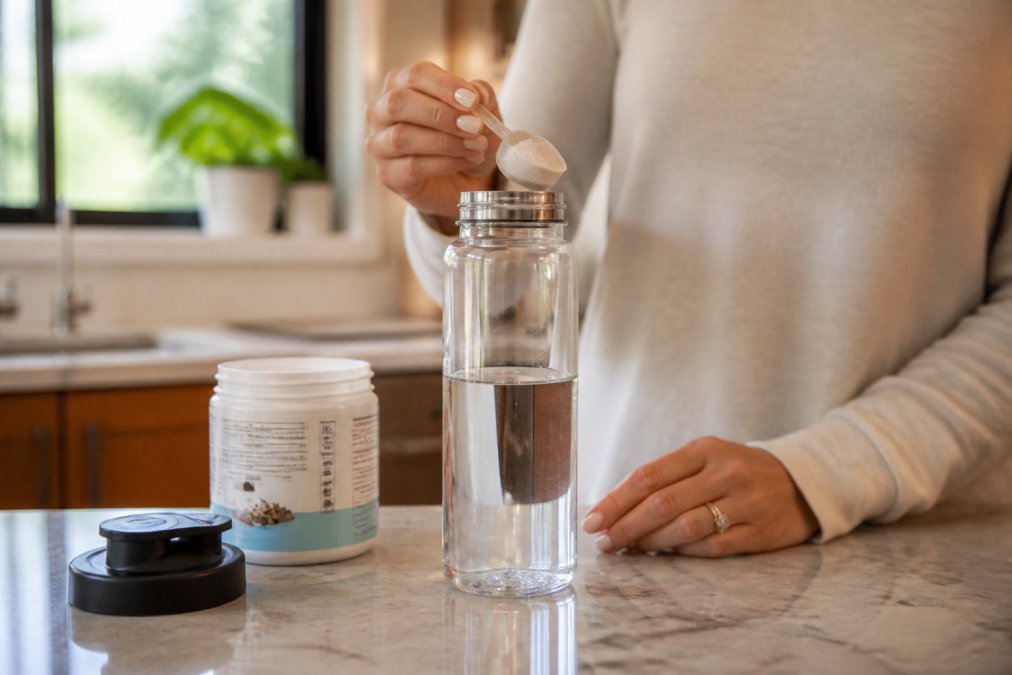
Reading an electrolyte supplement label comes down to three numbers: sodium, potassium, and magnesium, plus a scan of the sweetener and additive list. Most labels bury the useful information under marketing claims.
Sodium, Potassium, Magnesium: What the Numbers Actually Mean
Sodium is the primary electrolyte lost in sweat and the one most formulas underdose. Potassium supports muscle contraction and fluid balance inside cells. Magnesium plays a role in over 300 enzymatic reactions, including energy metabolism and muscle relaxation.
When comparing products, check whether the label lists elemental magnesium or a compound like magnesium citrate. Elemental values are what your body actually absorbs.
| Label Element | What to Check | Why It Matters |
|---|---|---|
| Sodium | Milligrams per serving | Primary sweat electrolyte; most formulas underdose |
| Potassium | Milligrams per serving | Muscle contraction and cellular fluid balance |
| Magnesium | Elemental vs. compound form | Determines actual absorption |
| Sweetener | Monk fruit, allulose, stevia, sucralose | Affects glycemic response and gut comfort |
| Additives | Colors, preservatives, fillers | Long-term gut health considerations |
Dosage Guidelines by Sweat Rate: How Much Do You Actually Need?
Electrolyte dosage should scale with how much you sweat, not a fixed number on a label. A heavy sweater training in heat can lose far more sodium than someone doing light exercise indoors. Most guides say "drink when thirsty" and stop there. Here's how to actually calculate your numbers.
Step 1: Estimate Your Sweat Rate
Weigh yourself (nude, dry) immediately before and after a one-hour workout. Record how much water you drank during the session. Then:
Sweat loss (oz) = (pre-weight − post-weight in lb × 16) + fluid consumed (oz)
Every pound lost equals roughly 16 ounces of fluid. If you lost two pounds and drank 8 ounces during the hour, your sweat rate is about 40 ounces per hour.
Step 2: Scale Fluid Intake to Body Weight and Intensity
A rough starting point many practitioners use is 16-24 ounces of fluid per pound of body weight lost, replaced at 50-80% of your hourly sweat rate during exercise to avoid overdrinking. Intensity shifts the target:
| Session Type | Typical Fluid Target (per hour) | Sodium Target (per hour) |
|---|---|---|
| Light activity, cool conditions | 16-24 oz | 300-600 mg |
| Moderate training, 60-90 min | 24-32 oz | 600-1,000 mg |
| Intense training in heat | 32-48 oz | 1,000-1,500 mg |
| Long endurance event | 32-48 oz | 1,500-2,000+ mg |
Most people lose between 500 and 1,500 milligrams of sodium per liter of sweat, though heavy salty sweaters can lose considerably more. Match your intake to that range rather than assuming one scoop fits everyone.
Step 3: Read Your Sweat Sodium Signals
Sodium concentration in sweat varies widely between individuals, genetics, acclimatization, and fitness all play a role. Two visible cues:
- White salt streaks on skin or dark clothing after a workout signal a salty sweater who needs the higher end of the sodium range.
- Cramping, headaches, or lightheadedness during or after long sessions often point to under-replaced sodium, not just dehydration.
Step 4: Convert to Scoops
Once you know your hourly sodium target, divide it by the milligrams of sodium per serving on your powder's label. If your target is 1,000 mg/hour and your powder delivers 500 mg per scoop, you need two scoops per hour, not one. This is where most athletes underdose without realizing it.
Ingredients to Avoid in Sugar-Free Isotonic Drinks
Artificial sweeteners top the list of ingredients to scrutinize. Sucralose has been linked in some research to alterations in gut bacteria, and erythritol has drawn attention for cardiovascular concerns in certain populations. Neither belongs in a drink you consume daily if you're trying to support metabolic health.
Beyond sweeteners, watch for:
- Artificial colors like Red 40 and Yellow 5, which offer no functional benefit
- Sugar alcohols such as sorbitol and maltitol, which cause bloating in many people
- Cheap fillers like brown rice powder that add volume without nutrition
- Excessive sodium without balancing potassium and magnesium
Hydrate Heroes excludes sucralose and erythritol entirely, using a proprietary Balanced 88 Gold Sodium™.
Sugar-Free vs. Sugar-Containing Isotonic Drinks: When to Choose Each
The choice between sugar-free and sugar-containing isotonic drinks depends on duration and intensity. For sessions under an hour, sugar-free is the better default because you don't need rapid glycogen replacement and you avoid an unnecessary insulin spike.
Sugar-containing formulas make more sense for prolonged endurance events where sustained carbohydrate delivery supports performance. Even then, many athletes now separate their fueling from their hydration, using sugar-free electrolytes for fluid and whole-food or gel carbs for energy.
For daily hydration, recovery, and anyone following a ketogenic diet or managing metabolic health, a sugar free isotonic drink is the practical pick. It supports rehydration and electrolyte balance without the blood sugar swings that undermine steady energy.
CDC information on hydration and electrolyte balance
Choosing a hydration powder means sorting through sweeteners, sodium levels, and additives that most labels don't explain clearly. Hydrate Heroes built The Healthy Alternative®: six functional mushrooms, premium electrolytes, zero sugar, and just five calories per serving, with no sucralose or erythritol anywhere in the formula. Get started with Hydrate Heroes and replace what your body loses without adding what it doesn't need.
Frequently Asked Questions
Why are people avoiding stevia in electrolyte drinks?
Some users report a bitter or licorice-like aftertaste from stevia, especially at higher concentrations. Others are concerned about potential effects on gut bacteria, though research is still developing. For those who follow strict keto or low-carb diets, stevia itself does not spike blood sugar, but the taste and digestive response vary by person. If you dislike the flavor or experience bloating, look for options sweetened with monk fruit or unsweetened formulas instead.
What should I look for in a clean, sugar-free isotonic drink?
Check the label for three things: electrolyte amounts (sodium, potassium, magnesium), sweetener type (avoid sucralose, erythritol, and artificial dyes if you want a clean profile), and total ingredients. A good sugar free isotonic drink lists sodium chloride or sodium citrate, potassium citrate, and magnesium glycinate or citrate. Fewer than ten ingredients is a useful benchmark. Also confirm the product states zero sugar and does not hide sugar alcohols under 'proprietary blends.'
How do functional mushrooms enhance electrolyte replenishment?
Functional mushrooms like reishi, lion's mane, and cordyceps are adaptogens that some users take for focus, immune support, and stress response. They do not replace electrolytes, but when combined with sodium, potassium, and magnesium, they add a functional layer beyond basic hydration. Cordyceps in particular is studied for endurance support. The benefits of functional mushrooms in a hydration powder come from consistent daily use alongside proper electrolyte intake, not from mushrooms alone.
Can I drink sugar-free isotonic drinks every day?
Daily use depends on your activity level and diet. If you sweat heavily through exercise or work in heat, daily electrolyte replacement makes sense. If you are sedentary and eat a balanced diet, you likely get enough sodium and potassium from food. Overconsuming electrolytes, especially sodium, can affect blood pressure in sensitive individuals. Check with your doctor if you manage a chronic condition. For most active adults, one serving per day of a sugar free isotonic drink is fine.