 ultimate-guide
Impact of Climate on Hydration and Energy Needs
Table of Contents
- How Climate and Weather Shape Hydration and Energy Needs
- Electrolyte Balance in Hot Weather: What Sweat Takes Out
- Hydration and Energy Needs in Cold, Dry, and High-Altitude Environments
- Functional Mushrooms for Sustained Energy in Changing Climates
- How Temperature Changes Energy Needs and Metabolism
- Measuring Hydration and Recognizing Warning Signs
- Climate-Specific Hydration and Fueling Guidance
- Conclusion: Matching Fluid and Energy Intake to Your Climate
- Frequently Asked Questions
Last Updated: October 8, 2026
How Climate and Weather Shape Hydration and Energy Needs
The impact of climate on hydration and energy needs starts with one fact: your body's cooling system is a water-cooling system, and weather determines how hard it works. This guide from Hydrate Heroes covers how temperature, humidity, altitude, and dry air change what you drink and eat, plus fluid loss, electrolyte replacement, and the warning signs most people miss.
Thermoregulation is how your body keeps its core temperature stable, mainly by adjusting blood flow to the skin and producing sweat. When the environment changes, so does that process.
Temperature, Humidity, and the Body's Cooling System
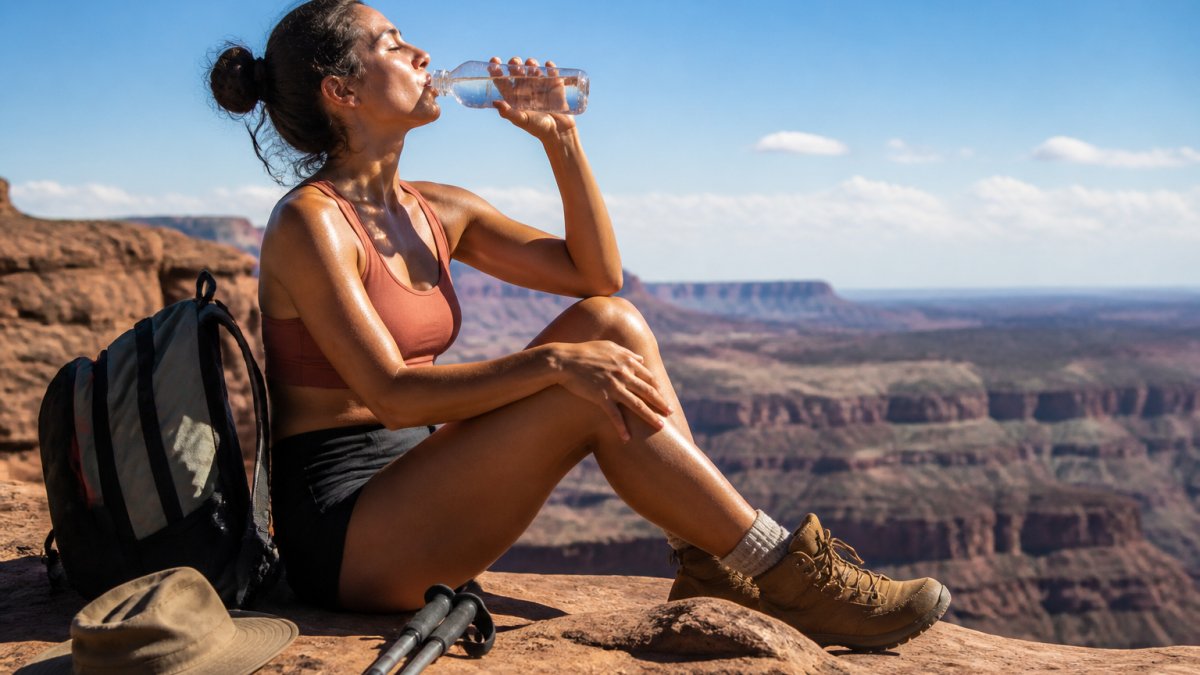
Heat is only half the equation; humidity decides whether sweating actually cools you. In dry air, sweat evaporates quickly and pulls heat from your skin. In humid air, sweat pools instead of evaporating, so your body produces more fluid for less cooling.
Cold air changes the math too. The CDC guidance on heat and hydration notes that thirst is a lagging indicator, not an early warning system.
Electrolyte Balance in Hot Weather: What Sweat Takes Out
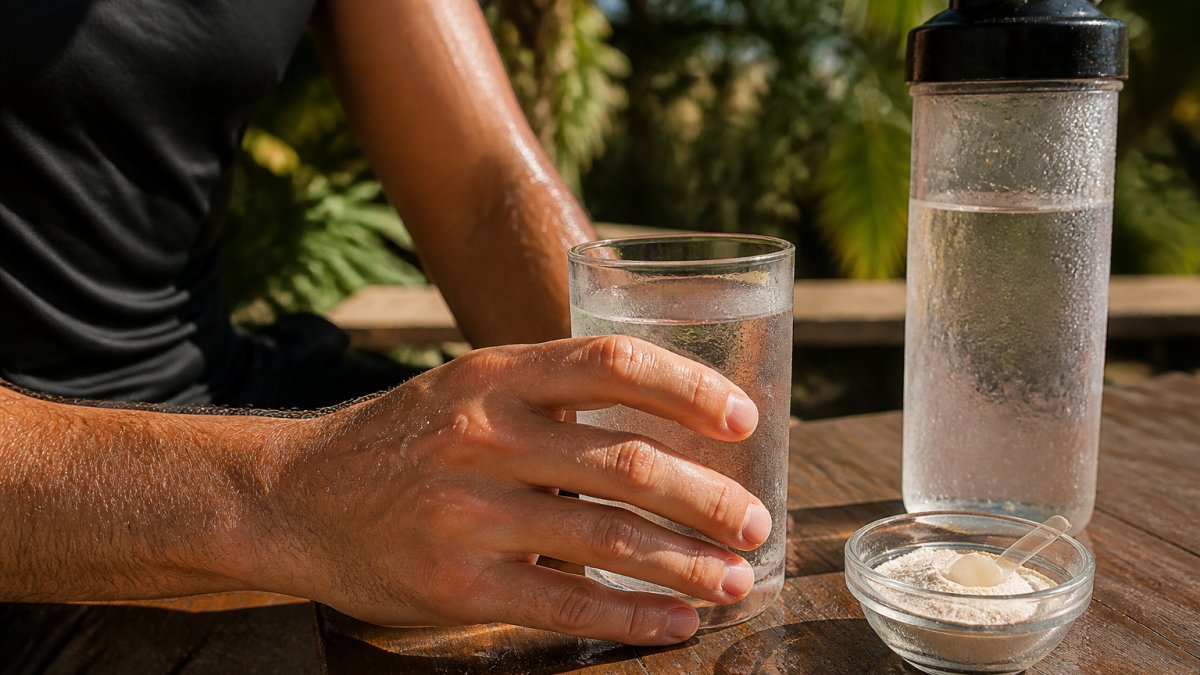
Sweat is not just water. It carries sodium, potassium, and other minerals your nerves and muscles depend on, which is why electrolyte balance in hot weather matters as much as fluid volume.
Sweat Rate, Sodium Loss, and Fluid Requirements
Sweat rate varies enormously between people. Two athletes of the same size can lose wildly different amounts of fluid per hour under identical conditions. Sodium concentration in sweat varies too, which is why some people finish a long, hot session with white streaks on their clothing and others barely show salt.
You can estimate your own sweat rate with a simple weigh-in:
- Weigh yourself before training, wearing minimal clothing
- Train for one hour at your normal pace in the conditions you care about
- Track how much you drink during the session, in ounces
Repeat this on a hot day and a cool day. The gap between the two numbers is the practical impact of climate on hydration and energy needs for your body specifically.
Hydration and Energy Needs in Cold, Dry, and High-Altitude Environments
Most hydration advice assumes heat, but that fails the moment the temperature drops or the elevation climbs. Cold, dry, and high-altitude environments each change how your body loses water and spends energy, and they suppress the thirst signal you would normally rely on.
Why Cold Air Dehydrates You
Three mechanisms drive fluid loss in the cold, and none of them feel like sweating:
- Respiratory water loss. Every breath in cold, dry air is warmed and humidified in your airways, and you exhale that moisture as visible vapor. In cold, dry conditions, respiratory losses can account for a meaningful share of daily fluid output, and they rise sharply with hard breathing during winter exercise.
- Cold-induced diuresis. Exposure to cold causes blood vessels in your extremities to constrict, pushing more blood into your core. Your body interprets that central volume shift as fluid excess and increases urine output. You can lose fluid this way without feeling warm or thirsty at all.
- Sweat under layers. Insulated clothing traps heat and moisture. You can sweat heavily during winter activity and never notice, because the sweat wicks into base layers instead of evaporating off your skin.
Add the fact that thirst is blunted in cold conditions, and you get a predictable pattern: winter athletes, outdoor workers, and anyone spending long hours in the cold finish the day in fluid debt without ever feeling thirsty.
What Altitude Adds
Altitude stacks additional losses on top of the cold-and-dry problem:
- Faster breathing. At elevation, you breathe more frequently and more deeply to compensate for lower oxygen partial pressure. More breaths mean more respiratory water loss.
- Altitude diuresis. The body often increases urine output during the first days at elevation as it adjusts blood chemistry. This is a normal acclimatization response, but it adds to net fluid loss.
- Higher energy expenditure. Cold and altitude both raise resting metabolic rate. Your body burns more fuel to stay warm and to move the same distance with less oxygen available, so calorie needs climb even when activity level does not.
People new to altitude often get a headache, fatigue, and poor sleep on day one or two. Those symptoms overlap with acute mountain sickness and dehydration, which is why hydration is a first-line response before assuming the worst.
Signs of Dehydration in Cold Climates
Watch for dark urine, headaches, dry lips, unusual fatigue, and a dip in coordination. Because cold masks thirst, the signs of dehydration in cold climates often show up as sluggishness or a headache rather than obvious thirst. Treat those as fluid signals, not just cold-weather discomfort.
A few cold-specific cues worth knowing:
- Cold hands and feet that will not warm up can reflect reduced blood volume, not just ambient temperature.
- Mental fog or slow decision-making on a winter hike or ski day is a classic dehydration signal that gets misattributed to fatigue.
- Reduced urine output despite drinking what feels like a normal amount is a warning sign, not a sign that you are well hydrated.
Practical Adjustments for Cold, Dry, and Altitude
- Drink on a schedule, not on thirst. Set a timer or tie fluid intake to a recurring event (every chairlift ride, every hour on the trail).
- Warm your fluids. Cold water is harder to drink in volume when you are already cold. Insulated bottles and warm beverages both increase intake.
- Eat for energy, not just hydration. Cold and altitude raise calorie needs, so pair fluids with food that carries sodium and carbohydrate.
Functional Mushrooms for Sustained Energy in Changing Climates
Energy dips when hydration slips, and functional mushrooms for sustained energy offer a caffeine-free way to support focus without the crash of a high-sugar drink. Certain varieties are traditionally used for steady energy and mental clarity, making them a practical fit for staying sharp through temperature swings and long days.
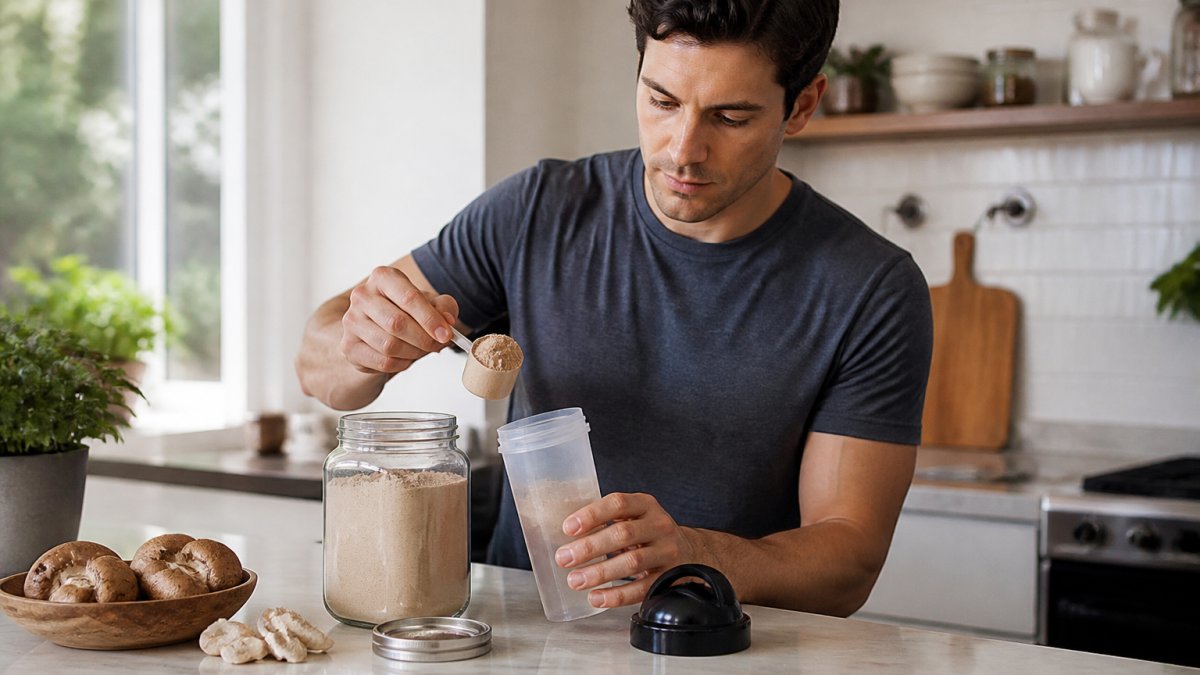
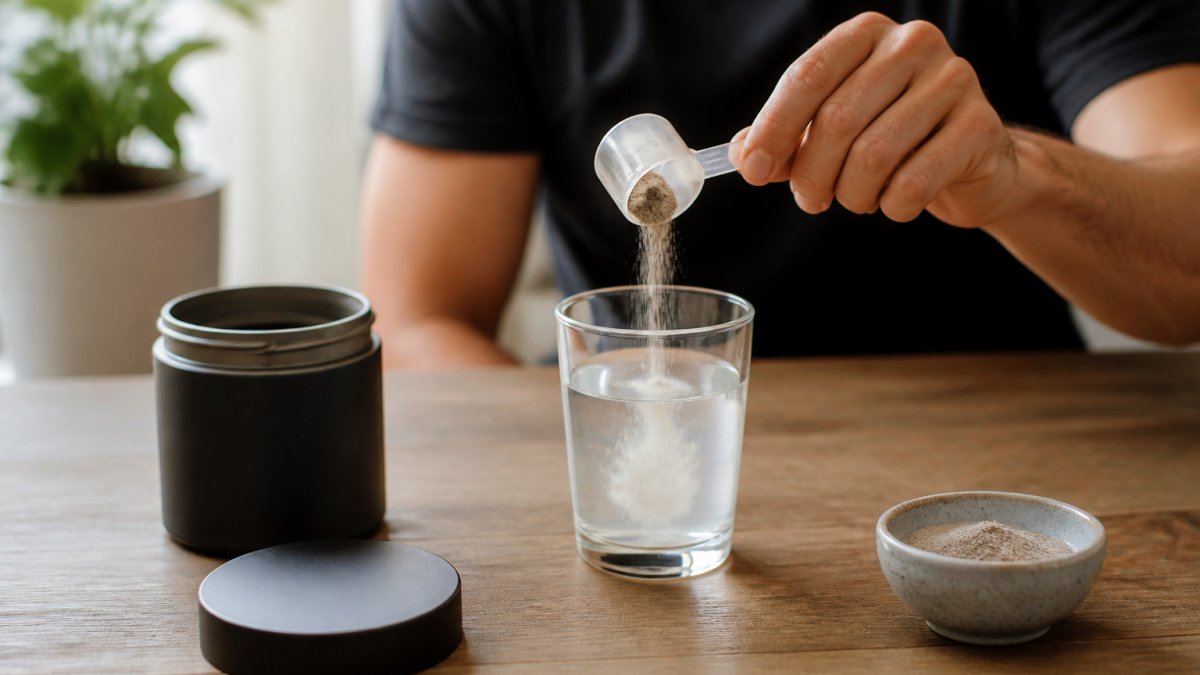
This is where Hydrate Heroes fits. Our plant-based powder combines six functional mushrooms with premium electrolytes, using our proprietary Balanced 88 Gold Sodium™ and no sucralose or erythritol. At five calories per serving with zero sugar, it delivers electrolyte hydration without the sugar load of traditional sports drinks.
How Temperature Changes Energy Needs and Metabolism
Hydration and energy are usually discussed separately, but in the body they are the same conversation. Temperature shifts both at once, because the systems that regulate core temperature also regulate metabolism, blood flow, and fluid balance.
Heat: Cardiovascular Strain and Elevated Demand
When you are hot, your body redirects blood flow to the skin to dump heat, so less blood returns to the heart per beat and your heart rate climbs to maintain output.
Add sweat and the cost compounds. Every liter of sweat is fluid your body must replace, along with the sodium and other electrolytes in it. When fluid losses outpace intake, blood volume drops, the heart works harder, and perceived effort rises even if the workload has not changed.
Cold: Shivering, Non-Shivering Thermogenesis, and Higher Calorie Burn
Cold drives energy expenditure through two main pathways:
- Shivering thermogenesis. Involuntary muscle contractions generate heat. It is effective, but it is metabolically expensive and it competes with the muscles you are trying to use for movement.
- Non-shivering thermogenesis. Brown adipose tissue burns fuel directly to produce heat. This pathway is more efficient than shivering but still raises resting energy expenditure in cold conditions.
Cold air also increases respiratory heat loss, so you spend energy warming every breath. Outdoor workers, winter athletes, and anyone in the cold for extended periods can see meaningful increases in daily calorie needs without any change in activity level.
Acclimatization: Why the Same Conditions Feel Different Over Time
Acclimatization is the body's adaptation to repeated heat or cold exposure, and it changes both fluid and energy needs:
- Heat acclimatization typically takes one to two weeks of repeated exposure. Sweat rate increases, sweat becomes more dilute (so you lose less sodium per liter), blood plasma volume expands, and cardiovascular strain at a given workload drops. Your fluid needs stay high, but your electrolyte losses per liter often fall.
- Cold acclimatization is slower and less complete in humans. Repeated cold exposure can reduce the shivering response and improve comfort, but it does not eliminate the added energy cost of staying warm.
- Altitude acclimatization unfolds over days to weeks. Breathing rate stays elevated, but the body adjusts blood chemistry and red blood cell production to improve oxygen delivery. Fluid needs remain elevated throughout.
The practical takeaway: the same temperature can demand different things from the same person depending on how recently they have been exposed to it.
Putting It Together
| Condition | Fluid Loss Driver | Energy Demand | Practical Adjustment |
|---|---|---|---|
| Hot and humid | Heavy sweating, poor evaporation | Elevated | More fluid, steady electrolytes |
| Hot and dry | Rapid evaporation, high sweat rate | Elevated | Frequent small sips, watch sodium |
| Cold and dry | Breathing losses, cold-induced diuresis, masked thirst | Higher (warming, shivering) | Drink on schedule, eat for calories |
| High altitude | Fast breathing, dry air, altitude diuresis | Higher | Increase fluid, monitor symptoms |
| Recently acclimatized to heat | Lower sodium per liter of sweat | Lower than unacclimatized | Adjust electrolyte intake downward |
Measuring Hydration and Recognizing Warning Signs
You can track hydration without a lab. Urine color is the simplest field test: pale straw suggests you are well hydrated, dark amber points to fluid debt. Body weight changes before and after activity give you a concrete number, and how you feel (headache, fatigue, poor focus) fills in the rest.
Seek medical help for confusion, rapid heartbeat, dizziness, or the absence of sweating in extreme heat. Those are emergency signals, not training inconveniences.
Climate-Specific Hydration and Fueling Guidance
Match your plan to your environment rather than following one rule everywhere.
- Hot and humid: Drink on a schedule, not on thirst, and replace sodium deliberately.
- Hot and dry: Sip frequently; you may not notice how much you are losing.
- Cold and dry: Set reminders, because thirst will not prompt you.
- High altitude: Increase intake and watch for headaches and breathlessness.
- Indoor climate-controlled settings: Still hydrate; dry indoor air and long sedentary stretches reduce intake cues.
For a broader look at how fluid needs shift with activity, the American College of Sports Medicine position stands and the National Academies' dietary reference intakes for water are useful references.
Conclusion: Matching Fluid and Energy Intake to Your Climate
Your climate sets the terms; your habits decide whether you meet them. The impact of climate on hydration and energy needs is not a single number you memorize once, it is a moving target shaped by heat, humidity, cold, and altitude. Hydrate Heroes makes that easier with six functional mushrooms, Balanced 88 Gold Sodium™, zero sugar, and just five calories per serving, with no sucralose or erythritol.
Frequently Asked Questions
How does high humidity affect your hydration needs?
High humidity slows sweat evaporation, so your body struggles to cool itself and produces more sweat. That increases fluid and sodium loss even if you don't feel like you're sweating heavily. In humid heat, drink more than thirst dictates and include electrolytes to replace what you lose. Check urine color and body weight changes before and after activity to gauge fluid balance.
Do you need more electrolytes in hot weather?
Yes. Sweat contains sodium, and in hot conditions you can lose significant amounts per hour. For sessions lasting under an hour, water may suffice. Beyond that, or if you're a heavy sweater, an electrolyte powder helps maintain fluid balance and supports aerobic performance. Look for options with balanced sodium and no added sugar to avoid unnecessary calories.
How does cold weather impact energy expenditure?
Cold exposure can raise energy needs as your body works to maintain core temperature. Shivering and non-shivering thermogenesis burn calories, and wearing heavy clothing adds to energy expenditure. You may also lose fluids through respiration in dry cold air. This means your hydration and energy intake need attention even when you don't feel thirsty or hot.
What are the signs of dehydration during extreme temperature changes?
In heat, watch for dark urine, dizziness, fatigue, and rapid heartbeat. In cold climates, signs are subtler: dry mouth, chapped lips, decreased urine output, and unexplained fatigue. Thirst is an unreliable cue in cold weather. Weigh yourself before and after outdoor activity; a drop of 2% or more body weight signals dehydration and warrants immediate fluid and electrolyte replacement.