 ultimate-guide
Side Effects of Mushroom Supplements Daily
Table of Contents
- What Happens When You Take Mushroom Supplements Daily
- Common Side Effects of Daily Mushroom Supplement Use
- Mushroom Supplement Drug Interactions You Should Know
- Functional Mushroom Electrolyte Powder Benefits and Safety
- How to Choose a High-Quality Mushroom Supplement
- Dosage Guidelines and Who Should Avoid Mushroom Supplements
- Conclusion: Making Daily Mushroom Supplements Work for You
- Frequently Asked Questions
Last Updated: October 1, 2026
What Happens When You Take Mushroom Supplements Daily
Most people tolerate daily mushroom supplements well, but "well" is not "without risk." Functional mushrooms are concentrated, biologically active ingredients, and daily use changes how your body processes them compared to occasional use.
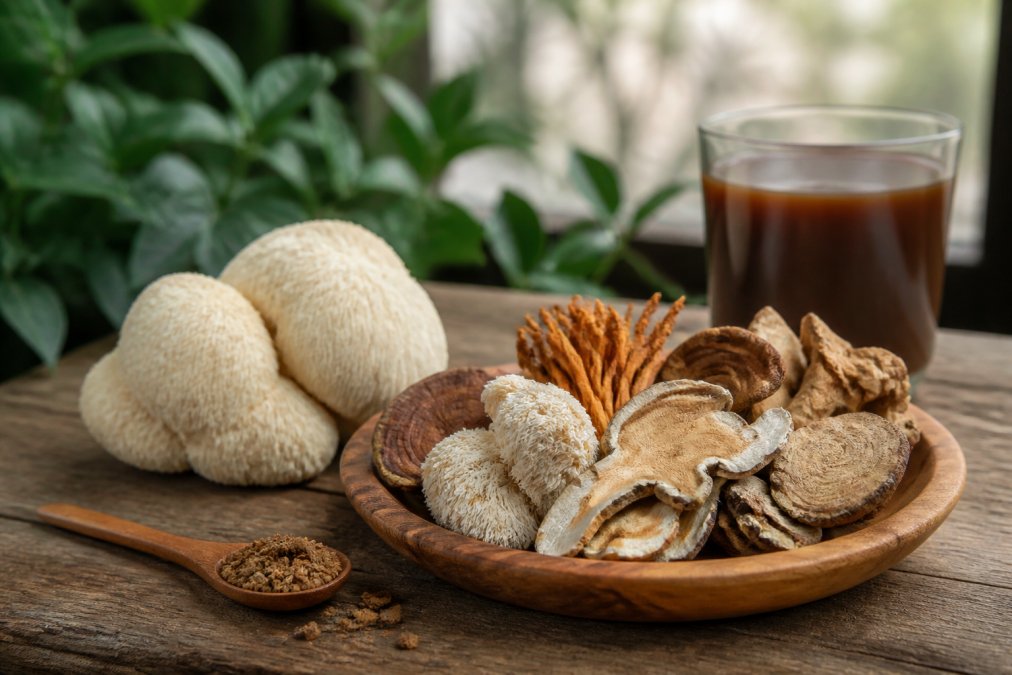
Mushroom supplements are made from the fruiting bodies or mycelium of fungi like reishi, lion's mane, cordyceps, and chaga, sold as capsules, powders, or drink mixes. At Hydrate Heroes, we formulate with six functional mushrooms alongside electrolytes, so we think carefully about daily exposure.
The short answer: mild digestive upset is the most commonly reported issue, drug interactions are the most underrated risk, and quality sourcing determines whether you get a therapeutic dose or a scoop of filler. Below: each risk, who needs caution, and how to read a label.
Common Side Effects of Daily Mushroom Supplement Use
The most frequently reported side effects of daily mushroom supplements are gastrointestinal symptoms, followed by allergic skin reactions. Both are usually mild and resolve when you lower the dose or pause.

Digestive Issues and Gastrointestinal Discomfort
Gastrointestinal distress is the most common complaint: nausea, bloating, abdominal pain, or loose stools. Beta-glucans and other polysaccharides in medicinal mushrooms can be fermentable, so some people get gas and cramping from a full dose on an empty stomach.
A common mistake is starting at the full label dose on day one. Most practitioners suggest a quarter or half dose for the first week, taken with food, then increasing gradually. If bloating persists past two weeks, the mushroom itself may not suit you.
Some users report dry mouth or mild dizziness, particularly with blends that pair mushrooms with high-sodium electrolyte bases. Check the label, since sodium content varies widely.
Allergic Reactions and Skin Sensitivities
True allergy to culinary and medicinal mushrooms is uncommon but real: skin rash, itching (pruritus), hives, and in rare cases throat tightness or breathing difficulty.
Anyone with a known mold or fungal allergy should approach mushroom supplements cautiously. If you react to shiitake or portobello, a concentrated reishi or chaga extract is not a safe experiment. Stop and seek medical attention if swelling or breathing changes occur.
Mushroom Supplement Drug Interactions You Should Know
The most important safety issue with daily mushroom use is interaction with prescription medication, and it is the one most buyers never check. Below is the mapping most articles skip: which mushroom, which medication class, and what happens.
Interactions With Common Daily Medications
Anticoagulant and antiplatelet drugs are the highest-concern pairing. Reishi has documented antiplatelet activity and can potentiate warfarin, aspirin, clopidogrel, and direct oral anticoagulants like apixaban and rivaroxaban. Because the effect accumulates with daily dosing, someone on a stable warfarin dose can see their INR drift without changing anything else. Talk to your prescriber before adding a mushroom supplement.
Blood glucose and blood pressure medications are the second category to watch. Cordyceps and reishi are studied for glucose-lowering and vasodilatory effects, so stacking them daily with metformin, sulfonylureas, insulin, ACE inhibitors, or beta-blockers can push readings lower than intended, a benefit in theory, a hypoglycemic or hypotensive episode in practice. Home monitoring before and after you start is the cheapest way to catch it.
Immunosuppressants are the third and most under-discussed category. Reishi, maitake, and lion's mane have immunomodulating beta-glucans that can work against drugs deliberately suppressing immune response, tacrolimus, cyclosporine, mycophenolate, and biologics for transplant or autoimmune conditions. The interaction is not always dramatic, but it is directionally wrong for anyone whose medication quiets the immune system.
A fourth category rarely named: thyroid medication. Some practitioners report daily reishi or cordyceps can shift thyroid hormone levels enough to require a levothyroxine dose adjustment. The evidence is thinner than for blood thinners, but flag it to your prescriber if you take thyroid replacement.
| Mushroom | Medication class to watch | Concern |
|---|---|---|
| Reishi | Anticoagulants / antiplatelets (warfarin, aspirin, clopidogrel, DOACs) | Additive bleeding risk; effect compounds with daily use |
| Reishi, Cordyceps | Antidiabetics (metformin, sulfonylureas, insulin) | Additive glucose lowering; hypoglycemia risk |
| Reishi, Maitake, Lion's Mane | Immunosuppressants (tacrolimus, cyclosporine, mycophenolate) | Immunomodulation may oppose intended immune suppression |
| Reishi, Cordyceps | Antihypertensives (ACE inhibitors, beta-blockers) | Additive blood pressure lowering |
| Reishi, Cordyceps | Thyroid replacement (levothyroxine) | Possible hormone-level shift; monitor and inform prescriber |
The FDA guidance on dietary supplement interactions is a useful starting point, but your pharmacist is the fastest resource for a specific medication list. Bring the actual supplement label, species, extract type, and beta-glucan percentage, because "mushroom blend" tells a pharmacist nothing.
The "Detox" or Herxheimer Reaction Myth
A separate problem is not with a drug at all, it is how people interpret their own symptoms. Many first-time daily users get nausea, headache, fatigue, or loose stools in week one and are told this is a "detox" or "Herxheimer reaction" proving the product works. That framing is borrowed from antibiotic treatment of spirochetal infections, where a genuine die-off reaction is documented. No established mechanism lets a functional mushroom supplement cause a Herxheimer reaction in a healthy adult.
The likely explanations are mundane: fermentable polysaccharides causing gas and cramping, a filler or sugar alcohol in the formula, a mild allergic response, or an unextracted powder your gut cannot break down.
Functional Mushroom Electrolyte Powder Benefits and Safety
Functional mushroom electrolyte powder benefits center on combining hydration minerals with adaptogenic mushrooms in one serving, convenient, but it concentrates two active categories at once. The safety question is not whether each is safe alone, but how the combination behaves daily.
How to Choose a High-Quality Mushroom Supplement
Learning how to choose a high-quality mushroom supplement comes down to three label checks: fruiting body versus mycelium, extraction method, and third-party testing. Get those right and you eliminate most risk before your first scoop, most "mushroom side effects" are really product-quality side effects.
Sourcing, Heavy Metal Contamination, and Third-Party Testing
Mushrooms are bioaccumulators: they absorb heavy metals and toxins from the soil or substrate they grow in, making sourcing a safety issue, not just a quality one. A product grown on contaminated substrate can concentrate lead, cadmium, or arsenic. Mycelium-on-grain products are a particular concern because the grain substrate can carry contaminants into the finished powder.
Reading the Rest of the Label
Two more checks catch most remaining complaints. First, sweeteners: sugar alcohols like erythritol, sorbitol, and maltitol are well-known causes of bloating and loose stools at everyday doses, and they show up frequently in mushroom drink mixes. If symptoms started with a new powder, suspect the sweetener before the mushroom.
Dosage Guidelines and Who Should Avoid Mushroom Supplements
No universal recommended daily allowance exists for functional mushrooms, because they are sold as supplements rather than standardized drugs. A therapeutic dose varies by species, extract concentration, and your goal.
| Situation | Suggested Approach | Why |
|---|---|---|
| First-time user | Start at 1/4 to 1/2 label dose for 1-2 weeks | Limits digestive upset while you assess tolerance |
| Daily maintenance | Follow label dose, taken with food | Reduces nausea and improves absorption |
| On blood thinners | Consult prescriber first | Anticoagulant effects raise bleeding risk |
| Managing blood sugar or pressure | Monitor readings, consult prescriber | Compounds can compound medication effects |
| Pregnant or breastfeeding | Avoid unless cleared by a clinician | Insufficient safety data for daily use |
| Known fungal allergy | Avoid entirely | Risk of allergic reaction outweighs benefit |
Conclusion: Making Daily Mushroom Supplements Work for You
The real challenge with daily mushroom supplements is not whether they work, but whether the product in front of you is clean, correctly dosed, and compatible with everything else you take. Most side effects trace back to poor sourcing, unextracted filler, or an unchecked interaction.
Frequently Asked Questions
Who should avoid taking mushroom supplements?
People with autoimmune conditions, those taking immunosuppressants or blood thinners, and anyone with a known mushroom allergy should avoid or carefully evaluate mushroom supplements. Pregnant or breastfeeding women and individuals with liver conditions should consult a healthcare professional first. Certain functional mushrooms can stimulate the immune system or affect blood glucose and blood pressure regulation, which may interfere with existing treatments or health conditions.
Do mushroom supplements interact with common medications?
Yes. Mushroom supplements can interact with anticoagulants and antiplatelet drugs due to potential anticoagulant effects. They may also affect blood glucose levels, creating risks for people on diabetes medication. Some mushrooms impact blood pressure regulation, which matters for those on hypertension drugs. Always review your full medication list with a healthcare professional before starting a daily mushroom supplement, especially if you take prescriptions for chronic conditions.
How can you tell if a mushroom supplement is high quality?
Look for third-party testing certificates, clear labeling of fruiting body versus mycelium, and transparency about extraction methods. High-quality products list the actual mushroom species and beta-glucan content. Avoid supplements that use cheap fillers like brown rice powder. Choose brands that publish heavy metal and purity test results. A clean label with no artificial sweeteners or unnecessary additives is another strong indicator of quality.
Can you overdo mushroom supplements?
Yes, exceeding recommended dosage guidelines can increase the risk of adverse effects like digestive distress, nausea, or dizziness. More is not better with functional mushrooms. Stick to the therapeutic dose on the label unless a healthcare professional advises otherwise. If you experience persistent bloating, abdominal pain, or skin rash, reduce your intake or stop and consult a doctor. Daily use should follow product-specific dosing instructions, not a one-size-fits-all approach.