 ultimate-guide
Plant-Based Hydration for High-Intensity Workouts
Table of Contents
- Why Plant-Based Hydration Matters for High-Intensity Training
- Electrolytes and Sweat Rate: The Physiology Behind Performance
- Plant-Based Electrolyte Powder: Your Clean Alternative
- Benefits of Functional Mushrooms for Recovery
- Dangers of Sucralose in Sports Drinks
- Hydration Timing: Pre-Workout, During, and Post-Workout Strategies
- Water-Rich Foods and Plant-Based Hydration Integration
- Frequently Asked Questions
Last Updated: September 21, 2026
Why Plant-Based Hydration Matters for High-Intensity Training
Plant based hydration addresses a critical gap in sports nutrition for high-intensity workouts. Most athletes reach for synthetic electrolyte drinks loaded with artificial sweeteners and excessive sodium without questioning whether those ingredients support performance or recovery. Your hydration needs depend on sweat rate, electrolyte losses, and training demands, not marketing claims.
Athletes following plant-based or clean-label diets struggle to find hydration solutions that don't compromise their values or gut health. Traditional sports drinks rely on sucralose, erythritol, and high-sodium formulas that trigger bloating, cramping, and digestive distress. Proper hydration is non-negotiable for performance, but conventional options often create more problems than they solve.
Plant-based hydration for high intensity workouts means matching the physiology of sweat loss and electrolyte balance with clean ingredients that work. Dehydration degrades performance, increases injury risk, and extends recovery time. Proper hydration maintains power output, mental clarity, and endurance capacity.
Electrolytes and Sweat Rate: The Physiology Behind Performance
Sweat rate varies by genetics, fitness level, intensity, and environment. During high-intensity training, you lose sodium, potassium, magnesium, and calcium, minerals essential for muscle contraction, nervous system function, and cardiovascular stability.

When sodium concentration drops too low (hyponatremia), muscles cramp and cognitive function declines. Plain water alone is insufficient during intense, prolonged exercise. You need electrolytes, specifically sodium, to maintain osmolality and preserve fluid balance across cell membranes.
In hot environments, sweat rate can exceed 2 liters per hour. Without electrolyte replacement, plasma volume drops, core temperature rises, and cardiovascular strain increases, degrading performance.
How Sodium, Potassium, and Magnesium Support Muscle Function
Sodium maintains osmotic gradients and fluid retention. Potassium regulates intracellular hydration and muscle contraction. Magnesium supports energy production and muscle relaxation, preventing cramping.
Most commercial sports drinks contain 200-500 mg of sodium per serving with high sugar, which slows gastric emptying and causes bloating. Plant-based hydration formulas with balanced sodium, like Hydrate Heroes' proprietary Balanced 88 Gold Sodium™ approach, deliver needed electrolytes without osmotic overload.
Many athletes are chronically deficient in magnesium, impairing energy production and increasing cramping risk. Replacing it post-workout speeds recovery and reduces delayed-onset muscle soreness. Plant-based sources like pumpkin seeds, almonds, and functional mushroom blends provide bioavailable magnesium.
Calculating Your Individual Fluid and Electrolyte Needs
Hydration needs depend on sweat rate. Weigh yourself before and after a 60-minute workout in typical conditions. The difference, adjusted for fluid consumed, equals your sweat rate per hour.
If you lost 2 pounds during the workout, your sweat rate is roughly 1 liter per hour. During intense exercise, aim to replace 80-90% of that loss in smaller drinks every 15-20 minutes to prevent gastric distress.
Research suggests 300-600 mg of sodium per liter during exercise lasting more than 60 minutes. Match sodium concentration to your sweat sodium concentration, which typically ranges from 400-1,200 mg per liter.
Plant-Based Electrolyte Powder: Your Clean Alternative
Plant-based electrolyte powder draws electrolytes from whole-food sources and functional ingredients, delivering performance benefits alongside basic hydration support without synthetic minerals and artificial sweeteners.
Natural Sources vs. Synthetic Minerals
Sodium from sea salt carries trace minerals matching sweat losses. Potassium from coconut water powder includes cofactors enhancing absorption. Magnesium glycinate absorbs better than synthetic alternatives without laxative effects.
Bioavailability matters: synthetic powders may have correct label numbers but poor absorption. Plant-based formulas with functional mushrooms provide electrolytes plus compounds supporting endurance, reducing inflammation, and speeding recovery.
Functional mushrooms like cordyceps, lion's mane, and reishi are supported by modern research for athletic performance and adaptation. A six-mushroom blend combines these benefits with premium electrolytes for immediate performance and long-term recovery.
Why Balanced Sodium Formulas Outperform High-Sodium Sports Drinks
High-sodium sports drinks (500+ mg per serving) were designed for extreme endurance events. For most high-intensity training, that much sodium increases thirst, triggers nausea, and leads to overconsumption, paradoxically impairing performance.
A balanced sodium formula delivering 88-150 mg per serving matches what most athletes need during high-intensity sessions. This approach prevents both hyponatremia and hypernatremia while maintaining steady hydration without bloating and cramping.
Osmolality drives fluid movement. Matching your formula's osmolality to your body's needs ensures efficient absorption. High sodium and sugar slow gastric emptying, creating dehydration. Balanced formulas maintain isotonic solutions that absorb quickly without GI distress.
Benefits of Functional Mushrooms for Recovery
Functional mushrooms support performance and recovery. Cordyceps support ATP production and oxygen use for endurance. Lion's mane supports cognitive function and reduces inflammation. Reishi promotes parasympathetic activation for recovery and sleep.
A six-mushroom blend provides energy support, reduced inflammation, and improved sleep quality. Plant-based hydration with functional mushrooms supports the entire recovery cascade.
How Six-Mushroom Blends Support Post-Workout Adaptation
Post-workout recovery requires specific signals and substrates. Functional mushrooms provide bioactive compounds supporting immune function, reducing inflammation, and promoting cellular adaptations.
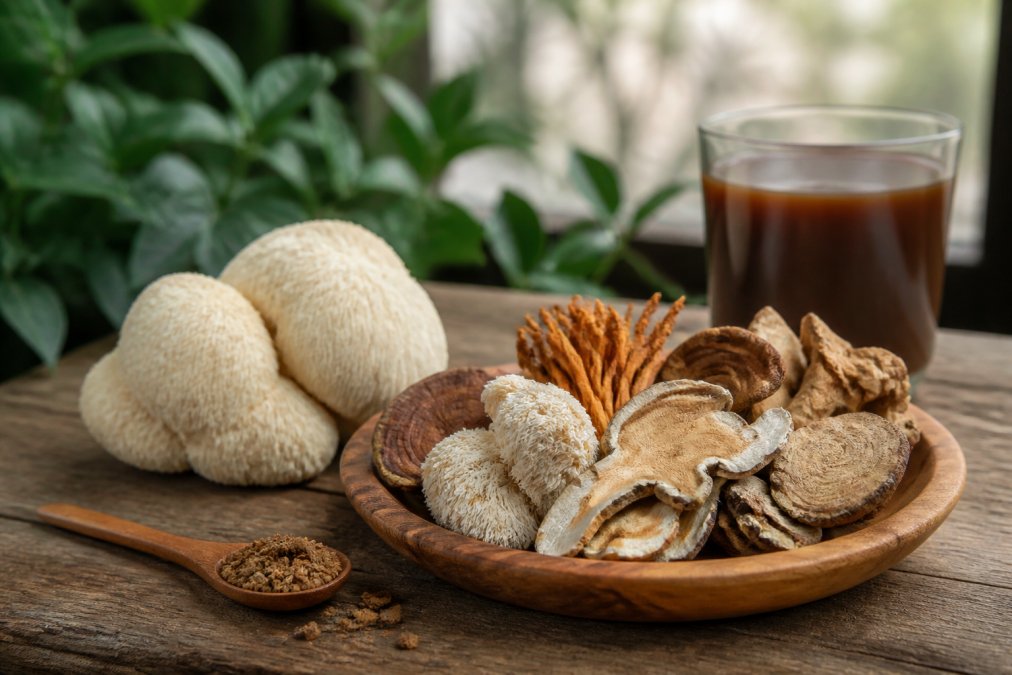
A six-mushroom formulation includes cordyceps (energy and oxygen use), lion's mane (neuroplasticity and cognitive support), reishi (recovery and sleep), shiitake and maitake (immune and gut health), and chaga (antioxidant support).
Consumed post-workout, these mushrooms work synergistically with balanced electrolytes to accelerate rehydration and prime adaptation. This is valuable for athletes doing multiple high-intensity sessions weekly, where recovery quality determines adaptation.
Dangers of Sucralose in Sports Drinks
Sucralose is FDA-approved but its safety during intense exercise remains questionable. The real issue is how it affects your gut microbiome and digestive function during and after training.
Artificial Sweeteners and Gut Distress During Intense Exercise
Sucralose is partially metabolized by gut bacteria, disrupting microbiome balance and reducing beneficial bacteria. This dysbiosis manifests as bloating, cramping, and altered bowel function.
During intense exercise, your gut is already stressed with reduced blood flow and increased permeability. Adding sucralose disrupts bacterial balance, causing cramping, bloating, and GI distress.
Athletes sensitive to artificial sweeteners report consistent GI problems with sucralose-containing drinks. Switching to sucralose-free alternatives eliminates this trigger while maintaining hydration effectiveness.
The mechanism is clear: your gut health directly affects your performance. A disrupted microbiome impairs nutrient absorption, increases inflammation, and compromises immune function. Why introduce a compound that damages the very system you depend on for recovery?
Hydration Timing: Pre-Workout, During, and Post-Workout Strategies
Hydration timing is as important as hydration composition. Start your workout already dehydrated, and you're fighting an uphill battle. Drink too much before exercise, and you're carrying unnecessary weight and risking sloshing discomfort. Miss the post-workout rehydration window, and you extend recovery time and impair adaptation.
Building a DIY High-Intensity Electrolyte Protocol
Pre-workout hydration should begin 2-3 hours before exercise. Drink 16-20 ounces of fluid containing 20-30 mg of sodium. This primes your system for the demands ahead without causing gastric distress or the need to urinate during your workout. Add a small amount of carbohydrate, roughly 6-8% solution, or about 15-20 grams per liter, to support early fuel availability and enhance fluid absorption.
During high-intensity exercise lasting more than 60 minutes, aim for 4-8 ounces of fluid every 15-20 minutes, totaling roughly 500-1,000 ml per hour depending on sweat rate and environmental conditions.
| Hydration Phase | Timing | Fluid Volume | Sodium | Carbohydrate | Purpose |
|---|---|---|---|---|---|
| Pre-workout | 2-3 hours before | 16-20 oz | 20-30 mg | 15-20 g | Prime hydration status |
| During (high-intensity, 60+ min) | Every 15-20 minutes | 4-8 oz per interval | 100-200 mg/L | 30-60 g/hour | Replace sweat losses, maintain performance |
| Post-workout | Within 30 minutes | 16-24 oz | 100-150 mg/L | 0.8-1.2 g/kg body weight | Accelerate rehydration and recovery |
Water-Rich Foods and Plant-Based Hydration Integration
Hydration isn't limited to what you drink. Water-rich foods contribute meaningfully to your daily fluid intake and provide electrolytes, micronutrients, and fiber that support digestion and overall health.
Frequently Asked Questions
What makes plant-based hydration different from traditional sports drinks for high-intensity workouts?
Plant-based hydration sources deliver electrolytes without artificial sweeteners, fillers, or synthetic additives. They provide sodium, potassium, magnesium, and calcium through natural plant concentrates, supporting fluid balance and rehydration. Traditional sports drinks often contain sucralose or erythritol, which can trigger gut distress during intense exercise. Plant-based formulas with functional mushrooms offer additional recovery support, making them ideal for athletes managing inflammation or following clean-label diets.
How do functional mushrooms support recovery after high-intensity workouts?
Functional mushrooms contain bioactive compounds that reduce exercise-induced inflammation and support post-exercise recovery. Six-mushroom blends work synergistically to support metabolic demand recovery, glycogen replenishment, and endurance capacity restoration. They also support the body's thermogenesis and adaptation response. This makes them particularly valuable when combined with plant-based electrolyte powder for comprehensive post-workout hydration.
Is balanced sodium actually necessary, or is it just marketing?
Balanced sodium is physiologically essential. Your sweat rate determines sodium loss, and osmolality, the concentration of electrolytes in your fluid, must match your body's plasma volume to support absorption. High-sodium formulas can create osmotic pressure imbalances that slow rehydration. A balanced sodium approach maintains isotonic conditions, supporting fluid uptake and hydration status recovery. Athletes with heavy sweat rates benefit from formulas that account for individual sweat sodium concentration rather than one-size-fits-all dosing.
Why should I avoid sucralose and similar sweeteners in hydration drinks?
Sucralose and erythritol can trigger gut distress during intense exercise by altering osmotic pressure in your digestive tract and disrupting your microbiome. This causes bloating, cramping, and reduced nutrient absorption, exactly what you don't want mid-workout. Research shows artificial sweeteners can impact bioavailability of micronutrients and intracellular hydration efficiency. Zero-sugar plant-based electrolyte powders eliminate this risk while supporting performance, making them suitable for keto, paleo, and vegan athletes.