 ultimate-guide
Are Mushroom Electrolyte Powders Safe for Daily Use?
Table of Contents
- What Makes Mushroom Electrolyte Powders Different
- Functional Mushroom Electrolyte Powder Benefits You Can Expect
- Side Effects of Daily Electrolyte Supplementation: What to Watch For
- Who Should Avoid Mushroom Electrolyte Powders
- How to Choose a Clean Electrolyte Powder
- Signs You're Getting Too Many Electrolytes
- Conclusion: Making Daily Use Work for You
- Frequently Asked Questions
Last Updated: September 22, 2026
What Makes Mushroom Electrolyte Powders Different
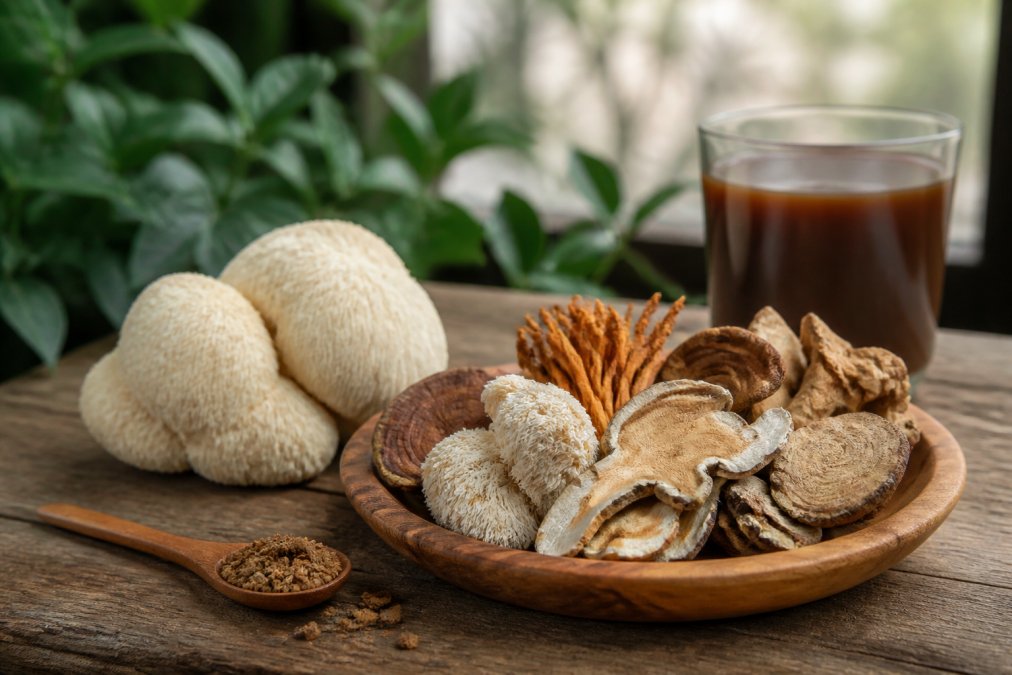
A mushroom electrolyte powder combines standard electrolyte minerals, sodium, potassium, magnesium, calcium, and chloride, with functional mushroom extracts such as lion's mane and cordyceps. Daily-use safety comes down to three things: mineral doses, mushroom species and extract quality, and how your kidneys handle the extra load.
Functional Mushroom Electrolyte Powder Benefits You Can Expect
The benefits of a functional mushroom electrolyte powder fall into two categories: what the minerals do for hydration and muscle repair, and what the mushrooms do for cognition and stress resilience.

Hydration and Mineral Replenishment
Sodium, potassium, magnesium, and chloride regulate fluid balance, nerve signaling, and muscle contraction. Sweating depletes all four, and plain water dilutes what's left. A well-dosed powder restores the ratio instead of flooding you with one mineral.
Cognitive and Adaptogenic Support
Lion's mane and other functional mushrooms are classed as adaptogens, studied for effects on cognitive function and the stress response. Many users report steadier focus without caffeine's crash. The evidence base is still developing, so treat cognitive benefits as promising rather than guaranteed.
Side Effects of Daily Electrolyte Supplementation: What to Watch For
Most electrolyte safety content stops at "too much sodium raises blood pressure." True, but incomplete for a mushroom electrolyte powder, because you're layering two active categories, minerals and concentrated adaptogenic extracts, daily. The side effects worth watching fall into three buckets: mineral overload, mushroom-specific interactions, and cumulative effects.
Mineral Overload: Sodium, Potassium, and Renal Function
The side effects of daily electrolyte supplementation are mostly dose-dependent. Too much sodium raises blood pressure and causes water retention; too much potassium is more serious, affecting heart rhythm and renal function in people whose kidneys already struggle to clear it.
Mushroom-Specific Interactions: What Most Guides Skip
Mushroom extracts are not inert flavoring, they contain bioactive compounds such as beta-glucans, hericenones, and erinacines (lion's mane), cordycepin (cordyceps), and triterpenes (reishi). Those compounds have measurable activity, which is the point of taking them, but it also means they can interact with medications and with the minerals in the same scoop.
- Blood thinners (warfarin, apixaban, rivaroxaban). Certain mushroom extracts, reishi and cordyceps in particular, have been studied for mild antiplatelet or anticoagulant activity. Stacking that with a prescription blood thinner is a conversation for your prescriber, not a label.
- Immunosuppressants (tacrolimus, cyclosporine, azathioprine). Many functional mushrooms are studied for immune-modulating effects. If your medication is deliberately suppressing immune activity, an immune-stimulating mushroom extract works against the therapy.
- Diabetes medications and insulin. Some mushroom extracts have shown blood-glucose-lowering effects in early research. Combined with glucose-lowering medication, that can push blood sugar lower than intended.
- Potassium-sparing diuretics (spironolactone, eplerenone) and ACE inhibitors or ARBs. These medications already raise potassium retention. Adding a potassium-containing electrolyte powder on top is a stacking risk.
- Thyroid medication (levothyroxine). Mineral supplements, particularly calcium and magnesium, can reduce levothyroxine absorption if taken too close together. Separate them by at least four hours.
Bioavailability: Why the Blend Matters for Safety, Not Just Benefit
Bioavailability cuts both ways. A blend that lists mushrooms without specifying extract type or beta-glucan content may deliver very little active compound, affecting both benefit and risk. A highly concentrated, standardized extract delivers more bioactive compound per scoop, making the interaction considerations above more relevant, not less.
- Extract ratio and standardization. "10:1 extract" tells you how much raw mushroom was concentrated, but not what is in the final product. "Standardized to 25% beta-glucan" tells you the active fraction. The second is the number that matters for daily, long-term intake.
- Mineral form. Magnesium oxide is cheap and poorly absorbed; magnesium glycinate and magnesium citrate absorb better. Chelated minerals (bound to an amino acid) generally absorb better than plain mineral salts. Better absorption means a lower dose can achieve the same effect, which is a safety advantage, not just a marketing one.
Cumulative Effects of Daily Adaptogen Intake
Here is the honest gap in the research: long-term daily intake of concentrated adaptogenic mushrooms has not been studied across decades the way basic minerals have. Most human trials run 4 to 12 weeks. That doesn't mean daily use is unsafe, it means the long-term safety picture rests on short-term data plus traditional use, not multi-decade cohort studies.
What to watch for over months of daily use:
- Gut changes. Some people report digestive shifts (looser stools, bloating) after weeks of daily mushroom extract, particularly with blends containing multiple species. If that pattern shows up, cycling off for a week is a common first step.
- Hormonal or immune shifts. Adaptogens are studied for effects on the stress response (HPA axis) and immune signaling. Anyone with an autoimmune condition or a hormone-sensitive condition should get medical sign-off before making it a daily habit.
- Diminishing returns. A common pattern is that the perceived cognitive benefit is strongest in the first few weeks and then plateaus. That plateau is a reasonable signal to reassess whether daily use is still earning its place in your routine.
Who Should Avoid Mushroom Electrolyte Powders
Most articles answer this question with a short list and move on. The more useful answer separates people who should avoid these powders entirely from those who can use them with adjustments, and separates the mineral side of the formula from the mushroom side.
Avoid Entirely Without Medical Clearance
These are the situations where the risk is high enough that daily use is not a casual decision:
- Chronic kidney disease (any stage). Kidneys regulate potassium and sodium excretion. When that function is impaired, a daily electrolyte load, especially potassium, can accumulate to dangerous levels. This is the single most important contraindication.
- Potassium-sparing diuretics, ACE inhibitors, or ARBs. These medications already raise potassium retention. Adding a potassium-containing powder on top is a stacking risk.
- Diagnosed heart rhythm conditions (arrhythmias). Potassium and sodium both affect cardiac electrical signaling. Anyone with a known arrhythmia should have a cardiologist weigh in before adding daily electrolytes.
- Heart failure or fluid-restricted diets. Sodium restriction is often a core part of management. A powder with meaningful sodium per serving works against that plan.
- Immunosuppressant therapy or active autoimmune disease. Many functional mushrooms are studied for immune-modulating effects. If your immune system is deliberately suppressed or is already overactive against your own tissue, mushroom extracts are not a neutral addition.
- Pregnancy or nursing. There is not enough safety data on concentrated adaptogenic mushroom extracts in pregnancy or lactation to call daily use low-risk. Get obstetric clearance first.
- Blood thinner therapy. Reishi and cordyceps in particular have been studied for mild antiplatelet activity. Combine that with a prescription anticoagulant and the bleeding-risk picture gets complicated.
Use With Adjustments, Not Avoidance
These groups don't need to avoid the category, but should change how they use it:
- People on a low-sodium diet for hypertension. Compare the actual milligrams per serving against your daily limit before committing. A powder with 500 mg sodium per scoop is a different decision than one with 1,000 mg.
- People with Type 2 diabetes. Some mushroom extracts have shown blood-glucose-lowering effects in early research. Monitor blood sugar more closely for the first few weeks if you add one.
- People with thyroid conditions on levothyroxine. The mineral component (calcium, magnesium) can reduce levothyroxine absorption. Separate the powder from your thyroid medication by at least four hours.
- People with irritable bowel syndrome or a sensitive gut. Sugar alcohols (erythritol, sorbitol) and some mushroom extracts can trigger digestive symptoms. Start with half a serving for the first week.
- People taking multiple supplements. Track total sodium, potassium, and magnesium across everything you take, not just the powder. Stacking is where most imbalances actually originate.
Children and Adolescents
Children's sodium and potassium needs differ from adults', and pediatric data on concentrated adaptogenic mushroom extracts is essentially absent. A lower-sodium formula is not automatically child-safe, portion size and total daily sodium from food matter more than the powder itself. Ask a pediatrician before making it a daily habit.
Older Adults
Two factors converge after roughly age 65: kidney filtration rate declines naturally, and polypharmacy (five or more prescription medications) becomes common. Both raise the risk of mineral stacking and drug-mushroom interactions. Daily use isn't automatically off the table, but it's a conversation to have with a provider who can see your full medication list.
The Bottom Line on Who Should Skip It
The people who should avoid mushroom electrolyte powders outright are a narrow group: those with impaired kidney function, those on potassium-raising or immune-suppressing medications, those with diagnosed heart rhythm conditions, and those pregnant or nursing without clearance. For everyone else, the decision is less about avoidance and more about dose, label transparency, and whether the mushroom component suits your health picture.
How to Choose a Clean Electrolyte Powder
A clean electrolyte powder has a short, fully disclosed ingredient list: minerals with stated amounts, a mushroom blend with named species and extract specifications, and no artificial sweeteners. Everything else is marketing.
Reading the Label: Sweeteners, Sodium, and Bioavailability
Start with the sweetener line. Sucralose and erythritol are the most common sugar-free sweeteners in hydration powders, and both have drawn scrutiny over gut microbiome effects. If avoiding them matters, look for stevia, monk fruit, or no sweetener.
| What to Check | Red Flag | Better Choice |
|---|---|---|
| Sweeteners | Sucralose, erythritol | Stevia, monk fruit, none |
| Sodium | Vague "balanced blend" | Stated mg per serving |
| Mushrooms | "Blend" with no species | Named species, extract ratio |
| Calories | High sugar content | Low or zero sugar |
Signs You're Getting Too Many Electrolytes
Watch for bloating, swelling in the hands and feet, persistent thirst despite drinking, and rising blood pressure. These signal water retention and early electrolyte imbalance, and usually resolve by cutting back to one serving on active days only.
Conclusion: Making Daily Use Work for You
Daily use is reasonable for most healthy adults when the formula is transparent about its minerals and mushrooms, and when you're not stacking it on top of three other sodium sources. The real risk isn't the concept of a mushroom electrolyte powder, it's a vague label that hides what's inside.
Frequently Asked Questions
Is it okay to drink electrolyte powder every day?
For most healthy adults, daily electrolyte powder is fine when the formula matches your actual needs. The key is sodium content and total daily intake. A powder with balanced sodium and no added sugar fits a daily routine better than high-sodium sports drinks meant for intense training. If you have kidney conditions, heart failure, or take diuretics, check with your doctor before making it a habit.
Do functional mushrooms interact with daily electrolyte intake?
Functional mushrooms like lion's mane and reishi are generally well tolerated alongside electrolyte minerals, but they can interact with blood thinners, immunosuppressants, and diabetes medications. If you take prescription drugs, talk to your pharmacist before adding a mushroom electrolyte powder to your daily routine. Also watch for digestive upset in the first week, which is the most common adjustment symptom.
What are signs of too many electrolytes?
Early signs of electrolyte imbalance include bloating, swelling in the hands or feet, persistent thirst, headache, and irregular heartbeat. Severe cases can involve confusion or muscle weakness. Hypernatremia, or too much sodium in the blood, is the main risk with high-sodium powders. If you notice water retention or a racing pulse after starting a new powder, cut back and speak with a healthcare provider.
How do I know if an electrolyte powder is high quality?
Check three things on the label: the sodium amount per serving, the sweetener source, and whether the mushroom content is listed with actual extract ratios rather than a vague blend. Clean formulas skip sucralose and erythritol, use sugar-free sweeteners like stevia or monk fruit, and disclose how much lion's mane or reishi you actually get per scoop. If the mushroom amount is hidden in a proprietary blend, you can't judge bioavailability.