 how-to
How to Use Mushroom Electrolyte Blend for Recovery
Table of Contents
- Why Mushroom Electrolyte Blends Work for Recovery
- Functional Mushroom Electrolyte Powder Benefits
- Step 1: How to Mix Mushroom Electrolyte Powder
- Step 2: Best Time to Take Electrolytes for Recovery
- Step 3: Match Your Dose to Your Activity Level
- Common Mistakes to Avoid with Your Mushroom Electrolyte Blend
- When to Expect Results and How to Track Progress
- Frequently Asked Questions
Last Updated: September 6, 2026
Rehydration after training is rarely just about water. When you sweat, you lose sodium, potassium, and magnesium, and your body needs more than plain fluids to restore balance. A mushroom electrolyte blend combines these essential minerals with adaptogenic fungi to support both hydration and recovery in one drink. In this guide from Hydrate Heroes, we break down exactly how to use mushroom electrolyte blend for recovery, including mixing instructions, timing, and dosing for different activity levels.
The concept is straightforward: electrolytes manage fluid balance while functional mushrooms like reishi and lion's mane bring adaptogenic properties that may ease muscle fatigue and support cognitive focus. A mushroom electrolyte blend is a powdered supplement that delivers mineral replenishment alongside plant-based compounds traditionally used for stress resilience and energy. Below, we'll show you exactly how to build a routine that fits your training schedule.
Why Mushroom Electrolyte Blends Work for Recovery
The effectiveness of a mushroom electrolyte blend isn't just about adding two good things together; it's about a biological synergy that addresses recovery from two distinct but interconnected angles: cellular fluid dynamics and the body's stress response.
The Electrolyte Side: More Than Just Thirst
When you sweat, you lose a hypotonic solution relative to your blood plasma. This means you lose more water than electrolytes, leading to a rise in blood sodium concentration. This triggers thirst, but drinking plain water dilutes the remaining sodium, which can blunt the thirst signal and slow down fluid absorption. The sodium and glucose (if present) in an electrolyte drink facilitate rapid water uptake in the small intestine via the sodium-glucose transport mechanism. This is why a blend with adequate sodium is superior to water for rapid rehydration. Potassium, on the other hand, works intracellularly, helping to restore the membrane potential of muscle cells that have been fatigued by repeated contractions, which is critical for preventing post-exercise cramping.
The Mushroom Side: Adapting to the Stress of Training
This is where most articles stop, treating mushrooms as a passive addition. The unique angle here is the adaptogenic synergy. Intense exercise is a physiological stressor that activates the hypothalamic-pituitary-adrenal (HPA) axis, leading to a spike in cortisol. While catabolic in the short term, this response is necessary for adaptation. However, chronic overtraining can lead to persistently elevated cortisol, impairing recovery and immune function. Adaptogenic mushrooms like Cordyceps militaris and Reishi (Ganoderma lucidum) are studied for their ability to modulate this stress response, potentially helping to blunt the extreme peaks of cortisol after a hard session while still allowing for the adaptive training response.
The Synergy: Supporting the Gut-Immune Axis
A less-discussed but critical link is the gut. Roughly 70% of your immune system resides in your gut-associated lymphoid tissue (GALT) (the NIH). High-intensity training can temporarily suppress immune function, opening a window for illness. The polysaccharides (like beta-glucans) found in functional mushrooms act as prebiotics, feeding beneficial gut bacteria. A healthy gut microbiome is better equipped to regulate inflammation and support immune surveillance. By pairing these prebiotic fibers with the hydration and mineral balance of electrolytes, you're not just recovering the muscle; you're supporting the entire system that allows for consistent training.
The Timing Mechanism: Why 'When' Matters
This synergy is also time-dependent. Consuming the blend 30-60 minutes before a long session can help prime the gut and maintain blood sugar, while the adaptogens work to modulate the stress response from the start. Consuming it after is about rapid mineral replenishment and providing the raw materials for glycogen resynthesis and muscle repair. The mushrooms consumed post-workout are not an immediate energy source; they are signaling molecules that tell your body to down-regulate inflammation and shift into a parasympathetic (rest-and-digest) state, which is the physiological state in which recovery and tissue repair occur. This distinction between pre-workout priming and post-workout signaling is a critical nuance that separates a targeted recovery tool from a general health drink.
Functional Mushroom Electrolyte Powder Benefits
The practical benefits of a functional mushroom electrolyte powder extend beyond the gym. For people following keto or paleo diets, finding a sugar-free formulation that doesn't rely on artificial sweeteners is a genuine challenge. Many mainstream sports drinks pack 30-plus grams of sugar per serving, which defeats the purpose of a clean eating plan (the CDC).
A quality powder delivers trace minerals like magnesium glycinate, which is more bioavailable than cheaper oxide forms, plus calcium and potassium. The mushroom component brings nootropics into the mix, which some users report helps with mental clarity during afternoon slumps without the jitters of caffeine.
Hydrate Heroes formulates its blend with six functional mushrooms and Balanced 88 Gold Sodium™, a proprietary salt profile designed for efficient absorption. The formula contains zero sugar and only five calories per serving, and it excludes sucralose and erythritol, two sweeteners linked to digestive discomfort in sensitive individuals. For anyone managing gut health or blood sugar concerns, this makes it a practical alternative to conventional hydration powders.
Step 1: How to Mix Mushroom Electrolyte Powder
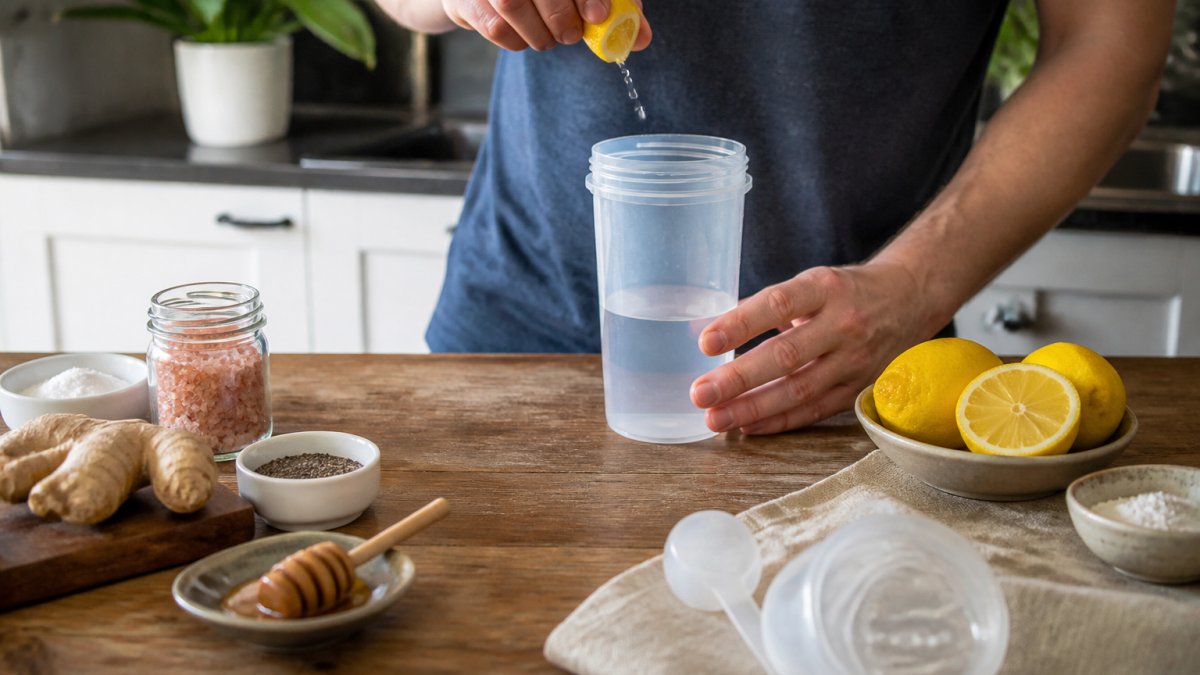
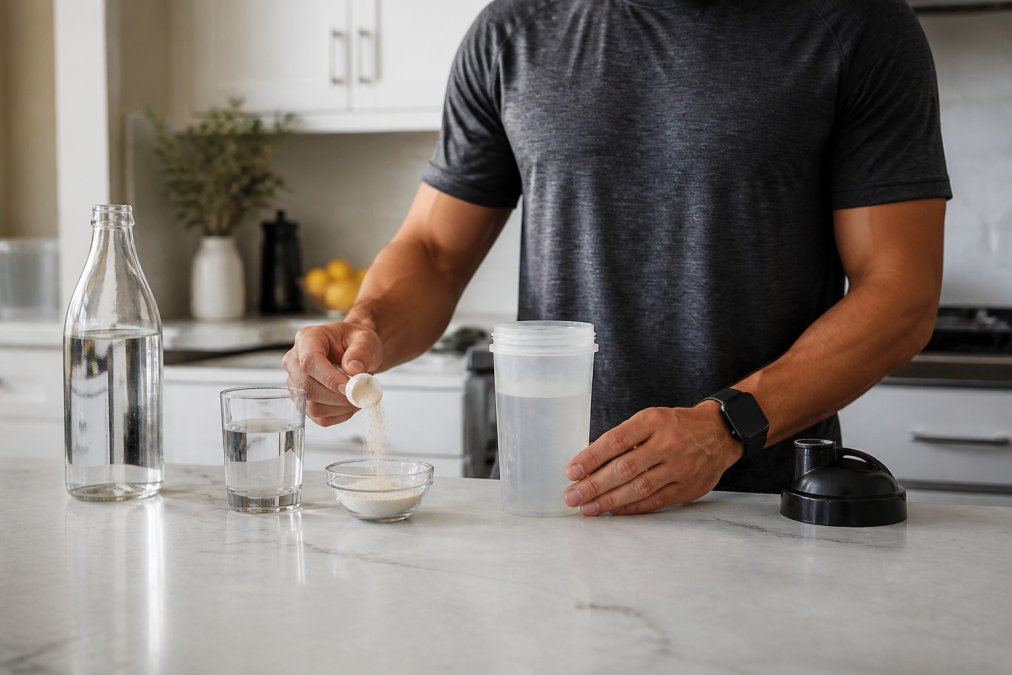
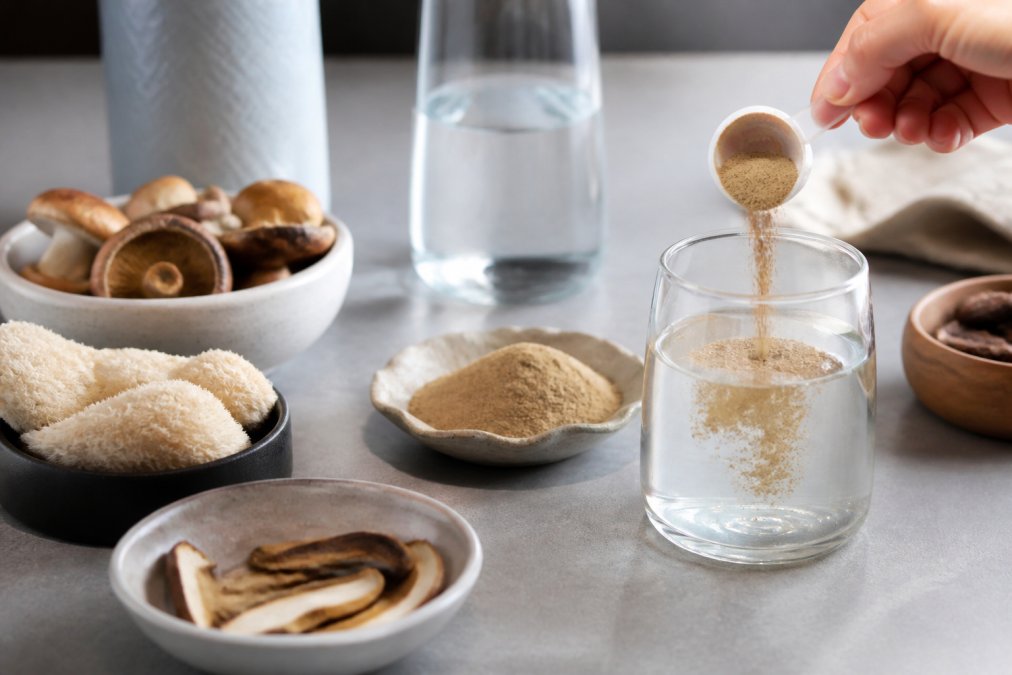
Mixing is simple, but a few details affect how well it works. Start with 8 to 12 ounces of cold or room-temperature water. Pour the water first, then add one scoop of powder. Stir for 15 to 20 seconds or use a shaker bottle for a smoother consistency.

Temperature matters more than most people realize. Hot water can degrade some of the heat-sensitive compounds in mushrooms, so avoid mixing into boiling liquids. Cold water works best for taste, and it makes the drink more refreshing after a workout.
If you're sensitive to texture, blend the powder with a small amount of water first to form a paste, then add the rest. This prevents clumping and gives a smoother mouthfeel. Most mushroom blends have an earthy undertone, but a well-formulated product should not taste like dirt. Look for one that balances the fungal notes with clean, natural flavoring.
Step 2: Best Time to Take Electrolytes for Recovery
The best time to take electrolytes for recovery depends on your workout schedule and sweat rate. For most people, consuming a blend within 30 to 60 minutes after exercise is the sweet spot. This window aligns with when your body is most receptive to nutrient absorption and rehydration.
For longer sessions exceeding 60 minutes, consider splitting your intake. Drink half before you start and half afterward. This pre-loading strategy helps maintain serum electrolyte levels during the workout, which reduces the risk of muscle cramping and supports endurance performance. benefits of mushroom coffee.
A common mistake is waiting until the next morning to rehydrate. By then, your body has been running a deficit for hours, and you're playing catch-up. Evening workouts are the exception: if you train late, a small dose after your session is fine, but avoid drinking large volumes right before bed to prevent disrupted sleep.
Step 3: Match Your Dose to Your Activity Level
The table below provides a general framework, but the most accurate way to dose is to calculate your individual sweat rate. This moves you from guesswork to precision, ensuring you replace what you actually lose without overdoing it.
How to Calculate Your Sweat Rate
This simple at-home test gives you a personalized number to guide your intake:
- Weigh yourself nude immediately before a workout, after using the restroom.
- Perform a typical 60-minute workout at your usual intensity and in your usual environment. Keep a bottle of water handy and drink a measured amount (e.g., 16 oz).
- Immediately after the workout, towel off, and weigh yourself nude again.
- Calculate the difference: (Pre-workout weight in lbs - Post-workout weight in lbs) x 16 oz = Fluid loss in ounces. Then, add the volume of fluid you consumed during the workout (e.g., 16 oz). This total is your hourly sweat rate.
Example: If you lost 1.5 lbs during a 60-minute run and drank 12 oz of water, your sweat rate is (1.5 x 16) + 12 = 36 oz per hour. This is a high sweat rate, indicating you are a 'salty sweater' and need a full serving of electrolytes per hour, potentially even more sodium.
Applying Your Sweat Rate to the Blend
Here’s how to use that number to fine-tune your serving:
| Activity Level | Example Session | Recommended Intake | Timing |
|---|---|---|---|
| Light (Sweat rate < 16 oz/hr) | Yoga, walking, <45 min gym | Half serving (approx. 4-6 oz water) | After session |
| Moderate (Sweat rate 16-32 oz/hr) | 45-90 min cardio or strength | 1 full serving (8-12 oz water) | Within 30 min after |
| Heavy (Sweat rate 32-48 oz/hr) | 90+ min endurance or high heat | 1 serving before + 1 after | Split pre/post workout |
| Extreme (Sweat rate > 48 oz/hr) | Marathon, multi-hour events | 1 serving per hour of activity | Throughout + after |
Beyond the Scale: The 'Sweat Test'
Your sweat's saltiness is also a key variable. If you notice white salt stains on your dark workout clothes or a gritty film on your skin after a run, you are likely a 'salty sweater' who loses more sodium per liter of sweat than average. In this case, you should err on the higher end of the serving range or consider a blend that offers a higher sodium-to-potassium ratio. For heavy sessions in high heat, your sweat rate can exceed one liter per hour. In those conditions, plain water alone won't cut it. You need the sodium and potassium to trigger proper fluid absorption at the cellular level.
If you have hypertension, kidney disease, or are on a doctor-prescribed low-sodium diet, consult your physician before adding an electrolyte supplement to your routine.
Common Mistakes to Avoid with Your Mushroom Electrolyte Blend
The biggest error people make is treating the blend like a daily multivitamin and drinking it multiple times a day regardless of need. Your body excretes excess electrolytes through urine, so more is not better. Match intake to actual losses from sweat.
Another frequent issue is mixing with caffeinated beverages or alcohol. Caffeine acts as a diuretic, which works against the rehydration goal, and alcohol impairs the body's ability to regulate fluid balance (medlineplus.gov). If you want both, separate them by at least a couple of hours.
Finally, don't ignore the sodium question. Many people on low-sodium diets assume all sodium is bad, but the type and amount matter. A balanced formula with a moderate sodium level, like Hydrate Heroes' Balanced 88 Gold Sodium™, provides what you need without the excessive amounts found in traditional sports drinks. For context, a standard sports drink can contain several times more sodium than a serving of a balanced hydration powder, and many also rely on artificial colors and sweeteners that offer no nutritional value.
When to Expect Results and How to Track Progress
Most people notice a difference within the first week of consistent use. Some users report reduced muscle fatigue, less next-day soreness after hard training, steadier energy levels, and improved mental clarity during afternoon work sessions.
To track progress effectively, monitor three things: your hydration status (urine color is a simple proxy), how your muscles feel 24 hours after training, and your energy consistency throughout the day. Keep a simple log for two weeks, noting your workout intensity, how much you drank, and how you felt the next day.
If you're coming from a standard sugar-based sports drink, expect a transition period. Your palate will need a few days to adjust to a less sweet profile. Stick with it, and pay attention to whether the bloating you may have experienced with other products disappears. That's often the first sign that a cleaner formula is working better for your gut.
For those managing conditions like Type 2 diabetes or following a strict keto protocol, the sugar-free nature of a mushroom electrolyte blend makes it a safer choice than conventional options. The absence of sucralose matters too, as some research suggests artificial sweeteners can disrupt the gut microbiome. A clean, plant-based formula sidesteps that concern entirely.
Choosing the right recovery drink comes down to understanding what your body actually loses during exercise and what it needs to rebuild. Most athletes find that a mushroom electrolyte blend addresses both hydration and recovery more completely than sugar-laden sports drinks. Hydrate Heroes combines six functional mushrooms with premium electrolytes and zero sugar, making it a practical choice for anyone serious about clean performance nutrition. Get started with Hydrate Heroes and give your recovery routine the upgrade it deserves.
Frequently Asked Questions
Can mushroom electrolyte powders replace traditional sports drinks?
Yes, for most training sessions. A mushroom electrolyte blend replaces the sodium, potassium, and magnesium lost through sweat while adding functional mushroom benefits like adaptogenic support and cognitive focus. Traditional sports drinks often pack 20-30 grams of sugar per serving. Mushroom electrolyte powders deliver hydration with zero sugar and only five calories. For ultra-endurance events lasting multiple hours, you may still need additional carbohydrates from whole food sources.
How long does it take for mushroom electrolyte blends to aid in recovery?
Hydration effects begin within 30 minutes of drinking. The electrolytes help restore fluid balance quickly, while the functional mushrooms work on a longer timeline. Some adaptogenic compounds require consistent daily use over 2-4 weeks for full effects on recovery and stress response. For acute post-workout recovery, you will notice reduced muscle cramping and better rehydration within the first hour. The cumulative benefits build with regular use.
What not to take with mushroom supplements?
Most mushroom electrolyte blends are safe with food and other supplements, but timing matters. Avoid taking them with high-caffeine products if you are sensitive to stimulation, since some functional mushrooms may amplify focus. If you take blood-thinning medication or immunosuppressants, check with your doctor first, as certain mushroom compounds can interact with these drugs. For daily use, space your mushroom electrolyte blend at least two hours apart from other medications.
Which electrolyte is best for muscle recovery?
Magnesium is the most critical electrolyte for muscle recovery because it supports muscle relaxation and protein synthesis. Look for magnesium glycinate in your mushroom electrolyte blend, as this form has better absorption and is gentler on the stomach than magnesium oxide. Sodium and potassium matter too, but they primarily handle fluid balance. A blend with all three, plus trace minerals like chloride and calcium, gives you complete post-workout replenishment.