 ultimate-guide
How to Prevent Electrolyte Imbalance Naturally
Table of Contents
- What an Electrolyte Imbalance Actually Feels Like
- Foods High in Electrolytes: What to Eat Daily
- Natural Electrolyte Drink Recipes for Daily Hydration
- The Dangers of Artificial Sweeteners in Hydration Products
- Medications That Drain Your Electrolytes
- How to Match Electrolyte Intake to Your Lifestyle
- Conclusion
- Frequently Asked Questions
Last Updated: September 15, 2026
What an Electrolyte Imbalance Actually Feels Like
An electrolyte imbalance is a disruption in the levels of charged minerals your body needs to regulate nerve signaling, muscle contraction, and fluid balance. Most people learn how to prevent electrolyte imbalance naturally only after a miserable first encounter with it: a mid-afternoon crash, a leg cramp that wakes them at 2 a.m., or a headache that water alone won't touch. This guide walks through the warning signs, the foods and drinks that actually work, and the medication interactions most articles skip entirely.
The honest truth is that mild imbalances are common and usually correctable through diet. Severe ones are a medical matter. Knowing which is which is the whole game.
Early Warning Signs Most People Ignore
The first symptoms rarely look dramatic. They look like a bad day.
- Persistent fatigue that doesn't improve after sleep
- Muscle twitching or cramps, especially in the calves and feet
- Dizziness when standing up quickly
- Brain fog or difficulty concentrating
- Headaches that return despite regular water intake
- Dry mouth, dark urine, or reduced urination
A common mistake is treating these as separate problems. In practice, they tend to cluster, and the cluster points to mineral loss rather than simple dehydration. If you're drinking plenty of water and still feel off, hydration volume isn't your issue.
What Depletes Sodium, Potassium, and Magnesium
Sweat is the obvious culprit, but it's not the only one. Sodium, potassium, magnesium, calcium, chloride, bicarbonate, and phosphate all participate in homeostasis, and each can drift for different reasons.
- Heavy sweating: endurance exercise, hot weather, physical labor
- Illness: vomiting, diarrhea, fever
- Alcohol: increases urinary mineral loss
- Caffeine: mild diuretic effect, more pronounced at high intake
- Low-carb diets: the body sheds water and sodium rapidly in the first weeks
- Medications: covered in detail below
Foods High in Electrolytes: What to Eat Daily
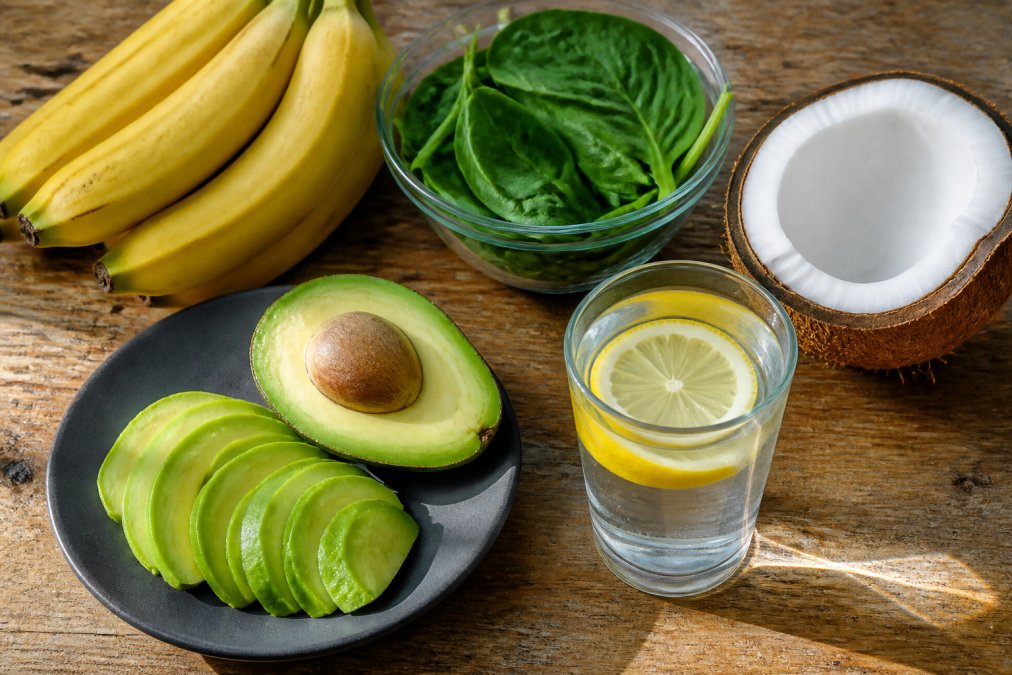
The most reliable path to balance runs through your plate, not a shaker bottle. Foods high in electrolytes deliver minerals alongside the cofactors your body needs to absorb them, and the form of the mineral matters as much as the milligram count on a label.
| Mineral | Food Sources | Typical Daily Need | Best-Absorbed Form |
|---|---|---|---|
| Sodium | Sea salt, olives, pickles, cottage cheese, miso | Varies with sweat loss | Sodium chloride (table/sea salt) |
| Potassium | Potatoes, bananas, spinach, avocado, white beans, coconut water | Roughly 3,500 mg | Potassium citrate and malate in whole foods |
| Magnesium | Pumpkin seeds, almonds, black beans, spinach, cocoa | 310-420 mg | Magnesium citrate, glycinate, malate |
| Calcium | Yogurt, sardines with bones, fortified plant milks, bok choy | 1,000-1,200 mg | Calcium citrate and dairy calcium |
Build meals around whole foods first. Supplements fill gaps; they don't replace a diet that's missing minerals in the first place.
How Your Body Absorbs Minerals From Food
Bioavailability, the proportion of a nutrient your body actually absorbs and uses, varies sharply between sources. This is the angle most hydration articles skip, and it's the reason two people eating the same "electrolyte-rich" meal can end up with very different mineral status.
Magnesium forms are not interchangeable. Magnesium oxide, the cheapest and most common form in drugstore supplements, absorbs at roughly 4 percent (ods.od.nih.gov). Magnesium citrate absorbs at roughly 25-30 percent, and magnesium glycinate and malate are similarly well-absorbed and gentler on the gut. Food sources like pumpkin seeds, almonds, and black beans deliver magnesium alongside fat, protein, and fiber, which slows transit and improves uptake.
Potassium from food behaves differently than potassium from a pill. Whole-food potassium arrives gradually, buffered by fiber and water. A concentrated potassium supplement can spike serum levels quickly, which is why over-the-counter potassium pills are capped at 99 mg per serving in the United States, while a single medium potato delivers around 900 mg. For most people, food is the safer and more effective route.
Calcium absorption depends on what it's paired with. The calcium in dairy and fortified plant milks absorbs well. The calcium in spinach is bound by oxalates and absorbs poorly, often under 5 percent. Rhubarb, beet greens, and Swiss chard have the same problem. Bok choy, kale, broccoli, and calcium-set tofu are low-oxalate alternatives that absorb far better.
Sodium is the exception. It absorbs almost completely from food and drink, so the question isn't bioavailability, it's quantity relative to sweat loss.
What blocks absorption:
- Phytates in unsoaked whole grains and legumes bind magnesium, zinc, and iron
- Oxalates in spinach, rhubarb, and beet greens bind calcium
- Excess caffeine and alcohol increase urinary loss of magnesium and potassium
- High-dose zinc supplements compete with copper and can interfere with mineral balance over time
A Sample Day That Hits the Big Four
- Breakfast: Greek yogurt with pumpkin seeds and a banana (calcium, magnesium, potassium)
- Lunch: White bean and kale soup with a pinch of sea salt (potassium, calcium, sodium)
- Snack: Handful of almonds and a glass of coconut water (magnesium, potassium)
- Dinner: Baked potato with skin, salmon, and sautéed bok choy (potassium, magnesium, calcium)
This pattern lands near the daily targets for potassium, magnesium, and calcium without a single supplement, and it does so with the absorbable forms your body can actually use.
Natural Electrolyte Drink Recipes for Daily Hydration
A homemade drink gives you full control over what's in it. These natural electrolyte drink recipes take under two minutes each.
Classic rehydration mix
- 2 cups water
- Juice of half a lemon
- Pinch of sea salt
- 1 teaspoon raw honey (optional)
Coconut citrus cooler
- 2 cups coconut water
- Juice of one lime
- Pinch of salt
- Fresh mint
Keto-friendly version
- 2 cups water
- 1/4 teaspoon salt
- 1/4 teaspoon potassium chloride (salt substitute)
- Sugar-free flavoring of choice
For everyday hydration, sip these alongside meals rather than chugging them post-workout. Electrolyte replenishment works best spread across the day.
The Dangers of Artificial Sweeteners in Hydration Products
The dangers of artificial sweeteners are worth understanding before you grab any sugar-free bottle off the shelf. Many commercial hydration powders rely on sucralose or erythritol to hit "zero sugar" claims, and both have drawn scrutiny.
Emerging research has raised questions about how certain sugar alcohols and artificial sweeteners interact with gut bacteria. Some people report bloating, cramping, or digestive upset after regular use, particularly with erythritol. The FDA's guidance on sweeteners and sugar alcohols provides the current regulatory position, but individual tolerance varies widely.
The practical takeaway: read the ingredient panel, not the front label. "Zero sugar" tells you nothing about whether the sweetener suits your gut. If a product causes bloating within an hour of drinking it, that's your answer.
This is where Hydrate Heroes takes a different approach. Our plant-based formula skips sucralose and erythritol entirely, relying on Balanced 88 Gold Sodium™ for mineral delivery, with zero sugar and only five calories per serving.
Medications That Drain Your Electrolytes
Medication-induced imbalances are the angle most hydration articles ignore, and they're often the reason a careful eater still ends up depleted.
- Diuretics: prescribed for blood pressure and fluid retention, they increase urinary excretion of sodium, potassium, and magnesium
- Laxatives: chronic use depletes potassium and magnesium
- Certain blood pressure medications: can lower potassium or raise it, depending on the class
- Corticosteroids: promote sodium and potassium loss
- Some antidepressants: associated with low sodium in older adults
If you take any of these, your electrolyte needs are genuinely different from the average person's.
How to Match Electrolyte Intake to Your Lifestyle
Start With Sweat Rate, Not a Generic Number
Adjust for Climate
Adjust for Age
Adjust for Diet Pattern
A Simple Weekly Check-In
Conclusion
Frequently Asked Questions
What are four signs of an electrolyte imbalance?
Four common signs include muscle cramps, dizziness or lightheadedness, fatigue that does not improve with rest, and irregular heartbeat. These symptoms often appear gradually and can be mistaken for dehydration or stress. If you notice several at once, especially after intense exercise or illness, your body may be low on sodium, potassium, or magnesium. Persistent or severe symptoms warrant a call to your doctor.
What is the best drink to replenish electrolytes naturally?
Coconut water, milk, and homemade drinks combining water with a pinch of sea salt and citrus juice all provide sodium, potassium, and magnesium without added sugar. For a more complete option, a powder that includes multiple electrolytes and no artificial sweeteners can fill gaps when whole foods are not enough. The key is choosing something with real mineral content rather than sugar-heavy sports drinks.
Which whole foods are best for natural electrolyte replenishment?
Bananas and potatoes deliver potassium. Leafy greens, almonds, and pumpkin seeds cover magnesium. Dairy, sardines, and salted nuts provide sodium and calcium. Eating a mix of these across your meals supports electrolyte balance without supplements. Pairing them with adequate water helps your body absorb and use the minerals effectively throughout the day.
How does hydration timing affect electrolyte balance?
Drinking too much plain water without electrolytes can dilute sodium levels, a condition called hyponatremia. Spacing fluids throughout the day and adding electrolytes during heavy sweating or long exercise sessions helps maintain balance. Morning hydration after overnight fluid loss matters, and drinking small amounts consistently beats large volumes at once.
This article is for general information and is not medical advice. If you have a diagnosed condition, take prescription medication, or experience severe symptoms such as confusion, irregular heartbeat, or fainting, consult a licensed healthcare provider before changing your electrolyte intake.