 how-to
How to Choose Electrolyte Powder Without Sucralose
Table of Contents
- What You'll Need Before You Start Comparing Powders
- Why Sucralose in Electrolyte Powder Is Worth Avoiding
- How to Read Supplement Labels for Hidden Sugar
- The Best Electrolyte Powder Without Artificial Sweeteners: What to Look For
- Functional Mushroom Electrolyte Benefits for Hydration and Focus
- Common Mistakes When Shopping for Sucralose-Free Hydration
- Frequently Asked Questions
Last Updated: September 10, 2026
What You'll Need Before You Start Comparing Powders
Learning how to choose electrolyte powder without sucralose starts before you ever read a label. This Hydrate Heroes guide covers the label-reading skills, ingredient knowledge, and cost math that separate a genuinely clean formula from one that just markets itself that way.
Sucralose, sold under the Splenda name, shows up in a huge share of mainstream electrolyte sticks and tubs, often alongside sugar alcohols like erythritol that can trigger bloating in sensitive guts. Neither belongs in a product you drink daily.
Once you know the four or five label signals that matter, you can evaluate any powder in about ninety seconds.
Before comparing, gather these reference points:
- The minerals you actually need (sodium, potassium, magnesium)
- A rough idea of your daily sweat loss and activity level
- The serving size math for each product
- Which sweeteners you personally want to avoid
That last point matters most.
Why Sucralose in Electrolyte Powder Is Worth Avoiding
Sucralose is a chlorinated artificial sweetener roughly 600 times sweeter than sugar and the most common sweetener in sugar-free hydration products (the FDA). Avoiding it is a reasonable default for anyone drinking electrolyte powder several times a week. The concern isn't calories, it's what happens in your digestive tract and how your body responds to a sweet taste with no accompanying energy.
How Sucralose Affects Gut Bacteria and Blood Sugar
Research on artificial sweeteners and the gut microbiome is mixed enough that many health-conscious consumers simply skip them. Some studies suggest sucralose can alter gut bacteria in ways that affect digestion and, in some people, glucose tolerance, reason enough for anyone managing insulin response to look elsewhere. If you're drinking electrolytes daily, choose a sweetener you're comfortable with long-term. Sucralose rarely makes that list.
The Sugar Alcohol Problem: Erythritol and Bloating
Erythritol is the other sweetener to watch: a sugar alcohol with almost no calories that doesn't spike blood sugar, which is why so many "keto-friendly" powders rely on it. The catch is digestive. Sugar alcohols are poorly absorbed in the small intestine and ferment in the colon, causing gas, cramping, and bloating for some people, especially at higher doses. Erythritol is gentler than sorbitol or maltitol, but "gentler" isn't "no effect." If you've felt bloated after a "clean" hydration drink, a sugar alcohol is a likely culprit.
How to Read Supplement Labels for Hidden Sugar
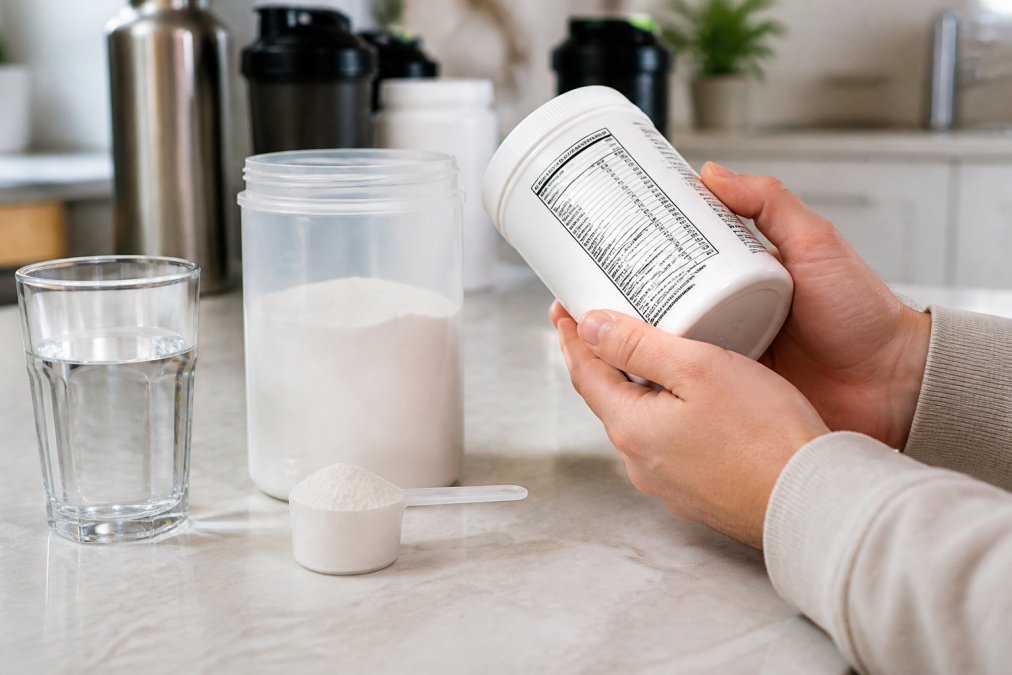
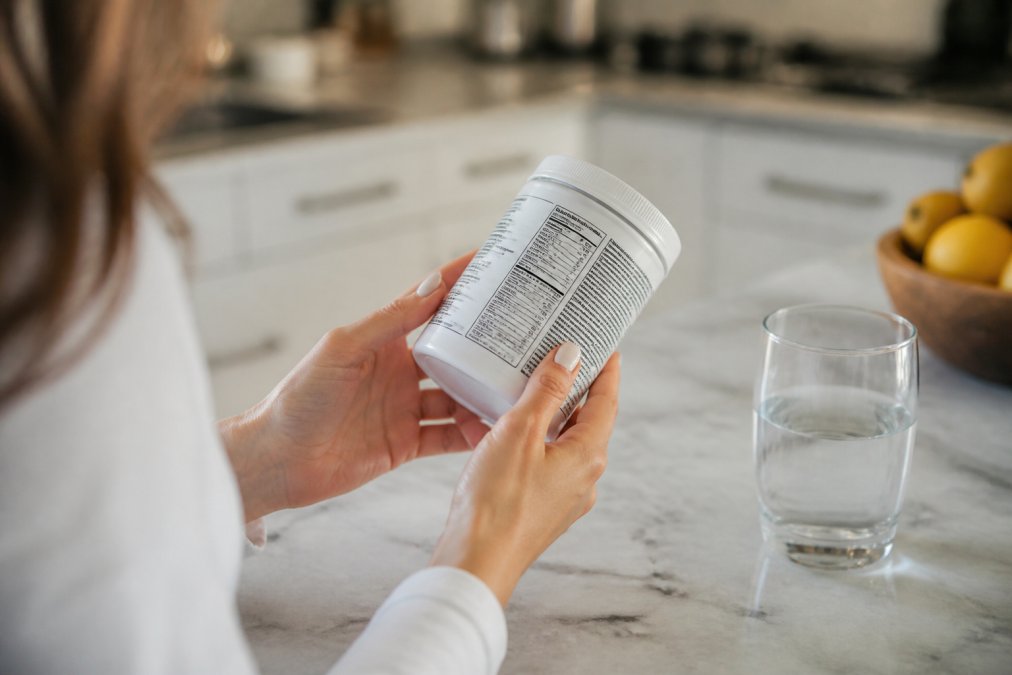
Reading a supplement label for hidden sugar comes down to three places: the Supplement Facts panel, the ingredient list below it, and your own serving-size math. The panel gives numbers, the ingredient list tells the truth behind them, and the serving math tells you whether the price is real.
Decoding the Supplement Facts Panel
Start with total carbohydrates and sugars. A genuinely sugar-free electrolyte powder should show zero grams of sugar and minimal total carbs per serving. If total carbs are higher than you'd expect from the minerals alone, something else is contributing, often a sugar alcohol, a bulking agent, or a dextrose-based flavor carrier.
Next, check the sodium, potassium, and magnesium amounts per serving and compare them to your actual needs. A powder with tiny mineral doses is mostly flavoring, no matter how clean the label looks. For context on daily mineral needs, the NIH Office of Dietary Supplements mineral fact sheets is a reliable reference.
Then look for the phrase "proprietary blend." When a manufacturer lists a single milligram amount for a blend of several ingredients, you cannot tell how much of each mineral you're actually getting. A blend that reads "Electrolyte Blend 500 mg" could be 480 mg of cheap sodium chloride and 20 mg of everything else. Reputable clean-label brands list each mineral separately with its own milligram amount. If a brand hides behind a blend, treat that as a signal.
Finally, look at serving size. Some brands list a "serving" as half a scoop, which doubles the real cost and halves the real mineral content. Others list a serving as one scoop but expect you to use two for a full dose of flavor. Multiply the servings per container by the mineral content per serving to get the true picture.
Sweetener Aliases and Blends That Hide on Ingredient Lists
Sucralose doesn't always announce itself plainly, and it's rarely the only sweetener in a formula. Watch for these names:
- Sucralose (also listed as Splenda in some marketing)
- Acesulfame potassium or ace-K
- Aspartame
- Erythritol, xylitol, sorbitol, maltitol (sugar alcohols)
- "Natural flavors" paired with an unspecified sweetener
The bigger trap is sweetener blends. Many products combine sucralose with ace-K or a sugar alcohol, then market the result as "naturally sweetened" because one component is plant-derived. A label reading "stevia leaf extract, erythritol" is a sugar-alcohol formula with a pinch of stevia for the marketing claim. Read the full sweetener list, not just the first name.
A truly clean label names its sweetener source outright: stevia leaf extract, steviol glycosides, or monk fruit extract, and nothing else. Vague terms or three stacked sweeteners masking the taste of one are a signal.
The Cost-Per-Serving Math That Exposes Cheap Formulas
Cost per serving, not cost per tub, tells you whether a powder is actually affordable. Divide the total price by the number of servings in the container.
A large tub that looks expensive can be cheaper per serving than a small one if it delivers more scoops, while a bargain tub with a half-scoop serving can cost more than it appears. Run the math on three products side by side and the pattern becomes obvious. sugar-free powder options.
Then divide cost per serving by milligrams of sodium plus potassium per serving. That cost-per-milligram-of-electrolyte figure separates a premium formula from a marked-up flavored drink. A powder that costs a little more per serving but delivers more absorbable minerals and no filler is often the better value, especially if you drink it daily.
The Best Electrolyte Powder Without Artificial Sweeteners: What to Look For
The best electrolyte powder without artificial sweeteners hits four marks: absorbable mineral forms, a clean sweetener, a transparent label, and a sensible cost per serving. Miss one and you're compromising somewhere. Mineral form is the mark most shoppers skip, and it determines whether the powder actually does anything.
Mineral Forms That Your Body Actually Absorbs
Bioavailability, how much of a mineral your body can actually use, varies dramatically by form. This is where cheap formulas cut corners.
| Mineral | Common Form | Better-Absorbed Form | Why It Matters |
|---|---|---|---|
| Sodium | Table salt | Sodium chloride with trace minerals | Supports cellular hydration |
| Potassium | Potassium chloride | Potassium citrate | Gentler on the stomach |
| Magnesium | Magnesium oxide | Magnesium malate, glycinate, or citrate | Higher absorption, less laxative effect |
The mechanism matters. Magnesium oxide is cheap and poorly absorbed, only a small fraction reaches your bloodstream, and the unabsorbed portion sits in your gut, which is why oxide forms are commonly used as laxatives. Magnesium malate and glycinate cost more but bind magnesium to an organic carrier your body recognizes, so more ends up where it counts and less causes digestive distress. Potassium citrate is easier on digestion than potassium chloride, which can irritate the stomach lining at higher doses. Sodium is the exception: plain sodium chloride works well, but formulas with trace minerals from a natural source tend to be better tolerated than isolated table salt.
A common pattern is a label listing magnesium oxide because it's inexpensive, then marketing the product as "high in magnesium" without noting that most of it won't be absorbed. Oxide forms paired with premium pricing are a mismatch worth questioning.
Cost Per Serving: The Number Most Shoppers Skip
When you compare powders, line up the mineral content per dollar. A formula that costs a little more per serving but delivers more absorbable minerals and no filler is often the better value, especially if you drink it daily. The reverse is also true: a formula that looks cheap per tub but uses oxide minerals and a half-scoop serving is the most expensive option on the shelf once you do the math.
The Digestive Trade-Off Most Guides Ignore
Here's the angle most "no-sucralose" guides miss: swapping sucralose for a sugar alcohol doesn't automatically solve the problem. Erythritol, xylitol, sorbitol, and maltitol are all poorly absorbed in the small intestine and ferment in the colon, causing gas, cramping, and bloating for some people, especially at higher doses. The cleanest formulas skip sugar alcohols entirely and rely on a small amount of stevia or monk fruit, or go unflavored and let you add your own sweetener. Make that trade-off consciously rather than assuming a "no sucralose" label means a gentle formula.
Unflavored vs. Flavored: A Practical Shortcut
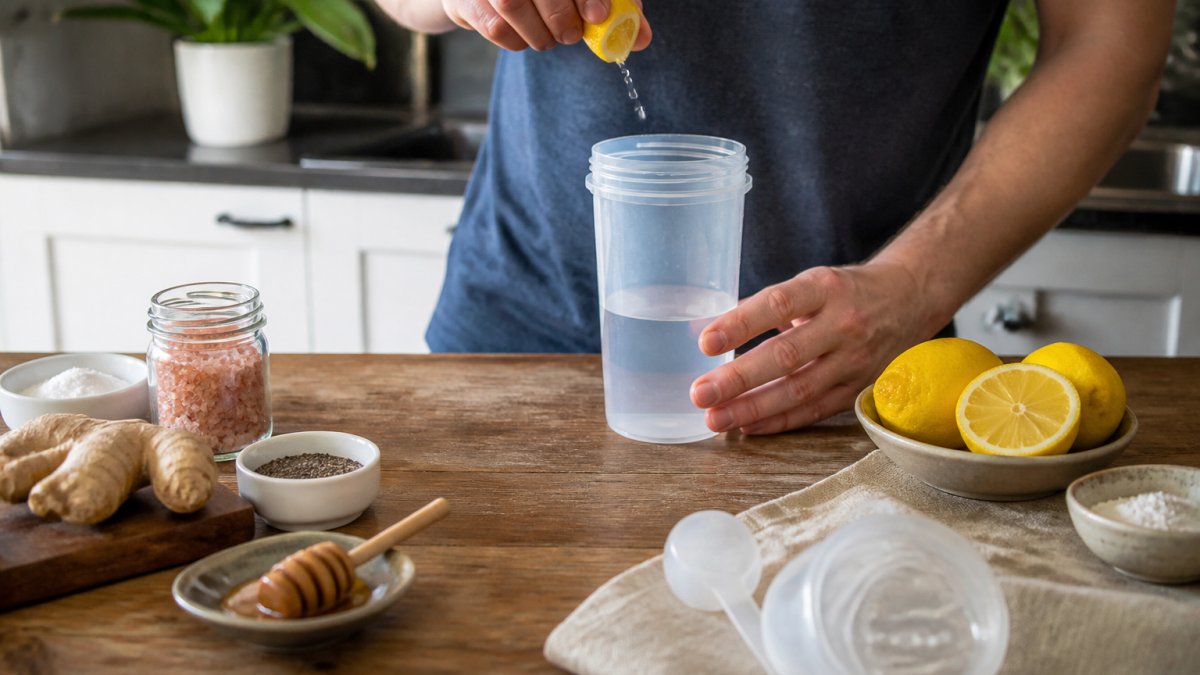
If label-reading fatigue sets in, unflavored electrolyte powder is the fastest shortcut to a clean formula: no sweetener to hide, no flavor carrier to decode, no sugar alcohol to trigger bloating. You add your own flavor, a squeeze of lemon, a pinch of sea salt, a splash of juice, and control exactly what goes in. Flavored options can be excellent, but they require the label-reading work above.
Functional Mushroom Electrolyte Benefits for Hydration and Focus
Functional mushroom electrolyte benefits come from pairing mineral replenishment with adaptogenic mushrooms that support focus and steady energy without caffeine. Lion's mane and cordyceps have gained attention for mental clarity and physical performance; combined with electrolytes, they offer a caffeine-free alternative for people who want hydration and focus without the jitters of a stimulant-heavy drink.
Hydrate Heroes offers a formula that combines six functional mushrooms with premium electrolytes, uses its proprietary Balanced 88 Gold Sodium™, and contains zero sugar with no sucralose or erythritol. At five calories per serving, it's built for people who want clean replenishment without the ingredients they're trying to avoid.
For anyone following a keto, paleo, or vegan approach, that combination matters: the minerals your body needs plus mushroom focus support, without the sweeteners or sugar alcohols that cause problems for so many people.
Common Mistakes When Shopping for Sucralose-Free Hydration
The most common mistake when shopping for sucralose-free hydration is trusting the front of the package. Claims like "clean" or "natural" aren't regulated the way you might assume. Here are the errors that trip up even careful shoppers:
- Skipping the ingredient list. The Supplement Facts panel shows numbers, but the ingredient list reveals the sweetener and filler sources.
- Assuming "sugar-free" means "clean." A product can be sugar-free and still loaded with artificial sweeteners or sugar alcohols.
- Ignoring serving size. A "serving" of half a scoop hides the true cost and mineral content.
- Overlooking fillers. Cheap bulking agents like brown rice powder add volume without value.
- Chasing the lowest price. The cheapest option often skimps on absorbable mineral forms.
Buying on a single buzzword is another trap: "keto-friendly" means little if the ingredient list is full of sugar alcohols.
For additional context on how sweeteners are regulated and labeled, the U.S. Food and Drug Administration sweetener guidance is a useful reference when you're unsure what a term legally means.
Choosing an electrolyte powder without sucralose comes down to reading labels carefully, understanding mineral forms, and doing a little cost math. It takes a few extra minutes but saves you from the ingredients you were trying to avoid.
At Hydrate Heroes, we built our formula for exactly this shopper: six functional mushrooms, premium electrolytes, Balanced 88 Gold Sodium™, zero sugar, and no sucralose or erythritol, all at five calories per serving. Get started with Hydrate Heroes and hydrate with ingredients you can actually feel good about.
Frequently Asked Questions
Is there an electrolyte drink without sucralose?
Yes. Several electrolyte powders on the market skip sucralose entirely and sweeten with stevia leaf extract, monk fruit extract, or nothing at all. The key is checking the ingredient list, not just the front label. Terms like 'zero sugar' and 'naturally flavored' do not guarantee a sucralose-free formula. Look for products that list every ingredient by name, show a full supplement facts panel, and state clearly that they contain no artificial sweeteners. Hydrate Heroes, for example, uses no sucralose or erythritol in its plant-based electrolyte powder.
What ingredients should I avoid in electrolyte powder?
Watch for sucralose, acesulfame potassium, aspartame, and sugar alcohols like erythritol, maltitol, and sorbitol. These can cause bloating, gas, or digestive discomfort, especially in people following keto or low-carb diets. Also check for artificial colors (Yellow 5, Red 40), dextrose, maltodextrin, and natural flavors that do not specify the source. A clean electrolyte powder lists recognizable ingredients: sodium chloride, potassium citrate, magnesium malate, and trace minerals from real food sources.
Are there natural alternatives to sucralose in electrolyte mixes?
Steviol glycosides from the stevia plant and monk fruit extract are the two most common natural alternatives. Both are zero-calorie, do not raise blood sugar, and have a glycemic index of zero, making them suitable for keto and diabetic-friendly formulas. Stevia can carry a slight bitter aftertaste at high doses, while monk fruit tends to taste cleaner. Some brands use a blend of both to balance flavor. Neither has been linked to the gut microbiome disruption associated with sucralose.
How do I read an electrolyte powder label for hidden additives?
Start with the supplement facts panel: check sodium, potassium, and magnesium amounts per serving, then look at the ingredient list below it. If you see sucralose, acesulfame potassium, or any ingredient ending in '-ol' (erythritol, maltitol, xylitol), the product contains artificial sweeteners or sugar alcohols. Also scan for maltodextrin, dextrose, and unnamed 'natural flavors.' A transparent label names every mineral form, states the source of any flavoring, and does not hide additives behind proprietary blends.