 ultimate-guide
What's the Healthiest Electrolyte Drink? A 2026 Guide
Table of Contents
- What Makes an Electrolyte Drink Actually Healthy?
- Signs of Electrolyte Imbalance You Shouldn't Ignore
- Choosing an Electrolyte Powder Without Artificial Sweeteners
- How to Read Electrolyte Supplement Labels Correctly
- Benefits of Functional Mushrooms in Hydration
- The Healthiest Electrolyte Drink for Your Specific Situation
- Natural Sources of Electrolytes and DIY Drink Recipes
- Conclusion
Last Updated: August 24, 2026
What Makes an Electrolyte Drink Actually Healthy?
Finding the healthiest electrolyte drink is harder than it looks. The market is flooded with products making bold hydration claims, yet many contain artificial sweeteners, excessive sodium, or filler ingredients that undermine their wellness goals. A healthy electrolyte drink delivers the right minerals in absorbable forms, without sugar, artificial sweeteners, or synthetic additives.
The Core Electrolytes: Sodium, Potassium, Magnesium, and Calcium
Electrolytes are minerals that carry an electrical charge in body fluids, enabling nerve signaling, muscle contractions, and fluid balance at the cellular level. The four that matter most are sodium, potassium, magnesium, and calcium.
Sodium drives fluid retention and cellular hydration. Potassium counterbalances sodium and supports muscle function. Magnesium supports metabolic function and helps prevent muscle cramps. Calcium plays a role in acid-base balance and bone signaling. These minerals work together, a product that loads up on sodium while skimping on potassium and magnesium creates an imbalance that can worsen hydration status over time.
Osmolarity: Why Hypotonic and Isotonic Formulas Absorb Faster
Osmolarity describes the concentration of dissolved particles in a solution relative to blood plasma, which determines how quickly your gut absorbs the fluid.
- Hypotonic solutions are less concentrated than blood plasma and absorb fastest, ideal for rapid rehydration
- Isotonic solutions match blood plasma concentration and suit endurance training and post-workout recovery
- Hypertonic solutions are more concentrated and absorb more slowly, generally not ideal for pure hydration
Most mainstream sports drinks sit in the hypertonic range due to added sugars. A genuinely healthy formula targets hypotonic or isotonic osmolarity, meaning lower sugar content and a more balanced mineral profile.
Signs of Electrolyte Imbalance You Shouldn't Ignore
Electrolyte depletion doesn't always announce itself dramatically. Common signs include muscle cramps during or after exercise, persistent fatigue, headaches after sweating, brain fog, irregular heartbeat, and dizziness when standing up quickly.
According to the National Institutes of Health Office of Dietary Supplements, inadequate magnesium intake is common and associated with muscle cramps, fatigue, and poor metabolic function. Sodium imbalance is one of the most common electrolyte disorders seen in clinical settings.
If you're experiencing persistent symptoms, serum electrolyte levels can be measured through a standard blood panel ordered by your physician.
Choosing an Electrolyte Powder Without Artificial Sweeteners
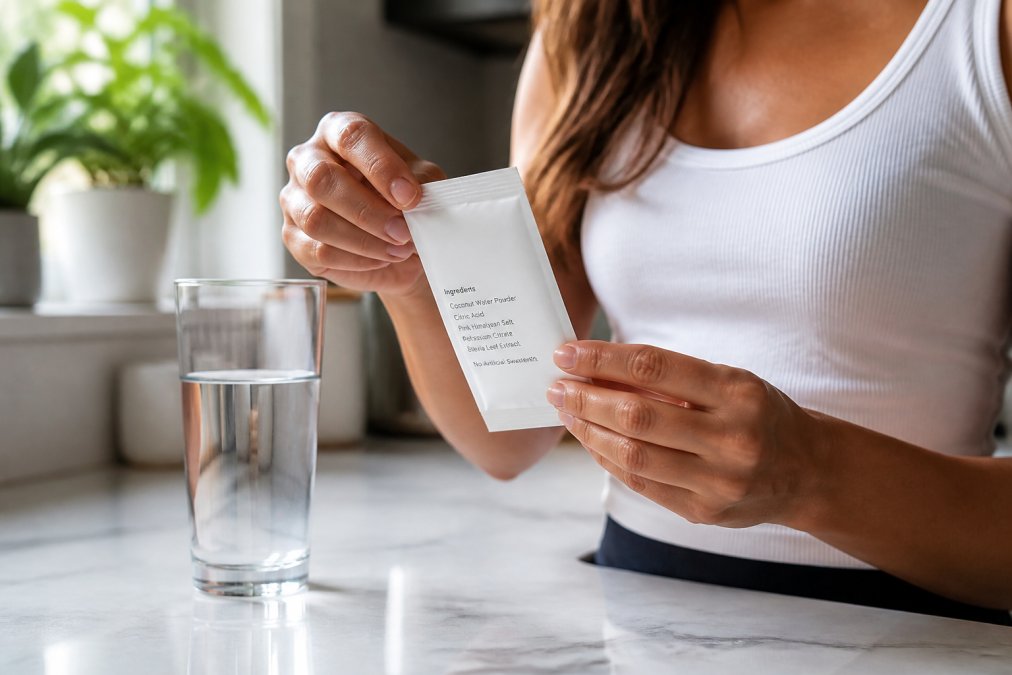
The electrolyte powder without artificial sweeteners category has grown significantly, but not all products that claim to be "clean" actually are. A genuinely clean formula will list recognizable mineral sources, use natural flavoring from real fruit or plant extracts, and avoid anything ending in "-ose" (a sugar) or "-ol" (a sugar alcohol).
Why Sucralose and Erythritol Raise Red Flags
Sucralose is a chlorinated sugar compound. Research published through the National Library of Medicine has raised questions about its effects on gut microbiome composition, with some studies suggesting it may disrupt beneficial bacterial populations at higher doses.
Erythritol, a sugar alcohol, causes bloating and digestive distress in a significant subset of people. Researchers have begun examining its potential cardiovascular implications, adding another layer of caution.
Hydrate Heroes excludes both sucralose and erythritol entirely, using zero sugar and delivering only five calories per serving.
Cost-Per-Serving: What Clean Formulas Actually Cost You
Clean electrolyte powders typically cost more per serving than conventional sports drinks due to quality mineral forms and the absence of cheap sweetener fillers. Divide the total price by the number of servings to evaluate true cost per use.
| Format | Typical Serving Count | Convenience | Best For |
|---|---|---|---|
| Single-serve packets | 10-30 per box | High, portable | Travel, gym bag |
| Bulk powder tub | 30-60 per container | Medium, scoop required | Daily home use |
| Ready-to-drink bottles | 1 per bottle | Highest | On-the-go, no mixing |
| Effervescent tablets | 20-40 per tube | High, dissolves in water | Travel, minimalist use |
For current pricing on Hydrate Heroes, check the official website directly, as pricing varies by quantity and subscription options.
How to Read Electrolyte Supplement Labels Correctly
Start with the Supplement Facts panel, not the front-of-package claims. Look for serving size, sodium content in milligrams, potassium and magnesium amounts, and the "other ingredients" list where sweeteners and fillers hide.
The FDA's dietary supplement labeling guidance requires all ingredients be disclosed, but does not require manufacturers to disclose proprietary blend ratios.
Bioavailability: Which Mineral Forms Your Body Actually Absorbs
Bioavailability is the proportion of a nutrient your body actually absorbs and uses. The mineral form listed on the label tells you a great deal:
- Magnesium malate and magnesium glycinate are well-absorbed; magnesium oxide is poorly absorbed
- Potassium citrate absorbs more readily than potassium chloride
- Calcium phosphate is stable and bioavailable; calcium carbonate is less so
- Sodium chloride is effective and well-absorbed in appropriate amounts
A product using highly bioavailable mineral forms delivers more actual electrolyte benefit per serving, even if the milligram count looks similar to cheaper alternatives.
Benefits of Functional Mushrooms in Hydration
Functional mushrooms such as lion's mane, reishi, chaga, and cordyceps contain bioactive compounds including beta-glucans, adaptogens, and antioxidants that support immune function, cognitive performance, and stress adaptation. When combined with electrolytes, they address multiple wellness goals in a single serving.

Hydrate Heroes is the only electrolyte powder on the market that combines six functional mushrooms with a premium electrolyte profile. This matters for athletes seeking cognitive support alongside physical recovery, and for professionals wanting mental clarity without caffeine. The plant-based formula delivers these benefits at only five calories per serving.
The Healthiest Electrolyte Drink for Your Specific Situation
The healthiest electrolyte drink depends on what you're asking it to do. A formula ideal for a marathon runner differs from what's needed for a child playing youth soccer or daily wellness use.
Endurance Athletes and Post-Workout Recovery
For endurance athletes, priorities are glycogen replenishment support, rapid rehydration, and sodium replacement proportional to sweat rate. Post-workout recovery calls for a formula addressing electrolyte depletion across all key minerals, not just sodium. Magnesium is particularly important, as it's lost through sweat and plays a central role in muscle recovery and reducing cramping. An isotonic or hypotonic formula is preferable to a hypertonic one that slows gastric emptying.
A formula that includes functional mushrooms alongside electrolytes supports both physical rehydration and mental recovery simultaneously.
Medical Considerations: Diabetes, Kidney Health, and Low-Sodium Needs
Type 2 diabetes: Blood sugar management is the primary concern. Any electrolyte drink containing added sugars, maltodextrin, or high-glycemic sweeteners is problematic. A genuinely zero-sugar formula with no sucralose is appropriate. Always confirm the full ingredient list with your physician before adding any supplement.
Kidney disease: The kidneys regulate electrolyte excretion. Impaired kidney function can lead to dangerous accumulation of potassium or phosphorus. People with chronic kidney disease should not use electrolyte supplements without explicit guidance from their nephrologist.
Low-sodium needs: Hypertension and heart failure often require sodium restriction. Hydrate Heroes uses a proprietary Balanced 88 Gold Sodium™ formulation, which provides sodium at a measured, moderate level. If your physician has prescribed a low-sodium diet, discuss the specific milligram threshold before adding any electrolyte product.
If you're managing a chronic condition, work with your healthcare provider rather than relying on the label alone.
Kids, Families, and Daily Wellness Use
For children and daily family use, avoid artificial ingredients and keep sodium at appropriate levels for smaller body weights. Many conventional sports drinks contain sodium levels calibrated for adult athletes, which is excessive for children in casual activity.
For daily wellness use outside of exercise, the goal is maintaining baseline electrolyte balance and staying consistently hydrated. A zero-sugar, low-calorie formula fits naturally into this routine without adding unnecessary ingredients.
Natural Sources of Electrolytes and DIY Drink Recipes
Whole foods remain the most bioavailable source of many electrolytes. Before reaching for any supplement, consider what your diet already provides.
| Electrolyte | Top Natural Food Sources | Notes |
|---|---|---|
| Sodium | Sea salt, olives, pickles, broth | Most people get adequate sodium from food alone |
| Potassium | Bananas, avocado, sweet potato, coconut water | Cooking can reduce potassium in vegetables |
| Magnesium | Pumpkin seeds, dark chocolate, spinach, almonds | Absorption varies by gut health |
| Calcium | Dairy, fortified plant milks, kale, sardines | Vitamin D aids absorption |
For a simple DIY electrolyte drink:
Basic DIY Electrolyte Drink
- 500ml filtered water
- 1/4 teaspoon sea salt
- Juice of half a lemon
- 1 tablespoon raw honey or a few drops of liquid stevia (optional)
- A small pinch of cream of tartar
Mix until dissolved and drink within a few hours. This formula is hypotonic and contains no artificial sweeteners. The limitation compared to a formulated powder is lack of standardized magnesium dosing and trace minerals.
According to Harvard T.H. Chan School of Public Health's nutrition resources, most healthy adults can meet their electrolyte needs through a varied whole-food diet. Supplementation becomes most relevant during intense exercise, heat exposure, illness, or when dietary intake is restricted.
| Situation | Priority Electrolytes | Formula Type | Key Avoid |
|---|---|---|---|
| Endurance athletics | Sodium, magnesium, potassium | Isotonic/hypotonic | Hypertonic, high sugar |
| Daily wellness | Balanced all four | Low-sodium, low-calorie | Artificial sweeteners |
| Keto/low-carb diet | Sodium, potassium, magnesium | Zero sugar | Erythritol, sucralose |
| Children/family | Potassium, magnesium | Low-sodium, zero sugar | High sodium, artificial dyes |
| Chronic condition mgmt | Varies by condition | Physician-guided | Unsupervised high-dose formulas |
| Post-workout recovery | Magnesium, sodium, potassium | Rapid-absorbing | Hypertonic, slow-absorbing |
Choosing the right hydration formula is harder than it should be, largely because the industry has made "healthy" a marketing term rather than a meaningful standard. The markers that actually matter are mineral form bioavailability, osmolarity, the absence of sucralose and erythritol, and a transparent label showing exactly what you're consuming. Hydrate Heroes was built around those standards, combining the Balanced 88 Gold Sodium™ electrolyte profile with six functional mushrooms in a zero-sugar, plant-based formula at five calories per serving. Visit the Hydrate Heroes website to see the full ingredient panel and find the right option for your daily routine.
Frequently Asked Questions
What's the healthiest source of electrolytes?
Whole foods like coconut water, leafy greens, bananas, and avocados supply electrolytes alongside other micronutrients. For people with higher sweat rates or specific training demands, a clean electrolyte powder that includes sodium, potassium, and magnesium without added sugars or artificial sweeteners can fill gaps that food alone doesn't cover. The healthiest source depends on your activity level, diet, and any medical conditions your doctor has flagged.
What ingredients should I avoid in electrolyte drinks?
Prioritize avoiding sucralose, erythritol, and other artificial sweeteners that may disrupt gut microbiome balance. Also watch for excessive added sugars, artificial coloring agents, and high-sodium formulas if you have cardiovascular or kidney concerns. On the label, check whether mineral forms like magnesium malate or potassium citrate are listed, since these tend to have higher bioavailability than cheaper oxide forms. Anything with a long list of unrecognizable additives is worth skipping.
Do electrolyte powders provide better hydration than sports drinks?
Many conventional sports drinks carry significant amounts of added sugars and artificial sweeteners, which can undermine their hydration benefits. A well-formulated electrolyte powder lets you control osmolarity, sodium levels, and ingredient quality in ways a bottled sports drink typically doesn't. For endurance training or daily cellular hydration, a powder without artificial sweeteners and with clinically relevant electrolyte ratios generally offers a cleaner and more flexible option than pre-mixed bottled alternatives.
Is it safe to drink electrolytes every day?
For most healthy adults, daily electrolyte supplementation is safe when the formula is low in sugar and uses balanced sodium levels. People managing Type 2 diabetes, hypertension, or kidney disease should consult a physician before daily use, since serum electrolyte levels can be affected by underlying conditions and medications. A formula with moderate sodium, such as one using a balanced proprietary sodium blend rather than a high-dose sodium chloride base, is generally better suited for everyday hydration use.
This article was written using GrandRanker