 ultimate-guide
Electrolyte Powders Without Artificial Sweeteners: A Complete Guide
Table of Contents
- Why Artificial Sweeteners Matter in Electrolyte Powders
- Key Electrolytes to Look For and How to Read Electrolyte Supplement Labels
- Ingredients to Avoid: Sucralose, Aspartame, and Other Additives
- Benefits of Mushroom-Infused Electrolytes for Recovery
- Best Electrolyte Powder for Keto Without Sweeteners
- Natural Flavoring Alternatives and Third-Party Testing
- DIY Electrolyte Recipes for Clean Hydration
- Hydration Science: Water vs. Electrolyte Solutions
- Frequently Asked Questions
Last Updated: September 19, 2026
Why Artificial Sweeteners Matter in Electrolyte Powders
Artificial sweeteners in electrolyte powders create a hidden problem most people overlook until they experience it firsthand. Your body processes sucralose, aspartame, and acesulfame K differently than natural sugars, triggering responses that undermine the entire purpose of hydration. When you're trying to maintain cellular hydration status and support post-workout recovery, the last thing you need is an ingredient that disrupts your gut microbiome or causes an unexpected insulin response.
The issue runs deeper than taste. Many individuals report that artificial sweeteners leave a chemical aftertaste that makes consistent hydration harder, they skip doses because the drink tastes off. Beyond palatability, these additives can interfere with the osmolarity of your electrolyte solution, which directly impacts how efficiently your body absorbs sodium, potassium, and magnesium. At Hydrate Heroes, we've prioritized formulations that deliver clean hydration without these compromises.
Choosing electrolyte powders without artificial sweeteners means understanding what happens at the cellular level. Your cells rely on precise osmotic pressure to pull water and minerals across the cell membrane. Artificial sweeteners can disrupt this delicate balance, reducing bioavailability of the very electrolytes you're consuming. For athletes managing sweat rate during intense activity, this inefficiency translates to slower rehydration and potentially compromised performance.
Key Electrolytes to Look For and How to Read Electrolyte Supplement Labels
Reading an electrolyte supplement label requires understanding three core minerals and how they work together to support hydration status.
Sodium, Potassium, and Magnesium: The Core Three
Sodium is the primary driver of cellular hydration. It creates osmotic pressure that pulls water into cells, making it non-negotiable for any serious electrolyte formula. Optimal sodium intake depends on your sweat rate and activity duration. A balanced approach, like Hydrate Heroes's proprietary Balanced 88 Gold Sodium™, provides adequate sodium without excess, supporting both athletic performance and daily hydration without the bloating many experience from high-sodium products.
Potassium regulates muscle function and prevents cramping during and after exercise. It works synergistically with sodium to maintain the sodium-potassium pump that powers cellular activity. Potassium regulates muscle function and prevents cramping during and after exercise. It works synergistically with sodium to maintain the sodium-potassium pump that powers cellular activity.
Magnesium malate supports muscle recovery and reduces inflammation. This mineral is often overlooked in basic electrolyte formulas, but it's essential for anyone managing post-workout recovery or dealing with muscle tension. Magnesium also supports blood glucose management, making it particularly valuable for individuals following keto or managing metabolic health.
Understanding Osmolarity and Bioavailability
Osmolarity measures the concentration of dissolved particles in your electrolyte solution. A hypotonic solution (lower osmolarity than blood) absorbs faster, making it ideal for rapid rehydration during exercise. An isotonic solution matches blood osmolarity and sustains hydration over longer periods. Understanding this distinction helps you choose the right formula for your specific use case, whether you need fast absorption during a workout or sustained hydration throughout your day.
Bioavailability refers to how efficiently your body absorbs and utilizes the minerals in your electrolyte powder. Citrate forms of potassium and magnesium offer superior bioavailability compared to oxide or carbonate forms. When reading labels, look for specific mineral forms rather than just total mineral content, a powder with 300mg of magnesium citrate outperforms one with 400mg of magnesium oxide.
Ingredients to Avoid: Sucralose, Aspartame, and Other Additives
Sucralose, commonly known as Splenda, is a chlorinated sugar compound that your gut microbiome struggles to process. Sucralose has been shown to alter the composition of beneficial bacteria in your digestive system, potentially leading to bloating, digestive discomfort, and reduced nutrient absorption. This effect compounds over time with regular consumption, making it a poor choice for daily hydration support.
Aspartame breaks down into phenylalanine and aspartic acid in your digestive system. For most people, this isn't problematic, but individuals with phenylketonuria (PKU) or certain metabolic conditions must avoid it entirely. More broadly, aspartame has been associated with headaches and mood changes in sensitive individuals, and its artificial taste can trigger cravings for additional sweet foods.
Acesulfame K (Ace-K) is often overlooked because it's less well-known than sucralose or aspartame. However, it appears in many commercial electrolyte powders and carries similar concerns about gut microbiome disruption. It also has a slightly bitter aftertaste that manufacturers often mask with additional sweeteners, creating a compounding problem.
Sugar Alcohols and Gut Microbiome Impact
Sugar alcohols like erythritol and xylitol are marketed as "natural" alternatives, but they present their own challenges. Erythritol, in particular, passes through your digestive system largely unabsorbed, which can cause osmotic diarrhea in some individuals. More concerning is research suggesting that certain sugar alcohols may negatively impact your gut microbiome composition, reducing beneficial bacterial diversity.
Xylitol carries a different risk: it's toxic to dogs, making it dangerous if you have pets in your household. Beyond that concern, xylitol can trigger digestive distress in sensitive individuals, causing bloating and cramping that defeats the purpose of hydration support.
The safest approach is avoiding sugar alcohols entirely and opting for electrolyte powders that use monk fruit or stevia as sweetening agents, or unflavored formulations that rely entirely on the natural taste of mineral salts.
Benefits of Mushroom-Infused Electrolytes for Recovery
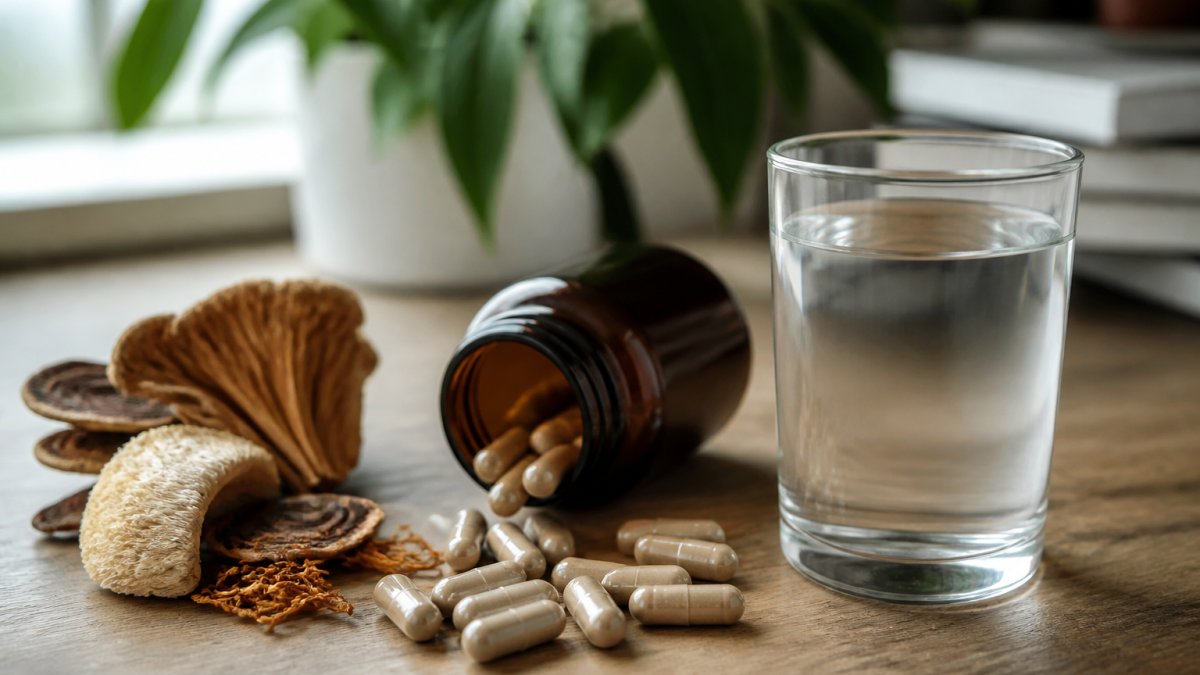
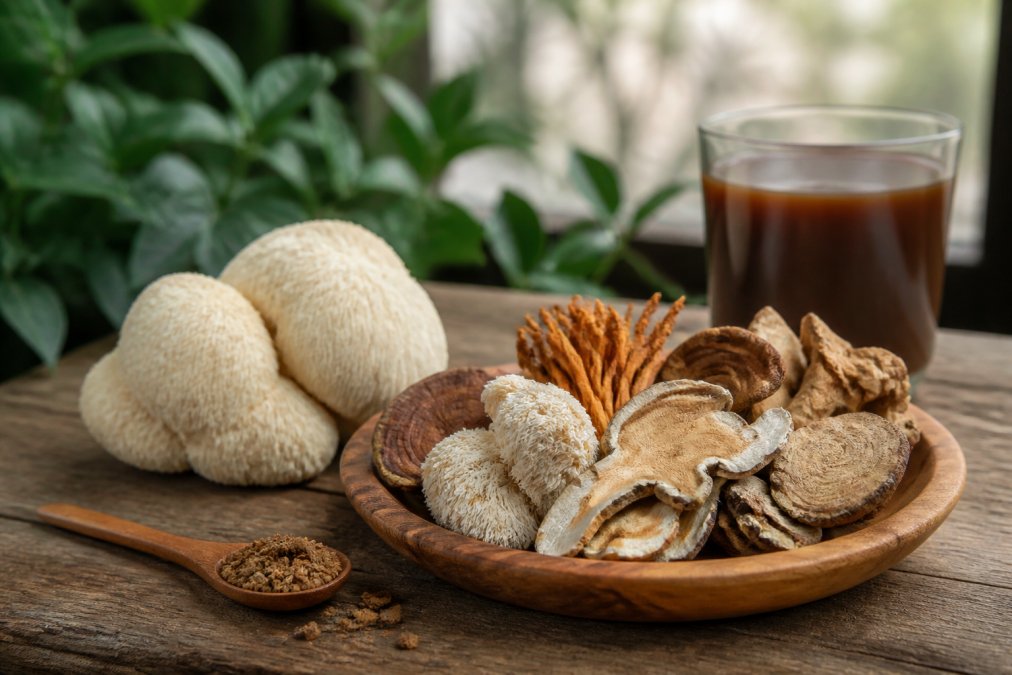
Mushroom-infused electrolytes represent a significant evolution in hydration science. Functional mushrooms like cordyceps, reishi, and lion's mane contain bioactive compounds that support cellular energy production and reduce inflammation, benefits that standard electrolyte powders simply don't provide.
Cordyceps mushrooms have been used for centuries in traditional medicine to support endurance and reduce fatigue. Cordyceps mushrooms have been used for centuries in traditional medicine to support endurance and reduce fatigue.
Best Electrolyte Powder for Keto Without Sweeteners
For individuals following keto or managing blood glucose carefully, commercial electrolyte powders can present a problem: they may contain sweeteners that can trigger cravings or, in some cases, cause metabolic disruption. An electrolyte powder for keto without sweeteners should maintain a low glycemic index while delivering the minerals your body needs.

Low Glycemic Index and Blood Glucose Management
A low glycemic index (GI) means the powder doesn't cause rapid blood glucose elevation. For keto practitioners, this is non-negotiable, any electrolyte powder that spikes insulin response undermines the metabolic state you've worked to achieve. Unflavored electrolyte powders can maintain a low GI because they rely on mineral salts rather than sweetening agents.
Palatability Without Artificial Flavoring
The challenge with unflavored electrolyte powders is palatability, many people find the taste of pure mineral salts unpleasant. However, this can be addressed through smart preparation. Adding a squeeze of fresh lemon or lime juice transforms unflavored electrolyte powders into a refreshing drink without introducing sweeteners or additives.
Natural Flavoring Alternatives and Third-Party Testing
Natural flavoring doesn't have a standardized definition in the industry, which is why third-party testing becomes essential. When you see "natural flavoring" on a label, you have no way of knowing what's actually in the powder unless an independent lab has verified the contents.
DIY Electrolyte Recipes for Clean Hydration
Creating your own electrolyte powder gives you complete control over ingredients and allows you to customize mineral ratios for your specific needs.
Basic DIY Electrolyte Recipe:
- 1/4 teaspoon sea salt (sodium chloride) - provides ~600mg sodium
- 1/8 teaspoon potassium citrate powder - provides ~200mg potassium
- 1/8 teaspoon magnesium malate powder - provides ~100mg magnesium
- 1 liter filtered water
- Optional: fresh lemon juice or herbal tea for flavor
Keto-Specific DIY Formula:
- 1/4 teaspoon sea salt
- 1/8 teaspoon potassium citrate
- 1/8 teaspoon magnesium malate
- 1 teaspoon MCT oil (optional, for sustained energy)
- 1 liter filtered water
- Fresh lime juice
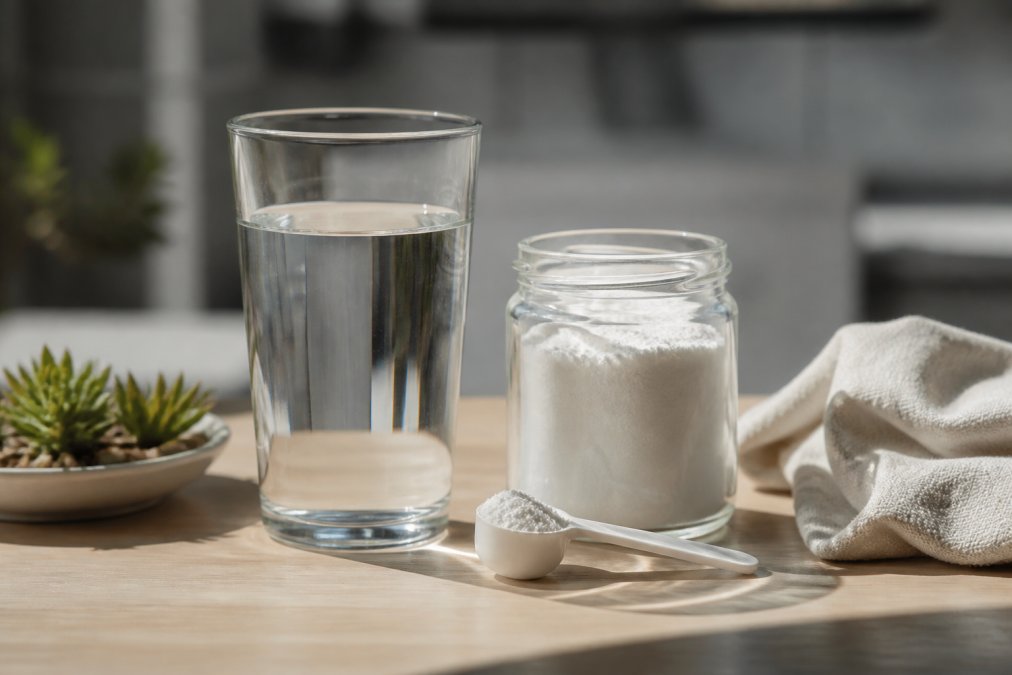
DIY recipes require accurate measurement tools for reliable results.
Hydration Science: Water vs. Electrolyte Solutions
Plain water is necessary but insufficient for serious hydration support. When you drink only water, it dilutes your blood sodium concentration, triggering your kidneys to excrete more fluid. This is why athletes who drink only water during long events sometimes experience hyponatremia, dangerously low blood sodium, despite consuming adequate fluid.
Frequently Asked Questions
What electrolyte drink mix doesn't contain artificial sweetener?
Electrolyte powders without artificial sweeteners use natural alternatives like stevia, monk fruit, or no sweetening at all. Look for labels explicitly stating 'no sucralose,' 'no aspartame,' and 'no acesulfame K.' Some brands use unflavored formulas that rely solely on sodium chloride, potassium citrate, and magnesium malate for taste and function. Check the ingredient list for clean label certification or third-party testing to verify sweetener claims.
Are there electrolyte powders that are completely sweetener-free?
Yes. Unflavored electrolyte powders contain only essential minerals without any sweetening agents. These options provide cellular hydration through sodium, potassium, and magnesium without added sugars or artificial additives. While palatability is lower than flavored versions, many athletes and health-conscious users prefer this approach for blood glucose management and gut microbiome health. Mushroom-infused formulas can add complexity to unflavored options without relying on sweeteners.
Why should I avoid sucralose and erythritol in electrolyte powders?
Sucralose and erythritol can negatively affect gut microbiome health and may trigger digestive discomfort in sensitive individuals. Sucralose has been shown to alter beneficial bacteria, potentially impacting hydration status and nutrient absorption. Erythritol, while lower-calorie, can cause bloating and osmotic effects that counteract the rehydration benefits of electrolyte solutions. For those managing blood glucose or following keto diets, avoiding these sugar alcohols supports more stable insulin response and sustained energy.
How do I know if an electrolyte powder is truly clean and won't damage my gut microbiome?
Check for third-party testing certifications from independent labs verifying ingredient purity and sweetener absence. Look for non-GMO and clean label certifications. Review the complete ingredient list for hidden additives, artificial flavoring, and sugar alcohols. Brands using transparent sourcing and functional ingredients like mushroom extracts typically prioritize microbiome health. Start with small servings to assess individual tolerance, as electrolyte concentration and osmolarity affect how your system responds.