 ultimate-guide
Choosing the Right Hydration Strategy for Summer Sports
Table of Contents
- Why Summer Sports Demand a Personalized Hydration Strategy
- How to Calculate Sweat Rate Before Your Next Session
- The 4-2-1 Rule: A Simple Pre-Exercise Hydration Framework
- Signs of Dehydration in Athletes: What to Watch For
- When to Choose a Hydrate Energy Drink Over Plain Water
- How Humidity and Heat Reshape Your Fluid Replacement Plan
- Hydration and Cognitive Performance: The Mental Edge You're Missing
- Conclusion
- Frequently Asked Questions
Last Updated: September 14, 2026
Why Summer Sports Demand a Personalized Hydration Strategy
Choosing the right hydration strategy for summer sports is less about drinking more water and more about replacing what you actually lose. A hydration strategy is a planned schedule of fluid and electrolyte intake before, during, and after activity, matched to your sweat rate, sport, and environment.
Here's the uncomfortable truth: the "just drink water" advice most athletes follow was never designed for 90-degree afternoons. When you sweat heavily, you lose sodium and other electrolytes along with fluid, and plain water alone can't replace them. At Hydrate Heroes, we built our entire formula around this gap. The American College of Sports Medicine position stand on exercise and fluid replacement has long noted that individual sweat and sodium losses vary widely between athletes, which is exactly why a one-size-fits-all approach fails.
Below, we'll break down how to calculate your personal sweat rate, what signs of dehydration in athletes to watch for, and when a hydrate energy drink beats plain water.
How to Calculate Sweat Rate Before Your Next Session
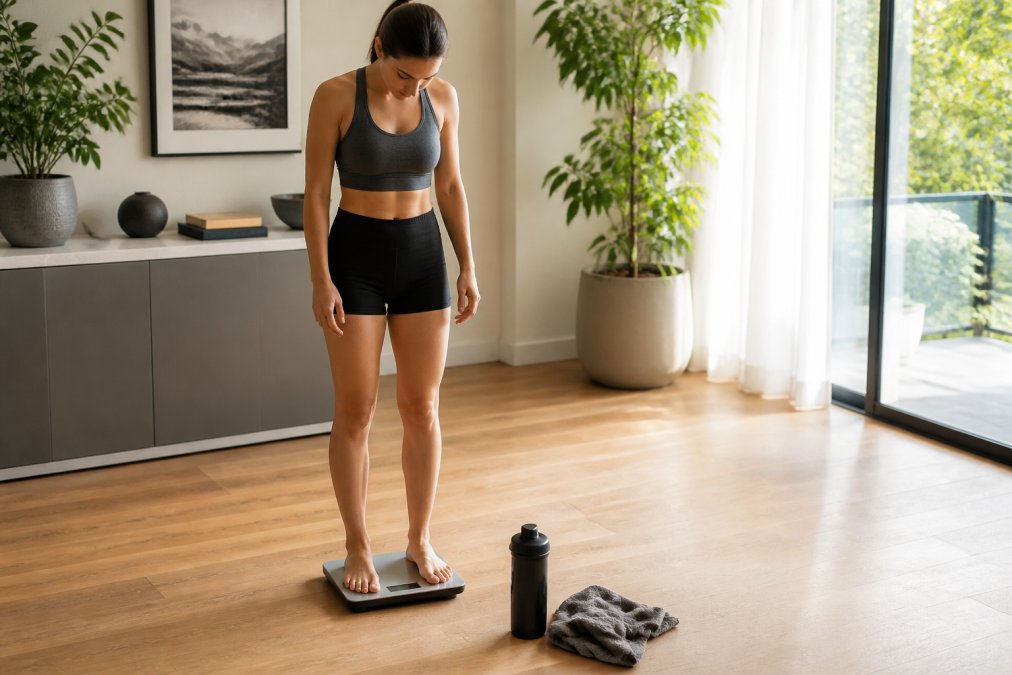
Your sweat rate is the fluid you lose per hour of exercise. Calculating it takes one workout and a bathroom scale:
- Weigh yourself nude before exercise and record the number.
- Exercise for one hour at your typical intensity, tracking exactly how much fluid you drink in ounces.
- Weigh yourself nude again immediately after, towel-dried.
- Subtract your post-workout weight from your pre-workout weight.
- Add the ounces of fluid you drank to that difference.
The result is your approximate hourly sweat loss. Don't test on a cool morning and assume it holds for a hot afternoon, sweat rate climbs with heat, humidity, and intensity.
The 4-2-1 Rule: A Simple Pre-Exercise Hydration Framework
The 4-2-1 rule is a pre-hydration schedule: roughly 4 milliliters per pound of body weight four hours before exercise, 2 milliliters per pound two hours out, and 1 milliliter per pound about 15 minutes before you start. Adjust it based on your sweat rate.
Spreading fluid across several hours lets your body absorb it rather than dumping a large volume at once, topping off plasma volume before you sweat.
For a 150-pound athlete, that's roughly 600 milliliters four hours out, 300 two hours out, and 150 just before. Heavy, salty sweaters should lean toward the higher end and add electrolytes, since plain water without sodium can pass through without being retained.
Where the 4-2-1 Rule Breaks Down
The rule assumes a moderate sweat rate and sodium concentration, and both fail in a real summer season. A 150-pound athlete losing 1.5 liters per hour has spent most of the 4-2-1 pre-load before the first whistle, and a salty sweater losing 1,000 milligrams of sodium per liter is behind before the first cup of water.
Two adjustments close the gap:
- Scale the pre-load to your measured sweat rate. If your sweat test shows 1.5 liters per hour, your four-hour pre-load should sit closer to 6 milliliters per pound, not 4. The 4-2-1 rule is a floor, not a ceiling.
- Add sodium to the pre-load, not just the during-exercise fluid. A common pattern is 300 to 600 milligrams of sodium in the two-hour pre-load for salty sweaters. Sodium helps the fluid you drink stay in the vascular space instead of routing straight to the bladder.
A Pre-Exercise Timeline You Can Actually Use
| Time before activity | Fluid target | Sodium target | Notes |
|---|---|---|---|
| 4 hours out | 4-6 mL per lb body weight | 0-300 mg | Largest volume; gives kidneys time to regulate |
| 2 hours out | 2-3 mL per lb | 300-600 mg for salty sweaters | Last chance to correct a deficit |
| 15 minutes out | 1 mL per lb | 0-200 mg | Top-off only; avoid a full stomach |
What to Drink During the Pre-Load
Plain water is fine for sessions under an hour in mild conditions. For anything longer, hotter, or saltier, the pre-load fluid should carry sodium. A homemade option is 16 ounces of water with a quarter teaspoon of table salt and a squeeze of lemon, near 500 milligrams of sodium. Commercial electrolyte powders are more convenient and usually add potassium and magnesium.
Avoid high-sugar drinks in the pre-load window, sugar slows gastric emptying, the opposite of what you want when topping off plasma volume. Save carbohydrate for during and after activity.
How to Know the Pre-Load Worked
Two checks tell you whether your pre-exercise hydration landed:
- Urine color. Pale straw is the target. Clear urine usually means you overshot and diluted your sodium.
- First sweat. If you're sweating freely within the first 10 minutes of activity, your plasma volume is topped off. If you feel dry and overheated early, you started behind.
Run the timeline for two or three sessions, note how you feel and perform, and adjust volume and sodium. The 4-2-1 rule gives you the schedule's shape; your sweat test gives you the numbers.
Signs of Dehydration in Athletes: What to Watch For
The early signs of dehydration in athletes arrive gradually: thirst, dark yellow urine, and a fading urge to keep pushing. By the time thirst feels urgent, you're already behind.
Watch for these signals, roughly in order of severity:
- Early: thirst, dark urine, dry mouth, and a slight dip in energy
- Moderate: headache, dizziness, muscle cramps, and reduced output
- Serious: nausea, chills, rapid heartbeat, and confusion
A urine color chart is a practical daily check: pale straw means well hydrated, amber or darker means drink now. Thirst is a lagging indicator, so scheduled drinking beats waiting to feel parched.
The Signs Competitors Skip: Sport-Specific Cues
Dehydration shows up differently depending on what you're asking your body to do. These are the cues athletes and coaches notice first, mapped to the two broad categories of summer sport.
High-intensity, short-burst sports (sprinting, basketball, tennis, lacrosse, field hockey). These rely on repeated maximal efforts with short recovery windows. Dehydration shows up as:
- A measurable drop in first-step quickness and jump height, often before the athlete feels thirsty
- Slower recovery between points, plays, or reps, the athlete looks gassed earlier than usual
- Losing the ability to track the ball or the opponent cleanly in the final quarter
Endurance sports (soccer, distance running, cycling, triathlon). These rely on sustained output and thermoregulation over 60 to 180 minutes. Dehydration shows up as:
- A rising heart rate at a pace that felt easy an hour earlier (cardiac drift)
- A drop in power or pace that doesn't respond to a short rest
- Goosebumps or chills in the heat, a serious sign that thermoregulation is failing
Why Humidity Makes the Signs Sneak Up Faster
In dry heat, sweat evaporates quickly and you can see how much you're losing. In humid air, sweat pools and drips off without evaporating efficiently, so your body keeps producing it while cooling you less effectively. You can lose a liter or more per hour and barely notice.
That's why the standard cues, visible sweat, thirst, dark urine, are unreliable in humid summer conditions. The more dependable signals in humidity are:
- Heart rate drift. If your heart rate at a fixed pace climbs 5 to 10 beats per minute over an hour, fluid loss is the likely cause.
- Body-weight change. Weighing in and out of a session is the only objective measure. A 2 percent drop in body weight is the threshold most practitioners use for meaningful performance loss (9 Facts About Hydration & Electrolytes).
- Skin turgor. Pinch the skin on the back of your hand. If it stays tented instead of snapping back, you're behind on fluid.
A Simple Self-Monitoring Protocol
You don't need lab equipment to catch dehydration early. A three-step check covers most of the risk:
- Pre-session: Urine color and body weight. Note both.
- Mid-session: Heart rate at a known pace, plus a quick self-check on focus and coordination.
- Post-session: Body weight again. Every pound lost equals roughly 16 ounces of fluid you need to replace before the next session.
When to Choose a Hydrate Energy Drink Over Plain Water
A hydrate energy drink earns its place when your session runs long or hard enough that you're losing meaningful sodium, not just fluid. Under an hour at low intensity, water is fine; past that, or in serious heat, electrolytes matter.
The dividing line comes down to three factors: duration, intensity, and how salty your sweat is. If you finish a workout with white streaks on your shirt or gear, you're a salty sweater, and water alone will leave you feeling flat. Managing these electrolyte losses becomes significantly easier when you pair your hydration plan with breathable hot weather athletic gear designed to facilitate efficient cooling.
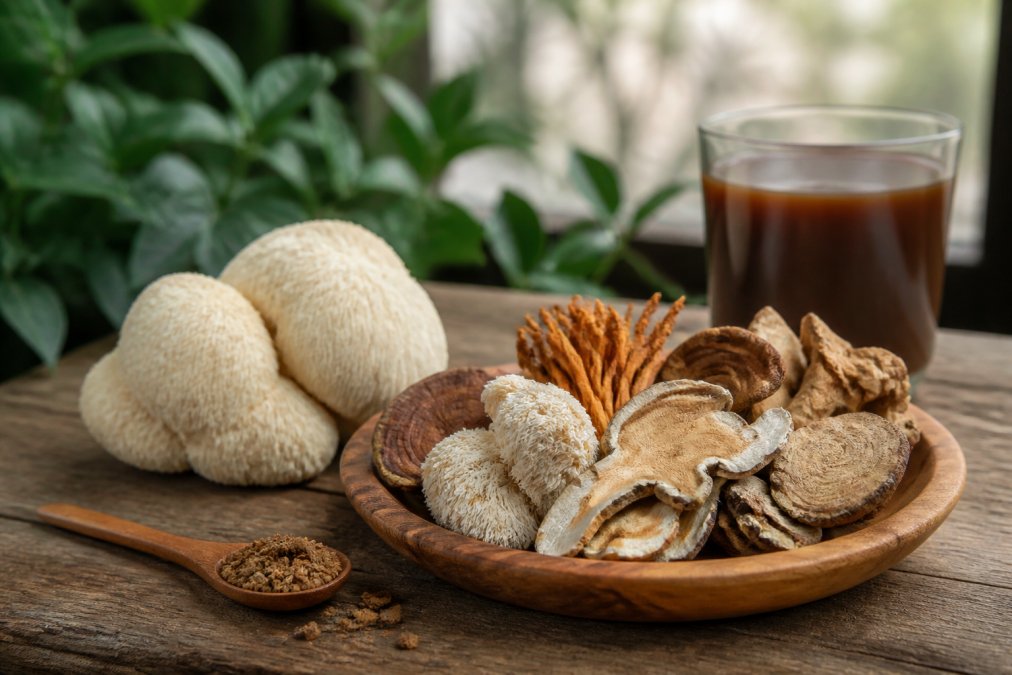
This is where Hydrate Heroes fits. Our plant-based powder combines six functional mushrooms with premium electrolytes, including our Balanced 88 Gold Sodium™, and delivers zero sugar with only five calories per serving. We exclude sucralose and erythritol, so you get electrolyte balance without the gut issues some athletes notice from sugar alcohols.
How Humidity and Heat Reshape Your Fluid Replacement Plan
Humidity changes how your body handles fluid, and most athletes underestimate it. In humid air, sweat doesn't evaporate efficiently, so your body keeps producing it, ramping up fluid and sodium loss while cooling you less effectively (Sweating Rate and Sweat Sodium Concentration in Athletes).
Your fluid replacement plan must scale up in humidity even when the temperature looks moderate. A 75-degree day at high humidity can drain you faster than a dry 85-degree day, because thermoregulation fights both heat and stalled evaporation. Cardiovascular strain rises as plasma volume drops, and performance follows.
Two adjustments help:
- Increase your hourly fluid target by roughly a quarter to a third when humidity climbs.
- Add sodium to your fluid, since you're losing more of it and water alone dilutes what's left in your system.
Heat acclimatization over one to two weeks also improves how efficiently you sweat and retain sodium, but only with consistent exposure.
Hydration and Cognitive Performance: The Mental Edge You're Missing
Mild dehydration degrades cognitive performance before it touches your muscles. Reaction time, focus, and decision-making slip with even a small fluid deficit, critical in sports demanding quick judgment.
When plasma volume drops, your brain gets less oxygen and glucose, and mental sharpness fades. Coaches often call it "losing focus" late in a game when the real cause is a hydration deficit.
The same principle applies outside sport: caffeine-free electrolyte hydration supports sustained focus without the crash, which is why we built Hydrate Heroes as a clean, sugar-free option for mental clarity as well as physical performance. Staying ahead of fluid loss is one of the cheapest performance gains available.
Conclusion
The athletes who struggle most in summer heat aren't the ones who forget to drink; they're the ones using a generic plan for a personal problem. Calculate your sweat rate, respect the humidity, and match fluid and sodium to what you actually lose.
Hydrate Heroes was built for exactly that. Our formula pairs six functional mushrooms with Balanced 88 Gold Sodium™, keeps sugar at zero, and lands at just five calories per serving, with no sucralose or erythritol. Get started with Hydrate Heroes and give your summer training a hydration plan that actually fits your body.
Frequently Asked Questions
What is the 4-2-1 rule for athlete hydration?
The 4-2-1 rule means drinking 4 milliliters of fluid per pound of body weight two hours before exercise, 2 milliliters per pound 15 minutes before, and 1 milliliter per pound every 15 minutes during activity. For a 150-pound athlete, that's about 600 milliliters two hours out, 300 milliliters right before, and 150 milliliters every 15 minutes. This provides a structured pre-hydration and during-exercise fluid intake schedule.
How much water should an athlete drink during summer training?
The general guideline is 0.4 to 0.8 liters per hour, but individual needs vary widely based on sweat rate, intensity, and heat. Use the sweat rate calculation (weigh before and after a one-hour session, add fluid consumed, divide by hours) to get your personal number. In hot, humid conditions, aim for the higher end and include electrolytes to replace sodium lost through sweat.
What are the signs of dehydration in athletes?
Early signs include thirst, dark yellow urine, dry mouth, and fatigue. As dehydration progresses, you may notice dizziness, headache, muscle cramps, and reduced performance. Severe dehydration can lead to heat exhaustion, characterized by nausea, weakness, and confusion. Monitoring urine color with a chart and tracking body weight loss after training helps catch dehydration before it affects performance.
Why are electrolytes important for summer sports performance?
Electrolytes like sodium, potassium, and magnesium regulate fluid balance, muscle contractions, and nerve function. When you sweat heavily, you lose sodium, which can lead to hyponatremia if you replace fluids with plain water alone. A carbohydrate-electrolyte solution or a zero-sugar electrolyte powder helps maintain sodium concentration, supports plasma volume, and reduces cardiovascular strain during endurance training in the heat.