 ultimate-guide
Benefits of Lion's Mane for Exercise Recovery
Table of Contents
- What Lion's Mane Does for Recovery (and What It Doesn't)
- How Lion's Mane Reduces Muscle Soreness and Inflammation
- How to Use Lion's Mane for Muscle Soreness
- Functional Mushroom Electrolyte Powder Benefits for Athletes
- Stacking Lion's Mane With Other Adaptogens for Recovery
- Dosage, Safety, and What to Avoid
- Frequently Asked Questions
Last Updated: September 15, 2026
What Lion's Mane Does for Recovery (and What It Doesn't)
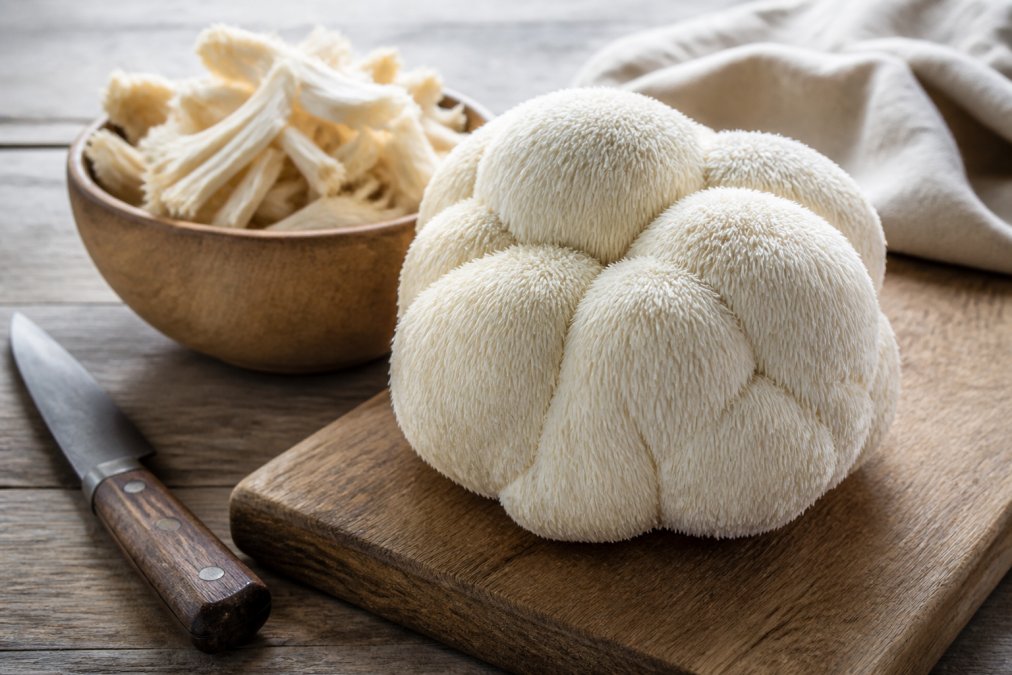
Lion's mane is a culinary and medicinal mushroom, known scientifically as Hericium erinaceus, that shows promise for nerve repair and inflammation control, but it is not a proven muscle-building supplement. The benefits of lion's mane for exercise recovery center on the nervous system, not on adding size.
Here is the honest version: lion's mane will not replace protein, sleep, or a sensible training plan. What it may do is support the nerve signaling and inflammatory balance that let your body bounce back between sessions. At Hydrate Heroes, we study functional mushrooms closely.
Two compounds matter most. Hericenones sit in the fruiting body, while erinacines concentrate in the mycelium. Both are the subject of ongoing study for how they interact with nerve tissue.
"The research on Hericium erinaceus is still early, and most human trials are small. Anyone claiming certainty about recovery outcomes is ahead of the evidence." -- A commonly repeated caution in peer-reviewed mushroom reviews (2024)
That caution is worth keeping in mind. The mechanism is plausible, the early data is encouraging, and the marketing has run well ahead of both.
The NGF Connection to Muscle Repair
Nerve growth factor (NGF) is a protein your body uses to maintain and repair nerve cells. Muscles depend on nerve input to contract, coordinate, and adapt, so anything that supports nerve health can indirectly support movement quality and recovery.
Lion's mane contains compounds that, in laboratory and animal studies, appear to stimulate NGF synthesis. This is the core of the mechanism of action in muscle repair: better nerve signaling means cleaner muscle activation, which means less compensatory strain and less residual soreness.
A common mistake is expecting this to feel like a stimulant. It does not. The effect is closer to a slow rebuild than a jolt.
How Lion's Mane Reduces Muscle Soreness and Inflammation
Lion's mane may reduce soreness by lowering oxidative stress and calming inflammatory signaling, not by numbing pain. Polysaccharides in the mushroom are the main anti-inflammatory actors here.
Delayed onset muscle soreness, the ache that peaks a day or two after hard training, is driven by micro-damage and the inflammatory response that follows. Compounds that modulate that response can shorten the window. Many athletes report that lion's mane makes the second day after a hard session feel less punishing, though individual results vary widely.
The effect is dose-dependent and cumulative. You will not feel it after one scoop.
Recovery Timelines: What to Expect Week by Week
Recovery timelines vary by person, training load, and sleep quality, but a common pattern emerges for consistent users. Most people who take lion's mane daily notice nothing in the first few days, then subtle shifts in how they feel between sessions.
| Timeframe | What Most Users Report | What to Watch |
|---|---|---|
| Week 1 | Little to no noticeable change | Sleep quality, hydration |
| Weeks 2-3 | Slightly less lingering soreness | Consistency of dosing |
| Weeks 4-6 | Better perceived recovery between sessions | Training load |
| Weeks 6-8+ | Full cumulative effect for most users | Plateaus, adjust dose |
The honest takeaway: give it six to eight weeks before you judge it.
How to Use Lion's Mane for Muscle Soreness
To use lion's mane for muscle soreness, take a consistent daily dose with or without food, and stack it with the recovery inputs that actually drive tissue repair: protein, electrolytes, and sleep. Timing matters less than consistency, but the stack matters more than most guides admit.
The Recovery Stack Most Guides Miss
Lion's mane is a supporting player, not the headliner. The unique angle here is that its nerve-focused action pairs well with three other inputs that address different recovery levers at the same time:
| Input | What It Does | How to Pair It |
|---|---|---|
| Lion's mane | Supports NGF signaling and modulates inflammatory response | Daily dose, same time each day |
| Protein | Provides amino acids for muscle protein synthesis | 20-40 g within a few hours post-training |
| Electrolytes | Replaces sodium, potassium, and magnesium lost in sweat | During and after sessions, especially in heat |
| Sleep | The single largest driver of tissue repair and hormone recovery | 7-9 hours, consistent schedule |
A common pattern is to take lion's mane in the morning with your first meal, then use an electrolyte-and-protein combination in the post-training window.
A Practical Daily Routine
- Choose a product with a clear label. Look for fruiting body or dual-extract, and a disclosed beta-glucan percentage. If the label does not say what part of the mushroom you are getting, assume filler.
- Take your dose at the same time each day. Morning with food is the easiest habit to keep. Skipping days resets the cumulative effect.
- Hit your protein target. Most active adults do well in the 1.6-2.2 g per kilogram of body weight range per day, spread across three to four meals (Dietary protein intake and human health). Lion's mane does not replace this.
- Replace electrolytes during and after hard or hot sessions. Sodium is the main mineral lost in sweat; replacing it as you lose it keeps performance steadier and reduces the crash that follows.
- Track soreness for four weeks. Use a simple 1-10 morning log. Do not change dose or training load during this window.
- Adjust only after four weeks of consistency. If you see no shift, the issue is more likely sleep, protein, or training load than the mushroom.

What to Fix Before You Add Anything
What most guides miss is that lion's mane is a supporting player. If your sleep is poor and your hydration is off, no mushroom will rescue your recovery. Fix the basics first:
- Sleep debt suppresses growth hormone release and slows tissue repair more than any supplement can offset.
- Chronic under-hydration reduces blood flow to working tissue and blunts the delivery of repair nutrients.
- Protein shortfalls leave muscle protein synthesis running below its potential regardless of what else you take.
Stacking With Other Adaptogens
Once you have four weeks of lion's mane alone under your belt, you can layer in one additional adaptogen to address a second recovery lever:
- Reishi for evening calm and cortisol regulation, elevated cortisol slows tissue repair, so keeping it in a normal range supports recovery.
- Cordyceps for daytime oxygen use and exertion support, which complements lion's mane's nerve-focused action.
A word of caution: more is not better. Stacking four or five mushrooms at once makes it impossible to tell what is working. Start with lion's mane alone for a month, then add one at a time.
Functional Mushroom Electrolyte Powder Benefits for Athletes
Functional mushroom electrolyte powder benefits come down to combining two things athletes actually need: mineral replenishment and adaptogenic support. Electrolytes replace what you lose in sweat; functional mushrooms add a layer of nervous-system and inflammatory support.
Hydrate Heroes offers a revolutionary approach to hydration with the only powder on the market that combines six functional mushrooms with premium electrolytes.
Stacking Lion's Mane With Other Adaptogens for Recovery
Dosage, Safety, and What to Avoid
Frequently Asked Questions
Does lion's mane help with muscle recovery?
Research suggests lion's mane may support recovery through two pathways: reducing oxidative stress and inflammation that contribute to delayed onset muscle soreness, and stimulating nerve growth factor (NGF), which helps repair the neural components of muscle tissue after intense training. It is not a painkiller, so expect gradual improvement over days and weeks rather than immediate relief. Athletes typically notice the biggest difference in how quickly they bounce back between sessions.
When is the best time to take lion's mane for workouts?
Most people take lion's mane 30 to 60 minutes before training for focus and mind-muscle connection, or immediately after for recovery support. Either timing works because the compounds accumulate in your system over time. Consistency matters more than precise timing. If you prefer a functional mushroom electrolyte powder, mixing it into your post-workout hydration is a simple way to combine replenishment with recovery support.
Are there any side effects of taking lion's mane for athletes?
Lion's mane is generally well tolerated. Some people report mild digestive upset or drowsiness when starting. Because it can influence nerve growth factor, anyone taking blood thinners, immunosuppressants, or medications for neurological conditions should talk to a doctor first. Start with a lower dose for the first week to see how your body responds before increasing.
Can functional mushrooms replace traditional electrolyte drinks?
No. Functional mushrooms and electrolytes serve different roles. Mushrooms like lion's mane support cognitive function, inflammation balance, and nerve repair. Electrolytes replace sodium, potassium, and magnesium lost through sweat. A formula that combines both, like a functional mushroom electrolyte powder, covers hydration and recovery in one step. Plain mushroom powder alone will not replace the electrolytes you lose during long or intense sessions.
Recovery is not one product, it is a system, and most athletes get the hydration piece wrong before anything else. Hydrate Heroes was built to fix that: six functional mushrooms, premium electrolytes, Balanced 88 Gold Sodium™, zero sugar, and just five calories per serving, with no sucralose or erythritol. If you want a cleaner way to support both hydration and recovery, start with Hydrate Heroes and give your body the tools it actually uses to rebuild.